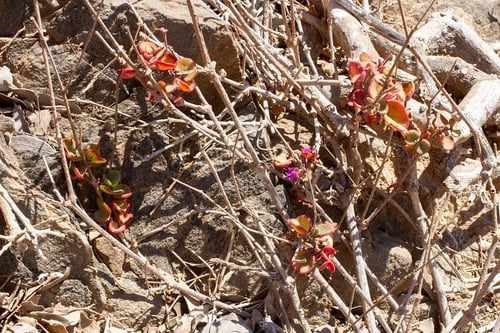
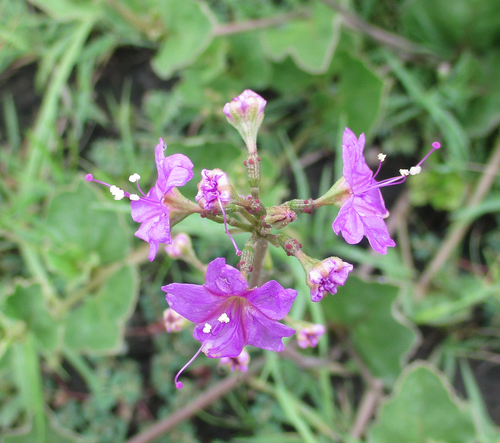
Commicarpus plumbagineus
(Cav.) Standl.
iNaturalist· cc-by
(c) Wynand Uys, some rights reserved (CC BY), uploaded by Wynand Uys
iNaturalist· cc-by
(c) Robert Taylor, some rights reserved (CC BY)
Description
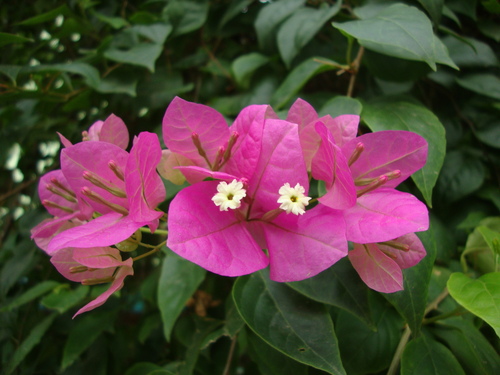
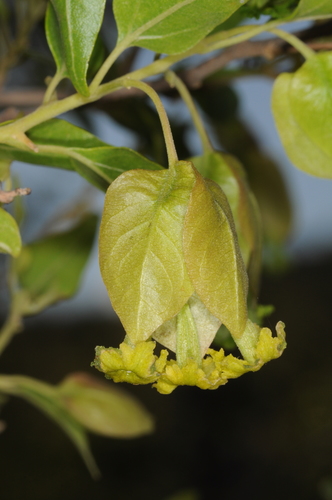
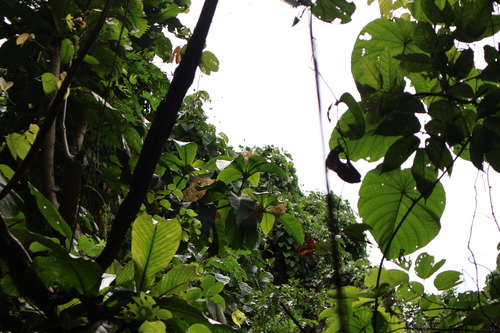
A herb. It is a low spreading vine. It is slender and wide branching. It can grow several metres long. The leaves are in pairs. The blade is triangle shaped. It has a wavy edge. They are 5 cm long by 4 cm wide. The flowering axis is long and slender. They are in clusters at the ends of the branches. The flowers are white and funnel shaped. The fruit have wart like sticky glands along the side.
Edible Uses
The leaves and roots are eaten.
Medicinal Uses
The roots and leaves are expectorant and, in large doses, emetic. They are widely used to treat asthma. A decoction of the leaves is used in the treatment of jaundice. The leaves are boiled and made into poultices for application to ulcers and Guinea worm sores. The ground leaves are applied to burns. The crushed leaves are rubbed on swollen glands. A leaf decoction, combined with the ash of burned stems is applied to wounds. The crushed roots are applied to treat yaws, and a poultice from the roots is used to treat leprosy. A decoction of the whole plant is used as laxative.
Distribution
A tropical plant. It grows on the edges of forest and near water. In Zimbabwe it grows up to 1,800 m above sea level.
Where It Grows
Africa, Arabia, Botswana, East Africa, Eswatini, Europe, Mediterranean, Middle East, Mozambique, Palestine, Rwanda, Southern Africa, South America, Spain, Swaziland, Tanzania, West Africa, Zambia, Zimbabwe,
Other Uses
An infusion of the whole plant is used as an insecticide, especially to deal with parasites such as lice in humans and against other insects on camels.
Notes
There are about 25 Commicarpus species. They are mostly in the tropics and subtropics.
Synonyms
Also Known As
Cikata-mbuzi, Umunyaanziigirira
References (4)
- Fowler, D. G., 2007, Zambian Plants: Their Vernacular Names and Uses. Kew. p 50
- Jardin, C., 1970, List of Foods Used In Africa, FAO Nutrition Information Document Series No 2.p 69
- Pickering, H., & Roe, E., 2009, Wild Flowers of the Victoria Falls Area. Helen Pickering, London. p 84
- Swaziland's Flora Database http://www.sntc.org.sz/flora