Protea gaguedi
J. F. Gmel.
African white sugarbush
iNaturalist· cc-by-nc
(c) tjeerd, some rights reserved (CC BY-NC), uploaded by tjeerd
iNaturalist· cc-by-sa
(c) Tony Rebelo, some rights reserved (CC BY-SA)
iNaturalist· cc-by-sa
(c) Tony Rebelo, some rights reserved (CC BY-SA)
Summary
Source: WikipediaProtea gaguedi is a species of tree which belongs to the genus Protea.
Description
A stout shrub. It has spreading branches. It can be 5 m high. The leaves are 15 cm long by 2 cm wide. They are leathery. They taper to the base. The heads are rounded at the base. They open widely. They are 5 cm long and 15 cm wide. The bracts are overlapping. They are broad and silky.
Edible Uses
An infusion of the bark is mixed with soup as an appetizer.
Traditional Uses
An infusion of the bark is mixed with soup as an appetizer.
This uses section is brief — help expand it
Distribution
It is a tropical and subtropical plant. It is often on rocky ground.
Where It Grows
Africa, Angola, Botswana, Central Africa, East Africa, Eritrea, Eswatini, Ethiopia, Kenya, Malawi, Mozambique, Namibia, South Africa, Southern Africa, Swaziland, Zambia, Zimbabwe,
Synonyms
Also Known As
African Protea, Isiqalaba, Mubonda, Mumhonda, Musitsuru, Tchissense
References (6)
- Glover et al, 1966b,
- Grivetti, L. E., 1980, Agricultural development: present and potential role of edible wild plants. Part 2: Sub-Saharan Africa, Report to the Department of State Agency for International Development. p 45
- Peters, C. R., O'Brien, E. M., and Drummond, R.B., 1992, Edible Wild plants of Sub-saharan Africa. Kew. p 164
- Roodt, V., 1998, Trees & Shrubs of the Okavango Delta. Medicinal Uses and Nutritional value. The Shell Field Guide Series: Part 1. Shell Botswana. p 196 (As gaugnedi)
- Swaziland's Flora Database http://www.sntc.org.sz/flora
Show all 6 references Hide references
- www.zimbabweflora.co.zw 2011
More from Proteaceae
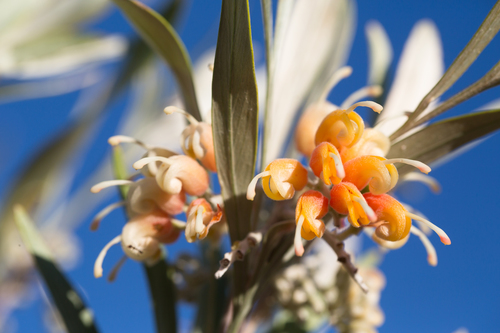
Grevillea refracta
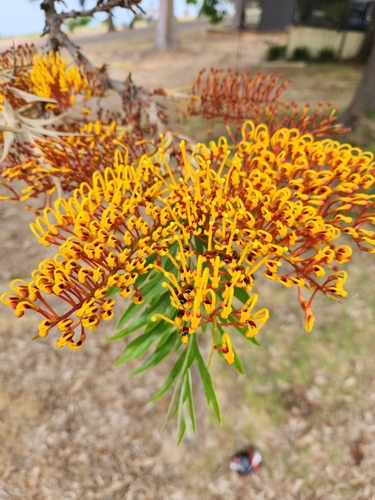
Grevillea robusta
Silky oak
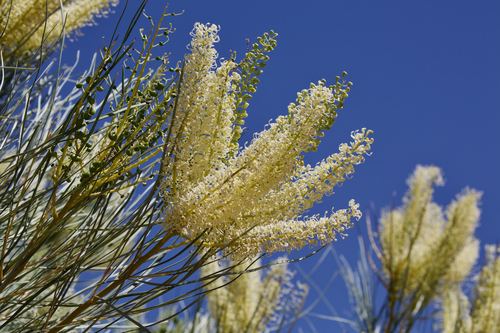
Grevillea stenobotrya
Rattlepod Grevillea, Sandhill Grevillea, Sandhill Spider Flower
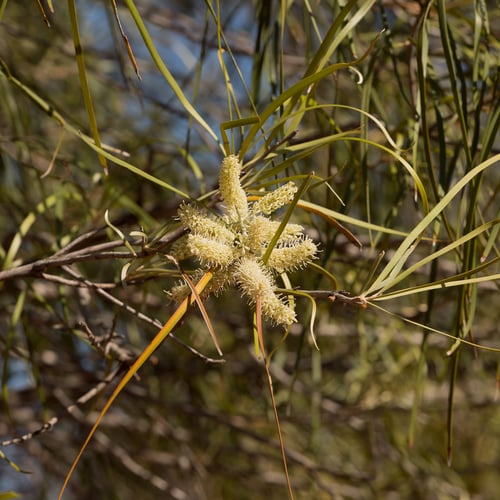
Grevillea striata
Beefwood, Western Beefwood, Silver honeysuckle, Palku, Willer, Arroo-in, Arrongg, Ildeilba, Jildilba, Ildinja, Yinjija, Turrie, Galigali, Bukumara, Dilyarr
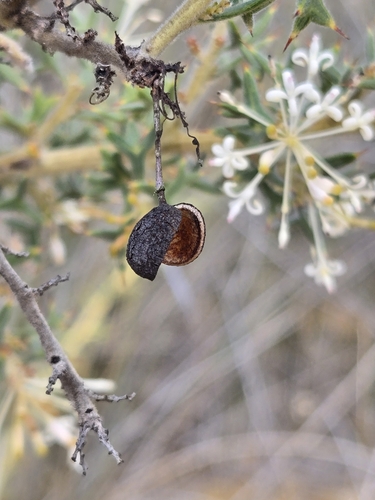
Grevillea vestita
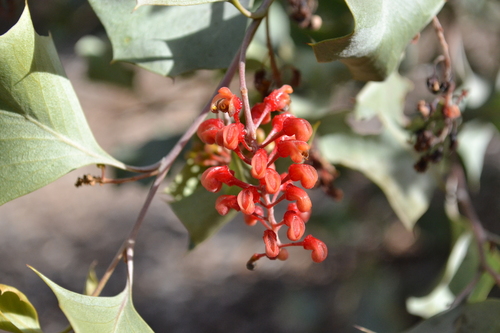
Grevillea wickhamii
Holly-leafed Grevillea, Wickham’s Grevillea