Cymbopogon densiflorus
(Steud.) Stapf,
Lusangusangu
iNaturalist· cc-by-nc
(c) Duncan McKenzie, some rights reserved (CC BY-NC), uploaded by Duncan McKenzie
iNaturalist· cc-by-nc
(c) alice, some rights reserved (CC BY-NC)
iNaturalist· cc-by-nc
(c) alice, some rights reserved (CC BY-NC)
Description
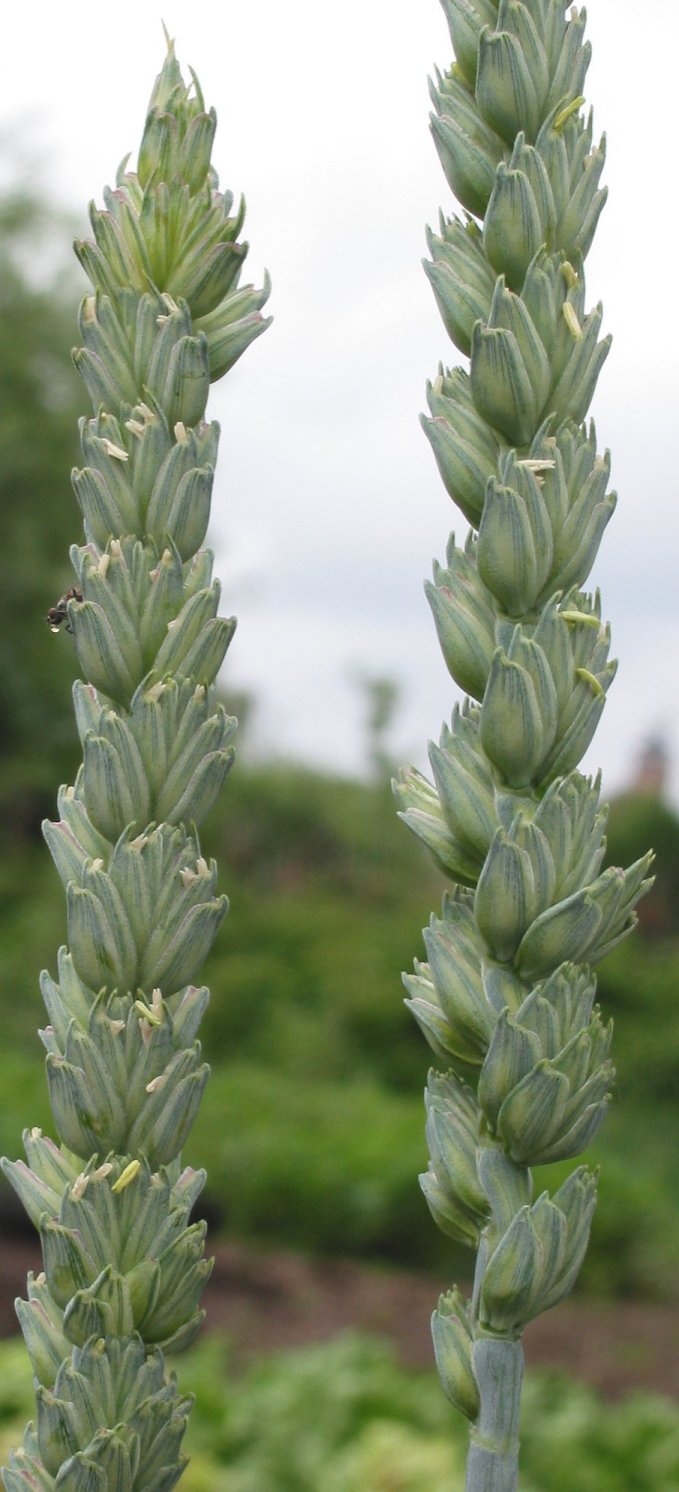
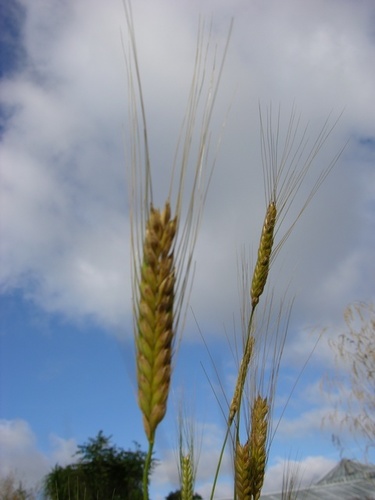
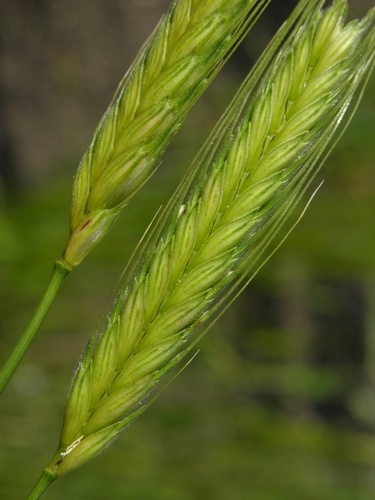
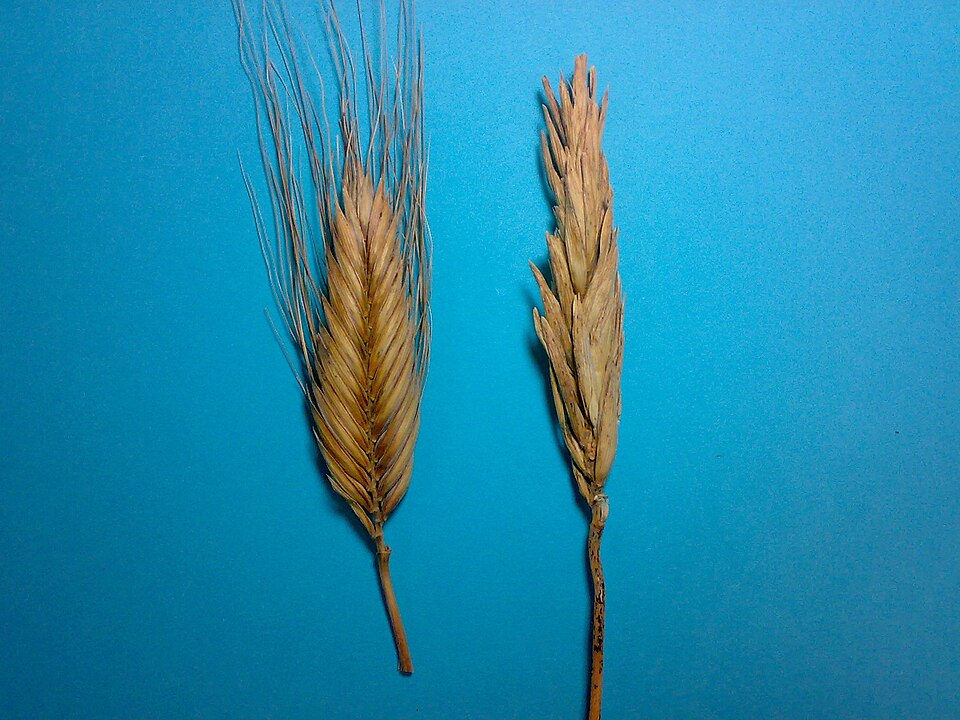
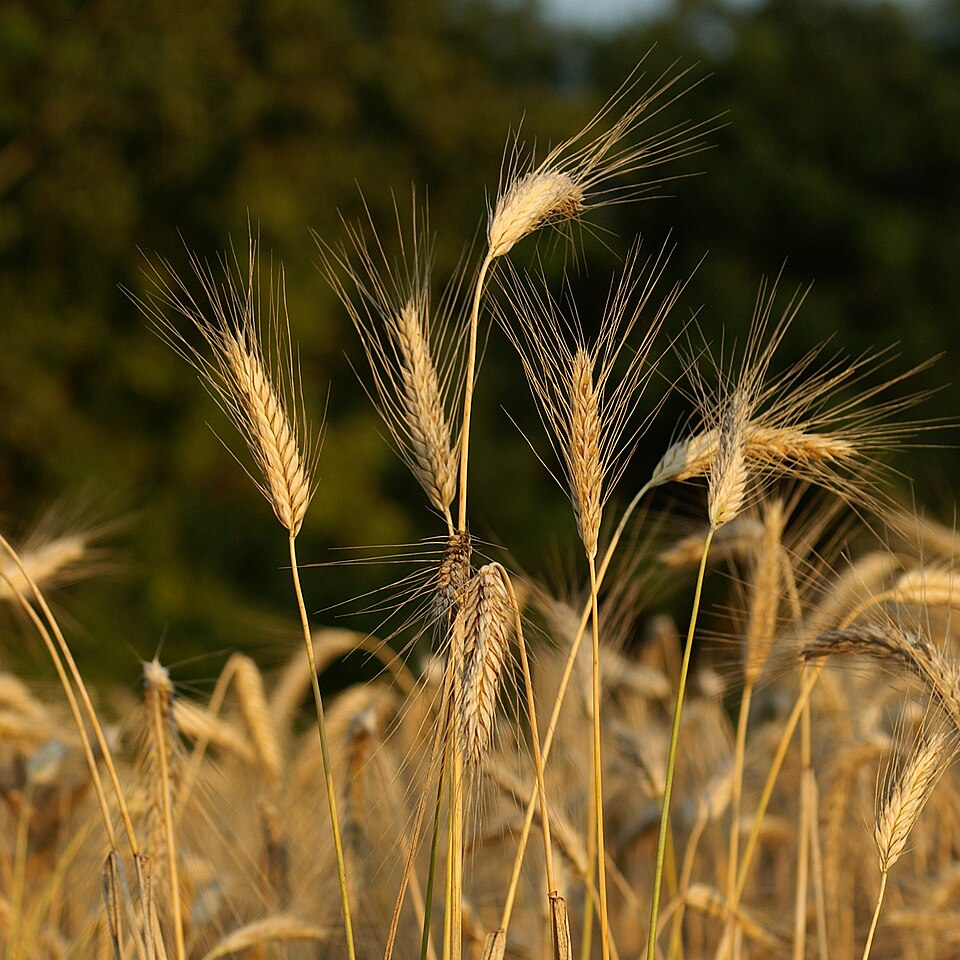
A tufted grass. It grows 1.8 m tall. The leaves are rounded at the base. The leaves are 30 cm long and 2.5 cm wide. The flower panicle is dense and 15-20 cm long by 10 cm wide.
Edible Uses
The flower heads are used to flavor tea or coffee and as a condiment with meat.
Traditional Uses
The flower heads are used to flavour tea or coffee and as a condiment with meat.
This uses section is brief — help expand it
Medicinal Uses
The plant (part not specified) is used as a styptic and a tonic. The crushed leaves make a treatment for rheumatism. The flower-head is smoked in a pipe as a cure for bronchial affections. The plant-sap is taken as a cure for bronchial affections, asthma and to calm fits.i The plant is macerated with Ocimum basilicum (Labiatae) and the compound is taken as a treatment for epilepsy. It is conjectured that any action is due to the camphoraceous volatile oil.
Distribution
It is a tropical plant.
Where It Grows
Africa, Angola, Central Africa, Congo DR, Gabon, Malawi, Zimbabwe,
Cultivation
It can be grown from seed or cuttings of the base.
Propagation
Seed - surface sow or only just cover, sowing the seeds in a nursery seedbed. Prick out the seedlings into individual pots at the 3 - 4 leaf stage and grow on until large enough to plant out. Seed can also be sown in situ, but this often results in heavy weed infestation. Division of established clumps. This is best done annually or they can become too crowded and suffer. The offshoots of this species often fail to establish.
Other Uses
An essentail oil is obtained from the plant. The plant is aromatic and is burnt as an incense. The plant has fetish attributes. In Gabon its inflorescence is burnt in fumigations required in certain rituals, e.g., in making incantations to chase away malign spirits, to cleanse those who have lost their spouse, to rejuvenate and restore the efficiency of a fetish, an amulet or a talisman when the owner has violated a taboo (8). In Tanganyika witch-doctors smoke the flower panicle, either alone or with tobacco, to induce dreams to foretell the future.
Other Information
It is sold in local markets.
Also Known As
Kyangu, Lusangusangu, Luzango
References (3)
- Latham, P., 2004, Useful Plants of Bas-Congo province. Salvation Army & DFID p 105
- Lautenschläger, T., et al, 2018, First large-scale ethnobotanical survey in the province of Uíge, northern Angola. Journal of Ethnobiology and Ethnomedicine (2018) 14:51
- Mawunu, M., et al, 2020, First Survey of the Edible Non-Wood Forest Products Sold in Uige Province, Northern Angola. European Journal of Agriculture and Food Sciences. Vol. 2, No. 6