Rhododendron keysii
Nutt.
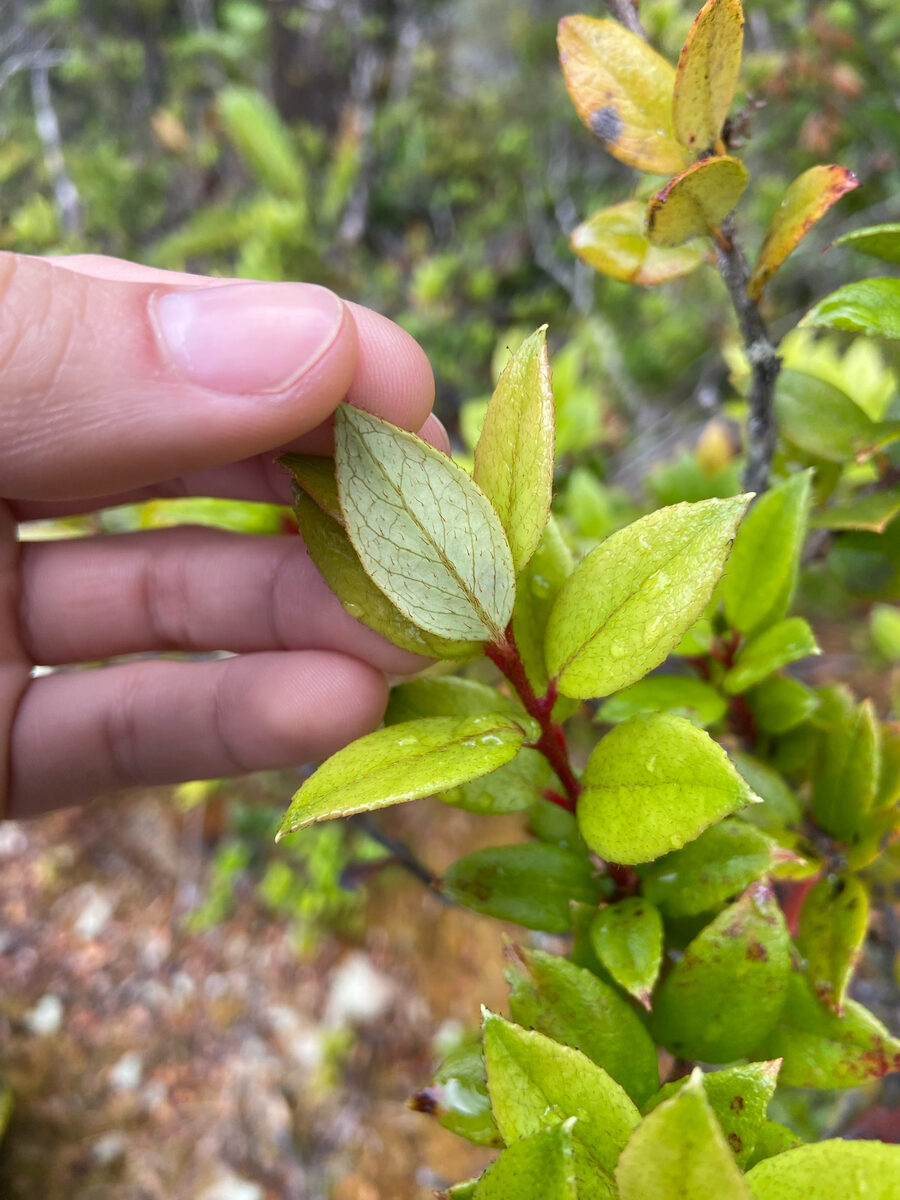
iNaturalist· cc-by-nc
(c) Sangay Wangchuk, some rights reserved (CC BY-NC), uploaded by Sangay Wangchuk
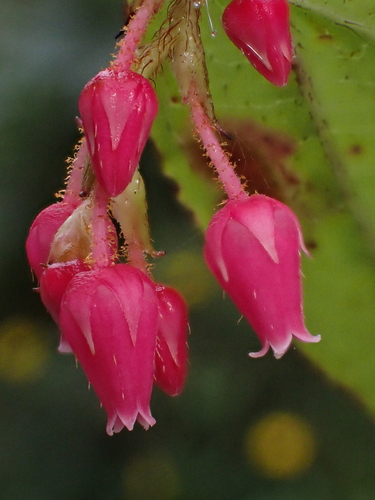
iNaturalist· cc-by-nc
(c) hyeonsoo_kim, some rights reserved (CC BY-NC)
iNaturalist· cc-by-nc
(c) hyeonsoo_kim, some rights reserved (CC BY-NC)
Summary
Source: WikipediaRhododendron keysii (管花杜鹃) is a rhododendron species native to northeastern India, Bhutan, Sikkim, and southern Tibet, where it grows at altitudes of 2,400–4,300 m (7,900–14,100 ft). It is an evergreen shrub that typically grows to 1–4 m (3.3–13.1 ft) in height, with leathery leaves that are lanceolate-elliptic or lanceolate-oblong in shape, and typically 4–8 × 1–3 cm in size. The flowers are orange or salmon pink to deep red.
Description
A shrub. It grows 1-4 m tall. The leaves are sword shaped and 4-8 cm long by 1-3 cm wide. The flowers are orange to red.
This description is brief — help expand it
Edible Uses
The flowers are eaten raw and have sweet pollen.
Traditional Uses
The flowers are eaten raw. The pollen is sweet.
This uses section is brief — help expand it
Distribution
It is a temperate plant. In Northeastern India it grows between 3,200-3,400 m above sea level. It can grow between 2,400 and 4,300 m above sea level.
Where It Grows
Asia, Bhutan, China, India, Northeastern India, Sikkim, Tibet,
Synonyms
Also Known As
Guan hua du juan, Taam
References (1)
- Tsering, J., et al, 2017, Ethnobotanical appraisal on wild edible plants used by the Monpa community of Arunchal Pradesh. Indian Journal of Traditional Knowledge. Vol 16(4), October 2017, pp 626-637