Hydrocotyle umbellata
L.
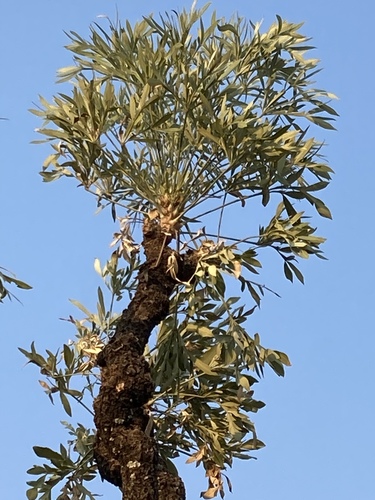
iNaturalist· cc-by-nc
(c) Eric Ulteig, some rights reserved (CC BY-NC), uploaded by Eric Ulteig
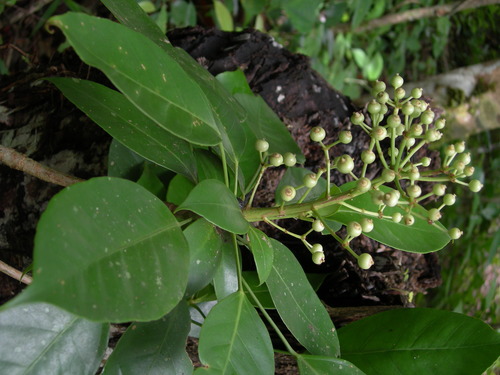
iNaturalist· cc-by-nc
(c) calba, some rights reserved (CC BY-NC), uploaded by calba
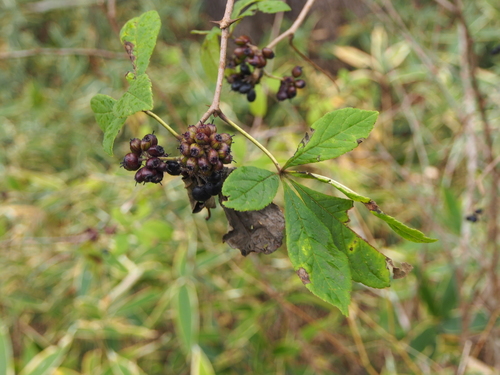
iNaturalist· cc-by-nc-sa
(c) Paul G. Johnson, some rights reserved (CC BY-NC-SA), uploaded by Paul G. Johnson
Summary
Source: WikipediaHydrocotyle umbellata is an aquatic plant that thrives in wet, sandy habitat. It is known by several common names, including manyflower marshpennywort, dollarweed, water pennywort (in Canada), and as acariçoba (in Brazil). It is native to North America and parts of South America. At the north of its range, in Canada, the species is only known from three lakes located in southwestern Nova Scotia. Most of the Canadian population is found within Kejimkujik National Park. In Brazil, acariçoba has applications in herbal medicine with purported anxiolytic, analgesic and anti-inflammatory properties. It can also be found growing as an introduced species and sometimes a noxious weed on other continents. It is an edible weed that can be used in salads or as a pot herb. In some parts of its native American range, manyflower marshpennywort is considered to be a species at risk (including in Connecticut and Ohio), as well as in Canada, where water pennywort is listed as threatened federally (under COSEWIC) and as endangered in Nova Scotia.
Description
A tropical herb in the Araliaceae family (also classified in Apiaceae).
This description is brief — help expand it
Edible Uses
The leaves are edible.
Distribution
It is a tropical plant.
Where It Grows
Asia, Central America, SE Asia, Mexico, Thailand,
Notes
Also put in the family Apiaceae.
Synonyms
Also Known As
Pesetilla, Sa-nawng-wa-du
References (2)
- Kuhnlein, H. V., et al, 2009, Indigenous Peoples' food systems. FAO Rome p 171
- Piedra-Malagón, E. M. et al, 2022, Edible native plants of the Gulf of Mexico Province. Biodiversity Data Journal 10: e80565 p 11