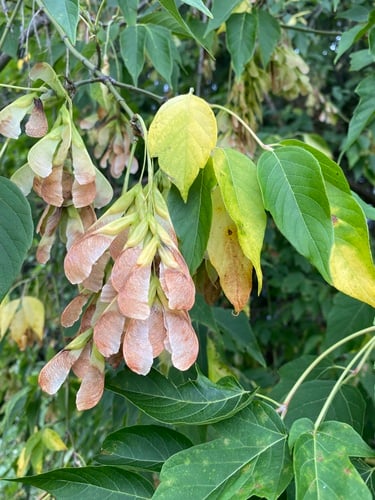
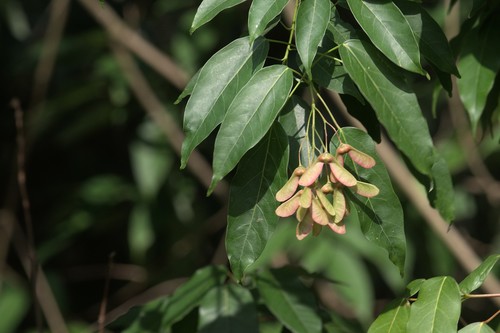
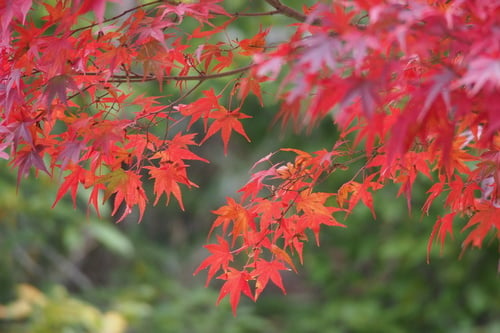
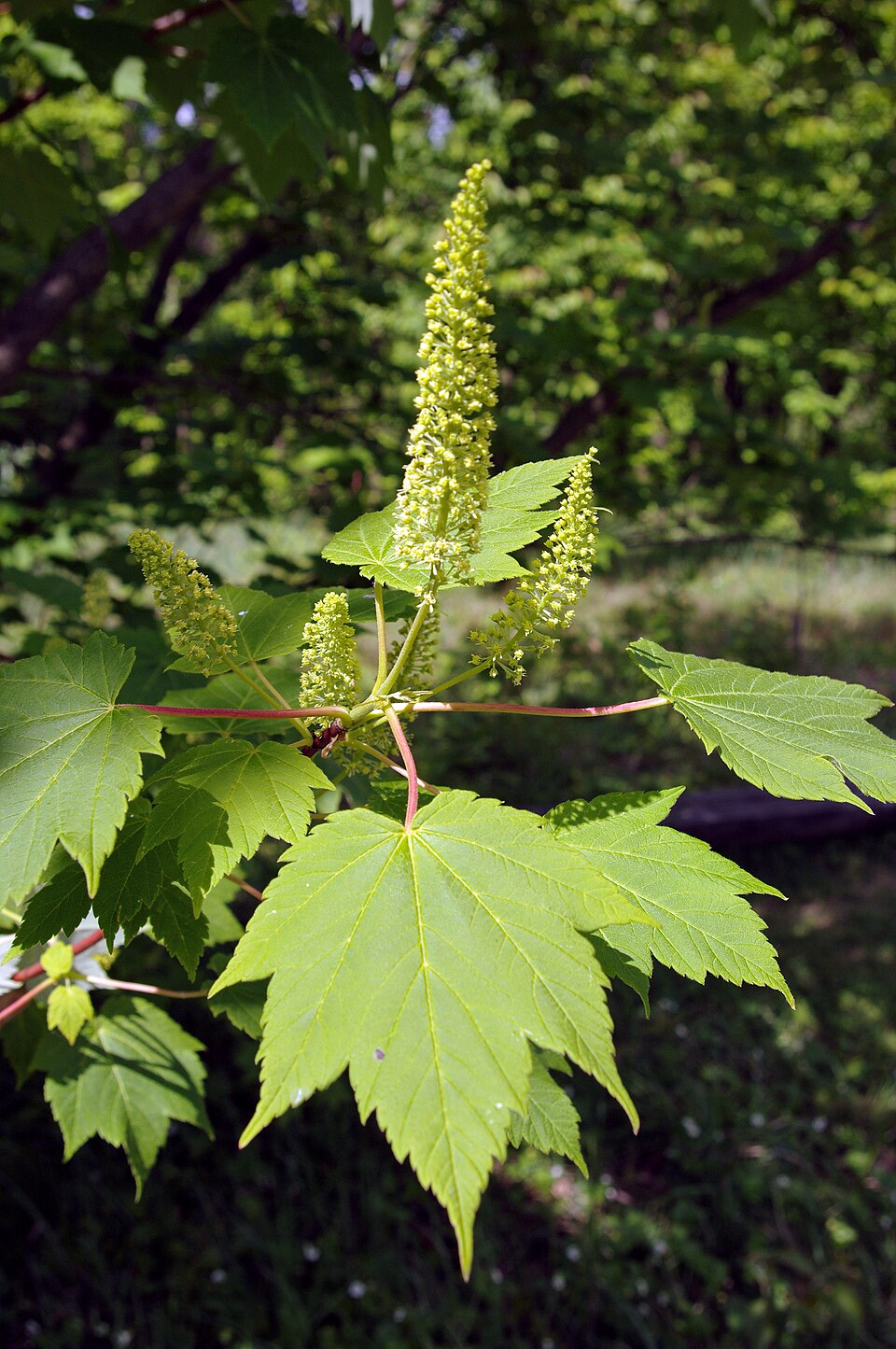
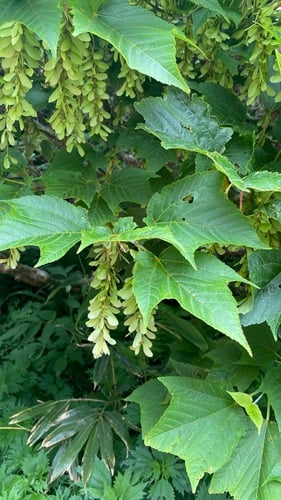
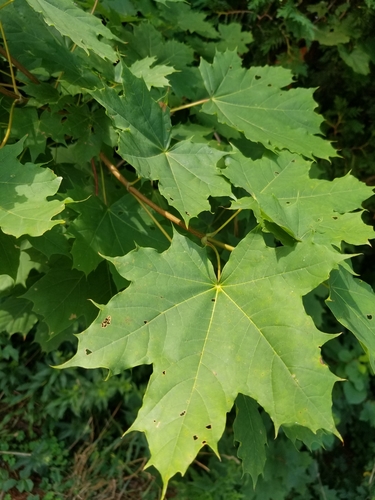
Dilodendron bipinnatum
Radlk.
Bipinnate dilodendron
iNaturalist· cc0
no rights reserved, uploaded by Tsssss
iNaturalist· cc0
no rights reserved, uploaded by Tsssss
iNaturalist· cc-by-nc
(c) Pedro Igor Monteiro, some rights reserved (CC BY-NC), uploaded by Pedro Igor Monteiro
Description
A tropical tree in the Sapindaceae family with bipinnate foliage.
This description is brief — help expand it
Edible Uses
The seeds are eaten.
Distribution
It is a tropical plant.
Where It Grows
Bolivia, Brazil, Paraguay, Peru, South America,
Cultivation
Grows best in a sunny position. Prefers a moist soil. A fast-growing tree, able to reach a height of 3 metres within 2 years from seed.
Propagation
Seed - best sown as soon as it is ripe in a partially shaded position in a nursery seedbed or in individual containers. A high germination rate can usually be expected, with the seed sprouting within 10 - 20 days. When the seedbed-sown seedlings are 4 - 6cm tall, pot them up into individual containers and they should be ready to plant out 4 - 5 months later.
Other Uses
An oil from the seeds is used for fuel. Used for lighting. The wood is light in weight, soft, with gummy ducts and an unpleasant odour, it is not resistant to rot. Of low quality, it is only used for fuel. A fast-growing tree that succeeds in full sun and provides food for the native fauna, it can be used in reforestation projects for restoring native woodland.
Also Known As
Cuta, Cuta blanca, Farinha-seca, Mae-pobre, Mamona-pobre, Mamoniha, Maria-pobre, Mulher-pobre, Sumbaillo, Sumbayllo hembra
References (2)
- Bortolotto, I. M., et al, 2018, Lista preliminar das plantas alimenticias nativas de Mato Grosso do Sul, Brasil. Iheringia, Serie Botanica, Porto Alegre, 73 (supl.):101-116
- Grandtner, M. M. & Chevrette, J., 2013, Dictionary of Trees, Volume 2: South America: Nomenclature, Taxonomy and Ecology. Academic Press p 200