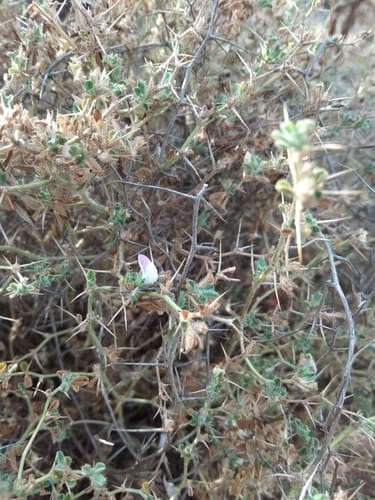
Acacia aneura
F.Muell. ex Benth.
Mulga, Yarran
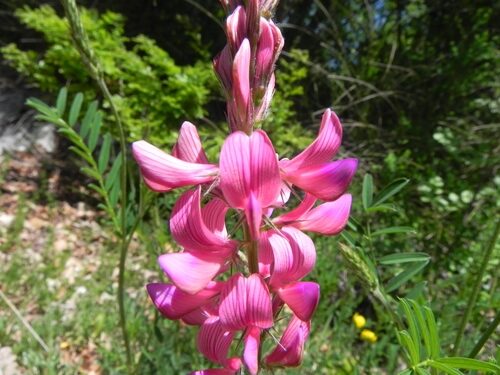
iNaturalist· cc-by-nc
(c) gpassier, some rights reserved (CC BY-NC)
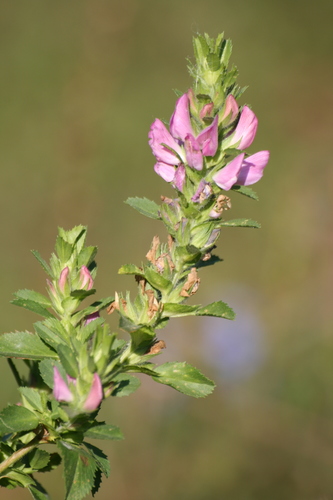
iNaturalist· cc-by
(c) dhfischer, some rights reserved (CC BY), uploaded by dhfischer
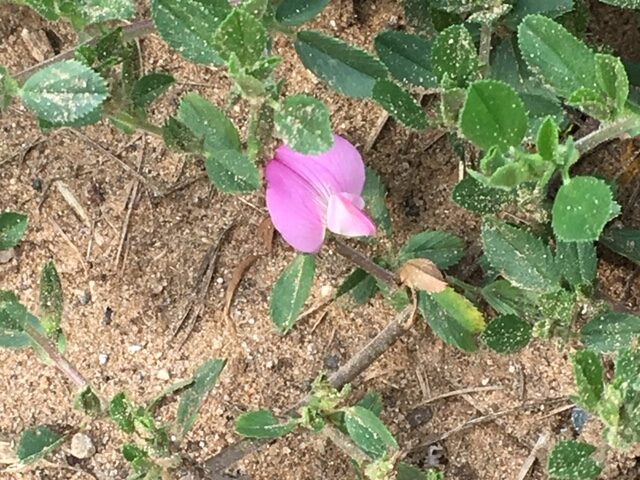
iNaturalist· cc-by-nc
(c) Wayne Martin, some rights reserved (CC BY-NC), uploaded by Wayne Martin
Summary
Source: WikipediaAcacia aneura, commonly known as mulga, is a species of flowering plant in the family Fabaceae and is endemic to inland Australia. It is a variable shrub or small tree with flat, narrowly linear to elliptic phyllodes, cylindrical spikes of bright yellow flowers and more or less flat and straight, leathery pods.
Description
A shrub or small tree. It grows 5 m tall. There are prickles along the stem. The leaves are twice divided and there are 8-18 pairs of pinnae. There are up to 50 pairs of pinnules on each pinnae. The flowers are yellow. They are in large clusters at the ends of branches. The pods are flattened.
Edible Uses
The flowers are cooked — they are rich in pollen and often used in fritters. The bark exudes an edible gum; some species produce a dark, astringent gum, while others yield a light, sweet, pleasant gum that can be sucked like candy, soaked in water to make a jelly, or warmed until soft and chewable. Seeds are dried and ground into a flour for use with cereals in cakes and similar foods. Acacia seeds are highly nutritious, containing approximately 26% protein, 26% available carbohydrate, 32% fibre, and 9% fat. The fat content is higher than most legumes, with the aril providing the bulk of fatty acids, which are largely unsaturated — a health advantage, though this makes storage problematic as such fats oxidise readily. The mean total carbohydrate content of 55.8 ±13.7% is lower than lentils but higher than soybeans, while the mean fibre content of 32.3 ±14.3% exceeds other legumes such as lentils, which measure 11.7%. Energy content averages 1480 ±270 kJ per 100g. These seeds are low glycaemic index foods — starch is digested and absorbed slowly, producing a small but sustained rise in blood glucose and delaying the onset of exhaustion during prolonged exercise. A sweet red or white substance called lerp, which forms on the leaves and branches, is also eaten. Lerp is a protective shield secreted from the anus of sap-sucking insects; it tastes sweet and was used as a staple food by Aboriginal Australians in some areas, though it is unclear whether it is consumed while the insects are still present or after they have gone. A large succulent gall known as the 'mulga apple', produced by the tree, is said to quench thirst.
Traditional Uses
The seeds are ground into flour. The seed tastes like peanut butter and is nutritious. Galls on the tree are used to quench thirst. The bark exudes a gum that is edible. Water can sometimes be found in the roots. A sweet, red lerp that forms on the leaves and branches is eaten.
Medicinal Uses
None known
Known Hazards
The seed of many Acacia species, including this one, is edible and highly nutritious, and can be eaten safely as a fairly major part of the diet. Not all species are edible, however, and some can contain moderate levels of toxins. Especially when harvesting from the wild, especial care should be taken to ensure correct identification of any plants harvested for food. Especially in times of drought, many Acacia species can concentrate high levels of the toxin Hydrogen cyanide in their foliage, making them dangerous for herbivores to eat.
Distribution
It is a subtropical plant. It occurs throughout most of Australia in the drier central areas. It grows in areas with a rainfall below 400 mm per year. It prefers a light well drained soil. It can grow in alkaline soils. t is suited to dry open sunny positions. It mostly occurs on flat red earth plains. Often it grows in pure stands. It is drought and frost resistant. In Africa it grows up to 2,000 m altitude. It can grow in arid places. Mulga is killed by fire. It suits hardiness zones 9-10.
Where It Grows
Africa, Asia, Australia, East Africa, Egypt, Hawaii, Israel, Kenya, Mediterranean, Middle East, Pacific, Pakistan,
Cultivation
It is grown from seed. Seed needs to be treated before it will grow. Normally this is by putting the seeds in very hot water and letting the water cool down overnight then planting the seeds immediately. Seed can be harvested by shaking from the tree or by raking it up off the ground.
Propagation
Seed is best sown as soon as ripe in a sunny position in a warm greenhouse. Stored seed should be scarified, pre-soaked for 12 hours in warm water, then sown in a warm greenhouse in March; germination takes 3–4 weeks at 25°C. Once seedlings are large enough to handle, prick out into individual pots and grow on in a sunny greenhouse position for their first winter. Plant out in late spring or early summer after the last expected frosts, with some cold protection advisable in their first winter outdoors. Cuttings of half-ripe wood with a heel taken in July or August can be rooted in individual pots in a frame, overwintered in a greenhouse, and planted out in their permanent positions the following late spring or early summer. A fair percentage of cuttings succeed.
Other Uses
A yellow dye is obtained from the flowers and a green dye from the seed pods. The plant's extensive root system helps prevent soil erosion. Twigs are used to make a dishmop. The wood turns well, takes a high polish, and is used extensively for ornaments and fencing.
Production
Flowering is mainly April to July or following rain. If good following rains do not occur many flowers simply fall without forming pods and seeds. Following good rains, insect attack produces galls 1 cm across with a juicy yellow flesh. These are edible. The galls with small protuberances are the ones which are edible. The honey dew from the lerp insect (Austrotachardia acaciae) is also edible. It is soaked in water to produce drinks. Yields of seed from wild stands of mulga can be 100 kg per hectare.
Other Information
One of the most important edible acacia seed species in the desert areas of Australia.
Notes
There are about 1,350 Acacia species. Over 1,000 occur in Australia. Also as Mimosaceae.
Nutrition
| Part | Moisture | kJ | kcal | Protein | Vit A | Vit C | Iron | Zinc |
|---|---|---|---|---|---|---|---|---|
| Seed | 5.2 | 1593 | 381 | 25.4 | — | — | 14.1 | 2.9 |
| Flowers | — | — | — | — | — | — | — | — |
| Gum | — | — | — | — | — | — | — | — |
Synonyms
Also Known As
Artety, Artitja, Irtetye, Ititja, Kurku, Manytja, Mulga apples, Wanari
References (48)
- Bodkin, F., 1991, Encyclopedia Botanica. Cornstalk publishing, p 8
- Bindon, P., 1996, Useful Bush Plants. Western Australian Museum. p 7
- Bircher, A. G. & Bircher, W. H., 2000, Encyclopedia of Fruit Trees and Edible Flowering Plants in Egypt and the Subtropics. AUC Press. p 4
- Boomsma, C.D., 1972, Native Tree of South Australia. Woods & Forests Department South Australia, Bulletin No.19. p 32
- Cancilla, D., 2018, Ethnobotanical and Ethnozoological Values Desktop Assessment - Eliwana Project. p 9
Show all 48 references Hide references
- Cherikoff V. & Isaacs, J., The Bush Food Handbook. How to gather, grow, process and cook Australian Wild Foods. Ti Tree Press, Australia p 45, 188
- Cribb, A.B. & J.W., 1976, Wild Food in Australia, Fontana. p 77
- Cundall, P., (ed.), 2004, Gardening Australia: flora: the gardener's bible. ABC Books. p 73
- Doran, J.C., & Turnbull, J.W. (Eds), 1997, Australian Trees and Shrubs: species for land rehabilitation and farm plantings in the tropics. ACIAR Monograph No 24. p 108
- Eddie, C., 2007, Field Guide to Trees and Shrubs of Eastern Queensland Oil and Gas Fields. Santos p 44
- Elliot, W.R., & Jones, D.L., 1982, Encyclopedia of Australian Plants suitable for cultivation. Vol 2. Lothian. p 16
- Etherington, K., & Imwold, D., (Eds), 2001, Botanica's Trees & Shrubs. The illustrated A-Z of over 8500 trees and shrubs. Random House, Australia. p 49
- Facciola, S., 1998, Cornucopia 2: a Source Book of Edible Plants. Kampong Publications, p 150
- Flora of Pakistan. www.eFloras.org
- Goddard, C. & Kalotas A. (Eds.), Punu, 2002, Yankunytjatjara plant use. Jukurrpa books. p 33
- Greig, D., 1996, Flowering Natives for Home Gardens. Angus & Robertson. p 27
- Hall, N. et al, 1972, The Use of Trees and Shrubs in the Dry Country of Australia, AGPS, Canberra. p 343
- Hardwick, G., 2001, Economically Useful Plants for Northern Australia: Master Species List. Crusader eBooks.
- Hassan, R. A. & Hamdy, R. S., 2021, Synoptic Overview of Exotic Acacia, Senegalia and Vachellia (Caesalpinioideae, Mimosoid Clade, Fabaceae) in Egypt. Plants 2021, 10, 1344.
- Hemphill, I, 2002, Spice Notes. Macmillan. p 413
- Holliday, I., 1989, A Field Guide to Australian Trees. Hamlyn. p 10
- Hunter, J. T. et al, Budjiti traditional use of plants on Naree Station. p 12
- Hunter, J.T., 2017, Is there a relationship between contemporary high Aboriginal plant resource locations and mapped vegetation communities? Cunninghamia 17:27-34. The Royal Botanic Garden Sydney. ISSN 2200 - 405X
- Isaacs, J., 1987, Bush Food, Aboriginal Food and Herbal Medicine. Weldons. p 107, 110
- Lang, P. J., et al, 1986, Anangu Pitjantjatjara Lands Biological Survey. p 43
- Latz, P., 1996, Bushfires and Bushtucker. IAD. p 88
- Latz, P & Wightman, G., 1995, Desert Bush Tucker Identikit. Common Native Food Plants of Central Australia. Parks & Wild Commission Northern territory. p 6
- Lazarides, M. & Hince, B., 1993, Handbook of Economic Plants of Australia, CSIRO. p 1
- Linnaea 26:627. 1855
- Lord, E.E., & Willis, J.H., 1999, Shrubs and Trees for Australian gardens. Lothian. p 36
- Low, T., 1991, Wild Food Plants of Australia. Australian Nature FieldGuide, Angus & Robertson. p 152, 180
- Low, T., 1992, Bush Tucker. Australia’s Wild Food Harvest. Angus & Robertson. p 12, 86
- Maiden, J. H., 1889, The Useful Native Plants of Australia (including Tasmania). The Technology Museum of NSW, Sydney. p 3
- McKerney, M. & White, H., 2011, Bush Tucker, Boomerangs & Bandages. Border River-Gwyder Catchment Management Authority p 45
- Milson. J., 2000, Trees and Shrubs of north-west Queensland. DPI p 112
- Molyneux, B. and Forrester, S., 1997, The Austraflora A-Z of Australian Plants. Reed. p 31
- Morley, B.D., & Toelken, H.R., (Eds), 1983, Flowering Plants in Australia. Rigby. p 147
- Paczkowska, G . & Chapman, A.R., 2000, The Western Australian Flora. A Descriptive Catalogue. Western Australian Herbarium. p 298
- Plants for a Future database, The Field, Penpol, Lostwithiel, Cornwall, PL22 0NG, UK. http://www.scs.leeds.ac.uk/pfaf/
- Recher, P, 2001, Fruit Spirit Botanical Gardens Plant Index. www.nrg.com.au/~recher/ seedlist.html p 4
- Robins, J., 1996, Wild Lime. Cooking from the Bush food garden. Allen & Unwin p 165
- Royal Botanic Gardens, Kew (1999). Survey of Economic Plants for Arid and Semi-Arid Lands (SEPASAL) database. Published on the Internet; http://www.rbgkew.org.uk/ceb/sepasal/internet [Accessed 26th April 2011]
- Self, M., 199, Phoenix Seeds catalogue. p 16
- Smith, K & I., 1999, Grow your own bushfoods. New Holland. Australia. p 99
- Smith, N. M., 1991, Ethnobotanical Field Notes from the Northern Territory, Australia, J. Adelaide Bot. Gard. 14(1): 1-65
- Townsend, K., 1994, Across the Top. Gardening with Australian Plants in the tropics. Society for Growing Australian Plants, Townsville Branch Inc. p 47
- Urban, A., 1990, Wildflowers of Inland Australia. Portside editions. p 82
- Usher, G., 1974, A Dictionary of Plants Used by Man. Constable. p 11