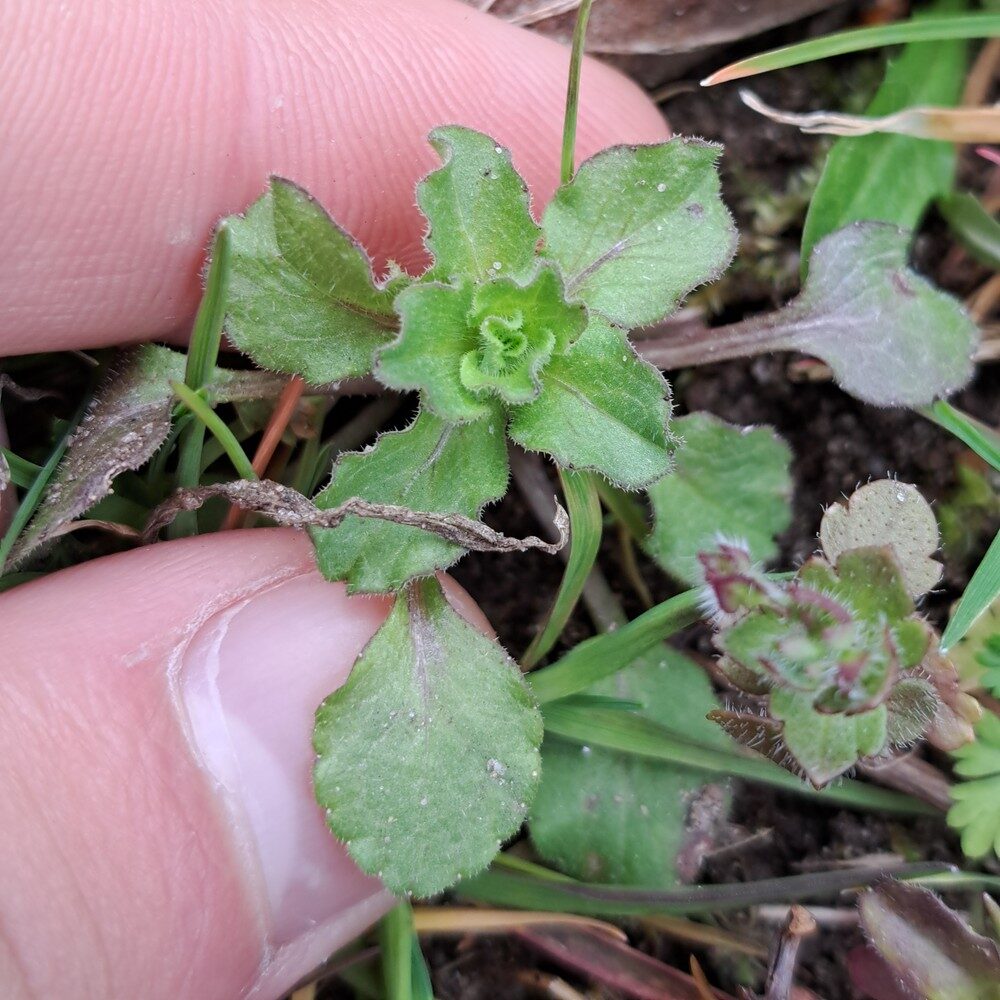
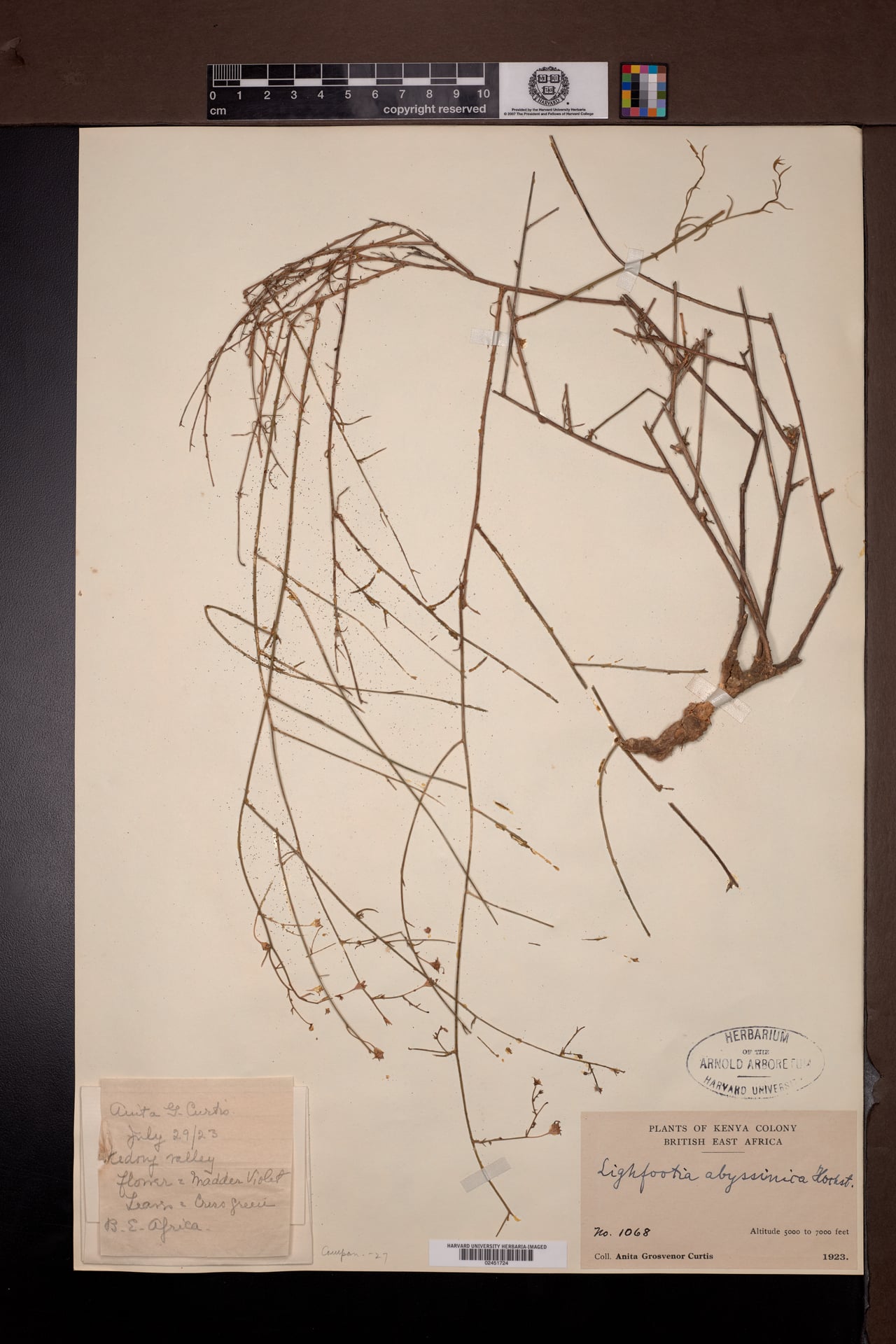
Codonopsis pilosula
(Franchet) Nannfeldt
Bastard ginseng
iNaturalist· cc-by-nc
(c) Yao Li, some rights reserved (CC BY-NC), uploaded by Yao Li
iNaturalist· cc-by
(c) Jane Charlen, some rights reserved (CC BY)
iNaturalist· cc-by
(c) Jane Charlen, some rights reserved (CC BY)
Summary
Source: WikipediaCodonopsis pilosula, also known as Dangshen (Chinese: 党参; pinyin: Dǎngshēn), is a perennial species of flowering plant in the bellflower family. It is native to Asia, where it grows in forests, meadows, and scrub.
Description
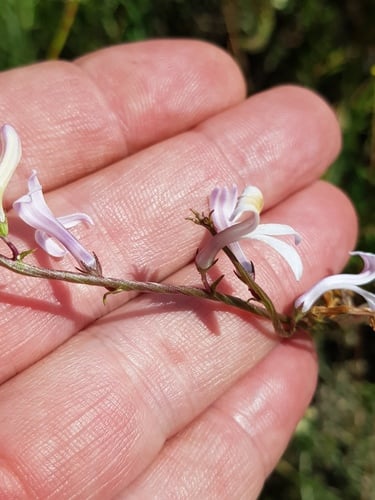
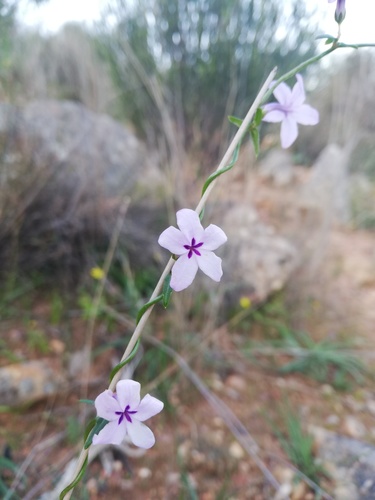
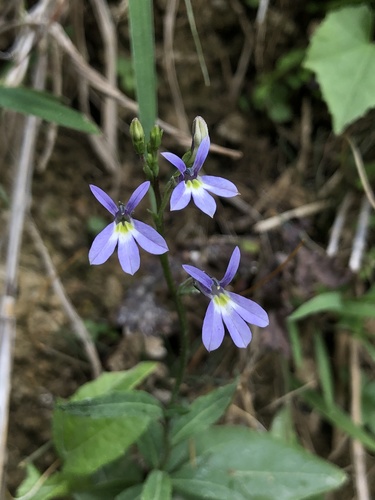
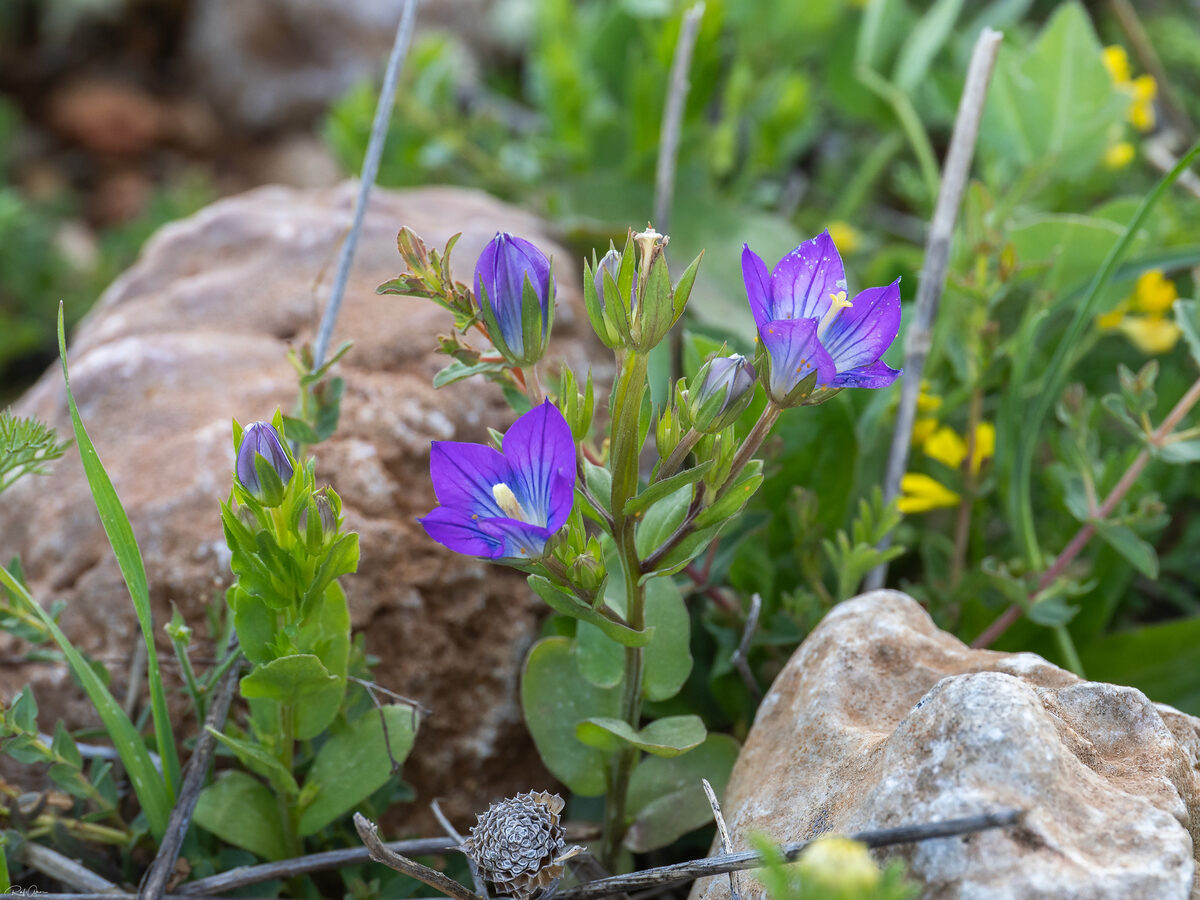
A twining herb. It climbs 2 m high. It has milky sap. It keeps growing from year to year. The stems are slender. The leaves are hairy and pale green. They are oval and 4 cm long. The flowers occur singly and are bell shaped. They are 2.5 cm long. They grow on leafy side branches.
Edible Uses
The root can be eaten raw or cooked.
Traditional Uses
The roots are roasted with millet or eaten raw, baked, or pickled in miso. It is used in tonic teas and soups. The dried root is used to prepare soup with spare ribs, Astragalus roots, sliced Chinese yam, dried jujube and Lycium berries. It is used as a substitute for ginseng.
Medicinal Uses
Known in Chinese medicine as Dang Shen, this plant is a valued gentle tonic that boosts energy and helps the body adapt to stress. The root contains saponins, triterpenes and steroids, giving it an action similar to ginseng (Panax species), though milder and shorter-lasting. It is a sweet, warm, soothing herb that acts mainly on the spleen, lungs and stomach, raising secretion of body fluids and blood sugar levels, and stimulating the immune system. Research has shown it increases haemoglobin and red blood cell levels, lowers blood pressure, improves endurance to stress and promotes alertness. The root and whole plant are adaptogenic, appetite-stimulating, digestive, galactogogue, sialagogue, stomachic and tonic. It is taken internally for low energy, poor appetite and digestion, anaemia, shallow breathing and debility after illness. It is often cooked with rice until glutinous and used as a tonic food. The dried root is decocted with other herbs to treat a wide range of ailments. Roots from plants at least three years old are harvested in autumn and used fresh or dried.
Distribution
It is a temperate plant. It is native to northern and western China. It grows between 900-3,900 m above sea level. In Sichuan and Yunnan.
Where It Grows
Asia, Australia, China*, Korea, Mongolia, Russia, Slovenia, Tasmania, Tibet,
Cultivation
It is grown by seed. It can be grown by cuttings. Seedlings need care when transplanting not to damage the taproot.
Propagation
Surface sow seed in spring to early summer in ericaceous compost in a greenhouse, keeping the compost moist at all times. Seed usually germinates in 1–6 weeks at 20°C. Prick out seedlings into individual pots as soon as they are large enough to handle and grow on under glass through their first winter. Plant out in late spring or early summer, protecting from slugs until well established. Division can be done in spring, but must be done carefully as the plant resents root disturbance. Small divisions teased from the sides of the main clump cause the least disruption and avoid the need to lift the whole plant. Pot these divisions and keep in light shade in a greenhouse until rooting well. Plant out in summer if large enough, otherwise the following spring.
Other Uses
None known.
Other Information
It is a cultivated food plant. It is sold in Chinese stores in Australia.
Notes
There are about 30 Codonopsis species. It is used in medicine.
Synonyms
Also Known As
Dangshen, Dang Shen, Tangshen
References (8)
- Acta Horti Gothob. 5:29. 1929
- Bremness, L., 1994, Herbs. Collins Eyewitness Handbooks. Harper Collins. p 278
- Brown, D., 2002, The Royal Horticultural Society encyclopedia of Herbs and their uses. DK Books. p 174
- Hibbert, M., 2002, The Aussie Plant Finder 2002, Florilegium. p 71
- Hu, Shiu-ying, 2005, Food Plants of China. The Chinese University Press. p 714
Show all 8 references Hide references
- Ju, Y., et al, 2013, Eating from the wild: diversity of wild edible plants used by Tibetans in Shangri-la region, Yunnan, China, Journal of Ethnobiology and Ethno medicine 9:28
- Lim, T. K., 2015, Edible Medicinal and Non Medicinal Plants. Volume 9, Modified Stems, Roots, Bulbs. Springer p 25
- Plants for a Future database, The Field, Penpol, Lostwithiel, Cornwall, PL22 0NG, UK. http://www.scs.leeds.ac.uk/pfaf/