Coccoloba venosa
L.
Calambre–a, Chicory-grape
iNaturalist· cc-by-nc
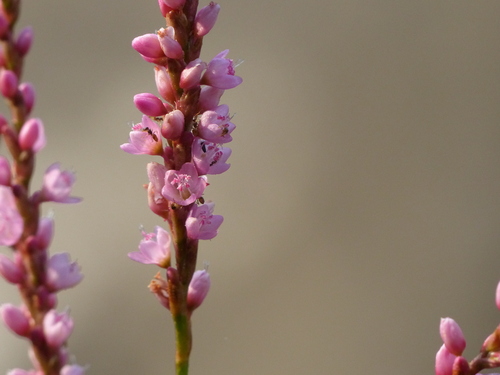
(c) Samuel Brinker, some rights reserved (CC BY-NC), uploaded by Samuel Brinker
iNaturalist· cc-by-nc
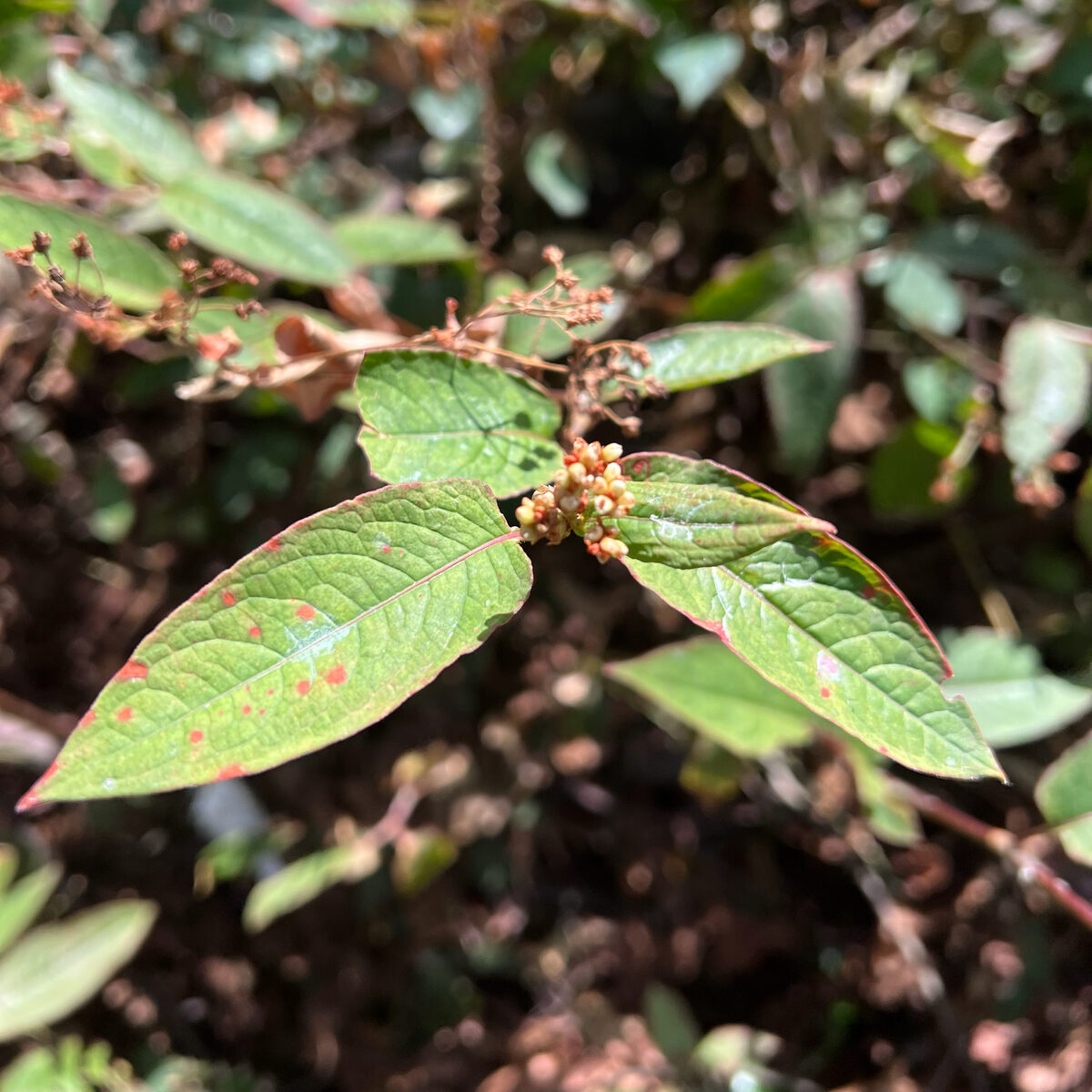
(c) Erid Román-Rosario, some rights reserved (CC BY-NC)
Description
A small tree. It grows 10 m tall. It loses its leaves during the year. The crown is spreading and branches almost horizontal. The leaves are in 2 rows and drooping. They are oval. The fruit are white to pink and fleshy. They are 8 mm long and egg shaped. They have an edible lobed calyx around a shiny black seed.
Edible Uses
The fruit pulp is eaten raw.
Traditional Uses
The pulp of the fruit is eaten raw.
This uses section is brief — help expand it
Distribution
It is a tropical plant. It grows in dry coastal regions.
Where It Grows
Antigua, Caribbean, Central America, Costa Rica, Dominican Republic, El Salvador, French Guiana, Grenada, Guatemala, Hispaniola, Jamaica, Mexico, Nicaragua, Puerto Rico, South America, Trinidad and Tobago, Venezuela, Virgin islands, West Indies,
Cultivation
A dioecious species, both male and female forms need to be grown if fruit and seed are required.
Other Uses
The whitish wood is hard. It is little used.
Notes
There are between 120-200 Coccoloba species in tropical America.
Synonyms
Also Known As
Calambrena, Carnero, Gateador, Guarapo, Iril, Papaturro
References (7)
- Grandtner, M. M. & Chevrette, J., 2013, Dictionary of Trees, Volume 2: South America: Nomenclature, Taxonomy and Ecology. Academic Press p 149
- Kermath, B. M., et al, 2014, Food Plants in the Americas: A survey of the domesticated, cultivated and wild plants used for Human food in North, Central and South America and the Caribbean. On line draft. p 250
- Little, E. L. & Wadsworth, F. H., 1964, Common Trees of Puerto Rico and the Virgin Islands. USDA Agriculture Handbook No. 249
- Martin, F.W., C.W. Campbell and R.M. Ruberté, 1987, Perennial edible fruits of the tropics - An inventory. United States Department of Agriculture, Agricultural Research Service, Agriculture Handbook No. 642. Washington, D.C., USA
- Reis, S. V. and Lipp, F. L., 1982, New Plant Sources for Drugs and Foods from the New York Botanical Garden herbarium. Harvard. p 51
Show all 7 references Hide references
- Segura, S., et al, 2018, The edible fruit species in Mexico. Genet Resour Crop Evol (2018) 65:1767–1793
- Syst. nat. ed. 10, 2:1007. 1759