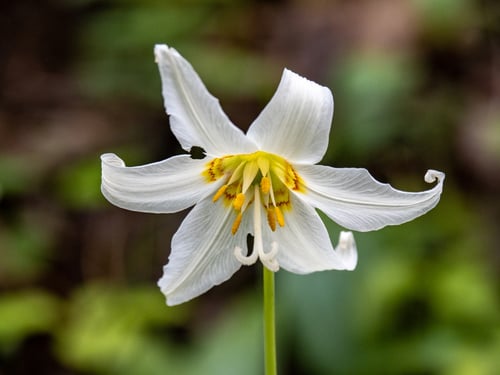
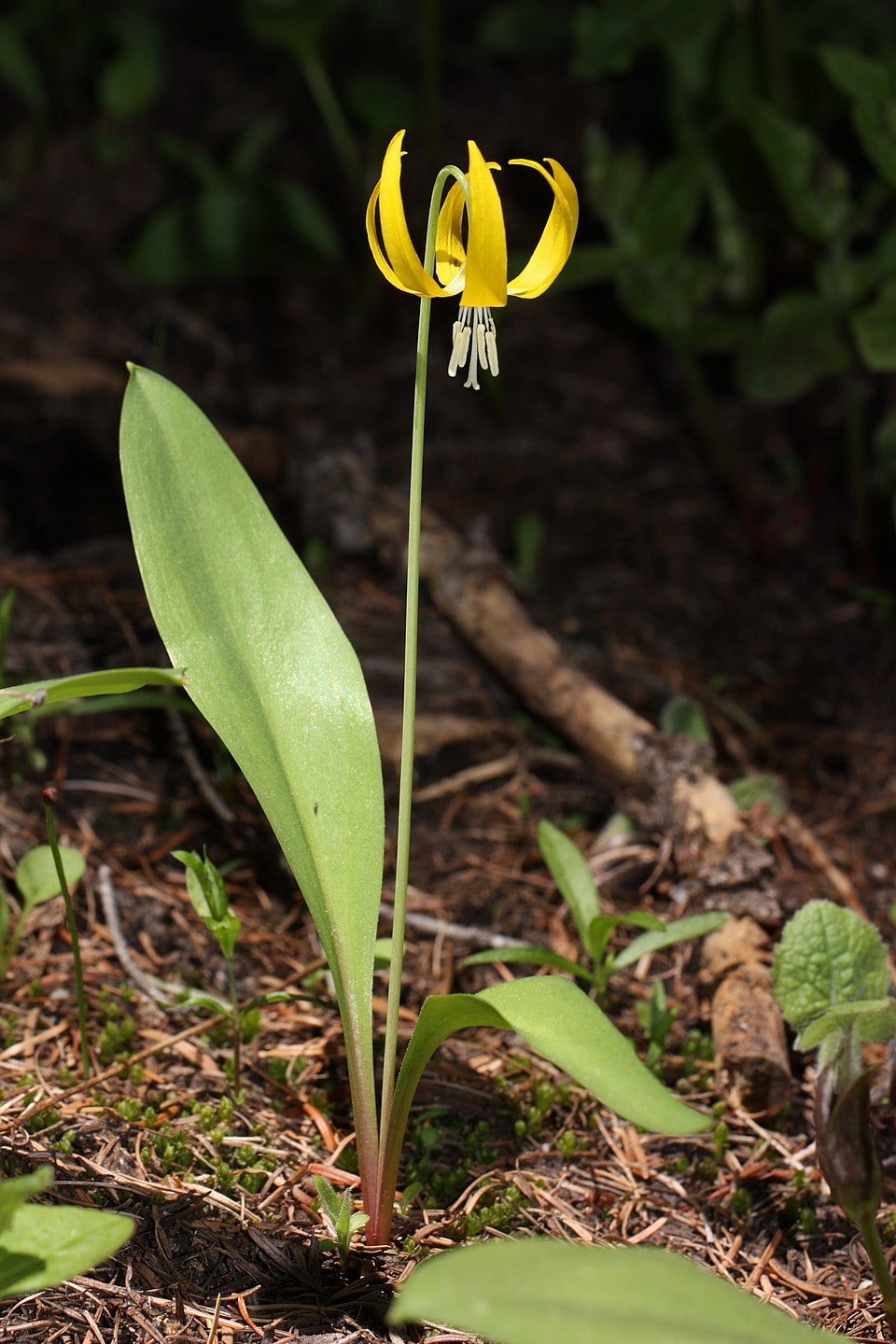
Clintonia umbellulata
(Michx.) Morong.
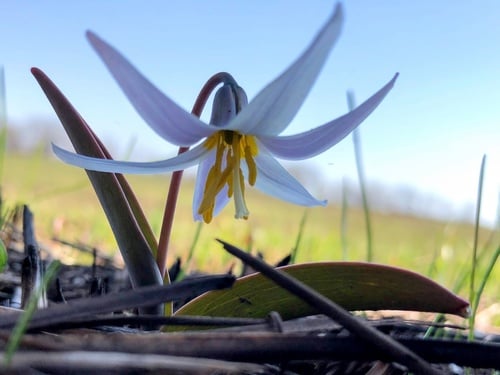
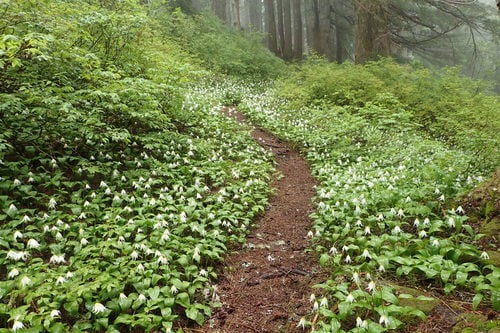
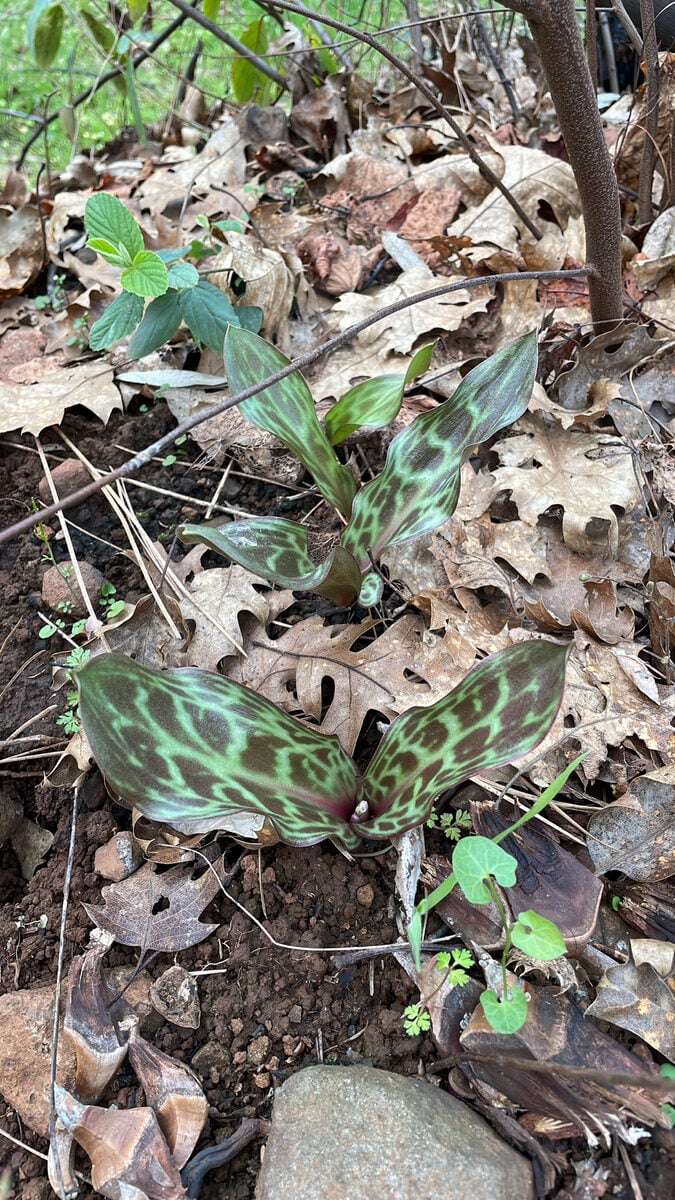
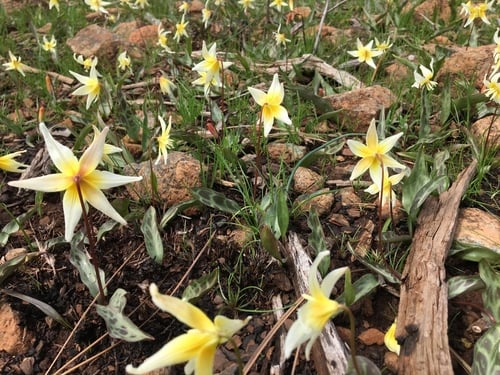
Speckled wood lily
iNaturalist· cc-by
(c) Michael J. Papay, some rights reserved (CC BY), uploaded by Michael J. Papay
iNaturalist· cc-by
(c) Shelby Lyn Sanders, some rights reserved (CC BY), uploaded by Shelby Lyn Sanders
iNaturalist· cc-by-nc-sa
(c) Annkatrin Rose, some rights reserved (CC BY-NC-SA)
Summary
Source: WikipediaClintonia umbellulata, commonly known as white clintonia or speckled wood-lily, is a species of flowering plant in the lily family Liliaceae. The specific epithet umbellulata means "umbelled," which refers to the shape of the plant’s inflorescence.
Description
Compact perennial growing to 0.2 m tall and wide, hardy to UK zone 4 and frost-hardy. Flowers in May. Grows in light sandy and medium loamy soils with mildly acidic, neutral, or very acidic pH. Tolerates full shade to semi-shade and prefers moist soil.
Edible Uses
Young leaves are edible raw or cooked. Gathered in spring before they fully unfurl, they have a cucumber flavour. Older leaves are best cooked before eating.
Medicinal Uses
No medicinal uses are known for this plant.
Distribution
It is a temperate plant.
Where It Grows
North America, USA,
Propagation
Seed — best sown as soon as ripe in a cold frame, where it usually germinates the following spring. Stored seed should be sown in late winter or early spring in a cold frame; it may germinate within 1–3 months at 15°c but can take up to a year. The seed should be fully separated from the fruit and barely covered with soil. If sown thinly enough, seedlings can remain in the pot through their first growing season and be divided once dormant, with liquid feeds applied at intervals through spring and summer. Otherwise, prick out seedlings into individual pots when large enough to handle. Plant out in late spring or early summer at the start of their second or third year of growth. Divide established clumps in spring as new growth is just beginning.
Other Uses
No other uses are known for this plant.
Notes
There are 5 Clintonia species. Also put in the family Uvulariaceae.
References (1)
- Plants for a Future database, The Field, Penpol, Lostwithiel, Cornwall, PL22 0NG, UK. http://www.scs.leeds.ac.uk/pfaf/