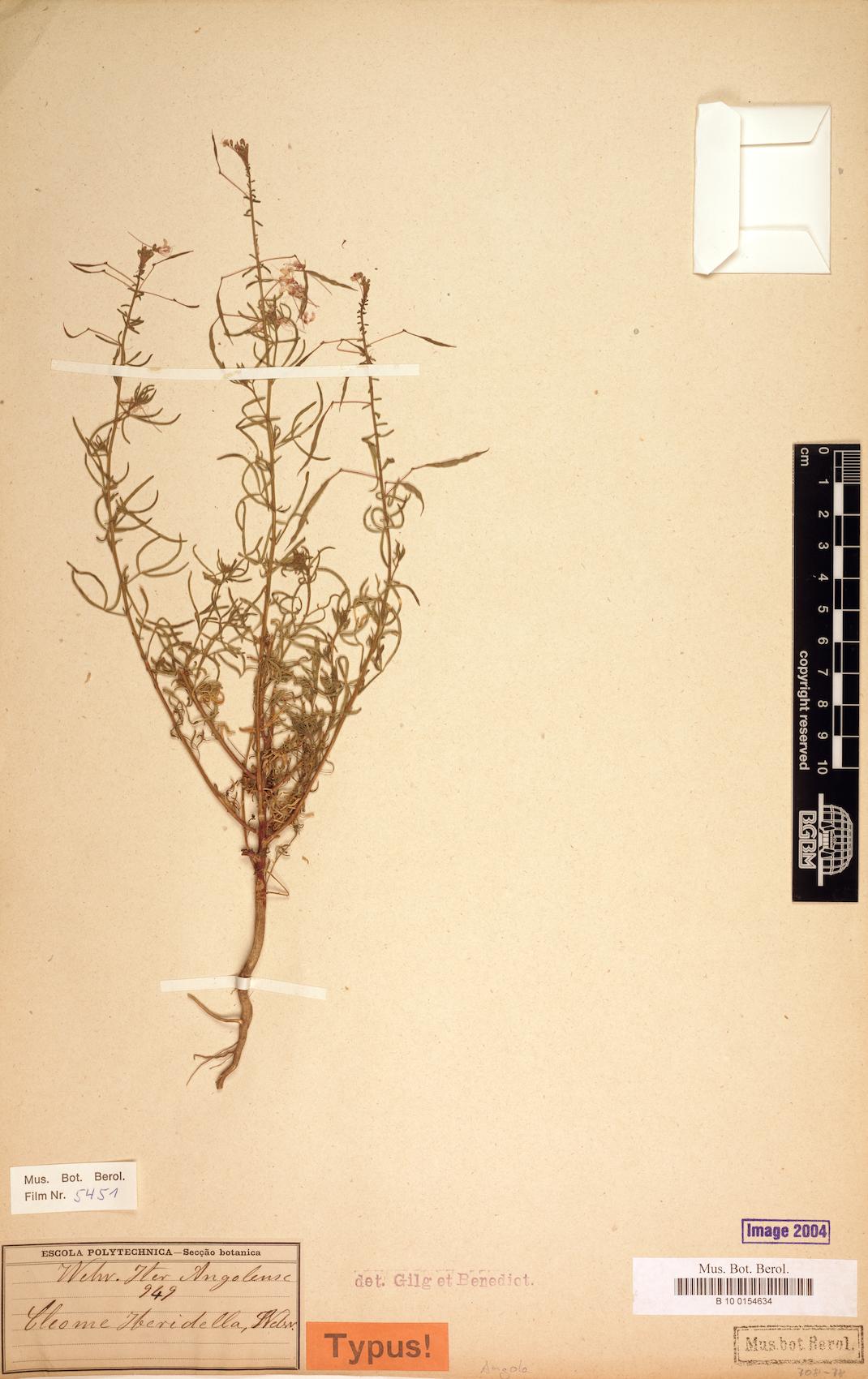
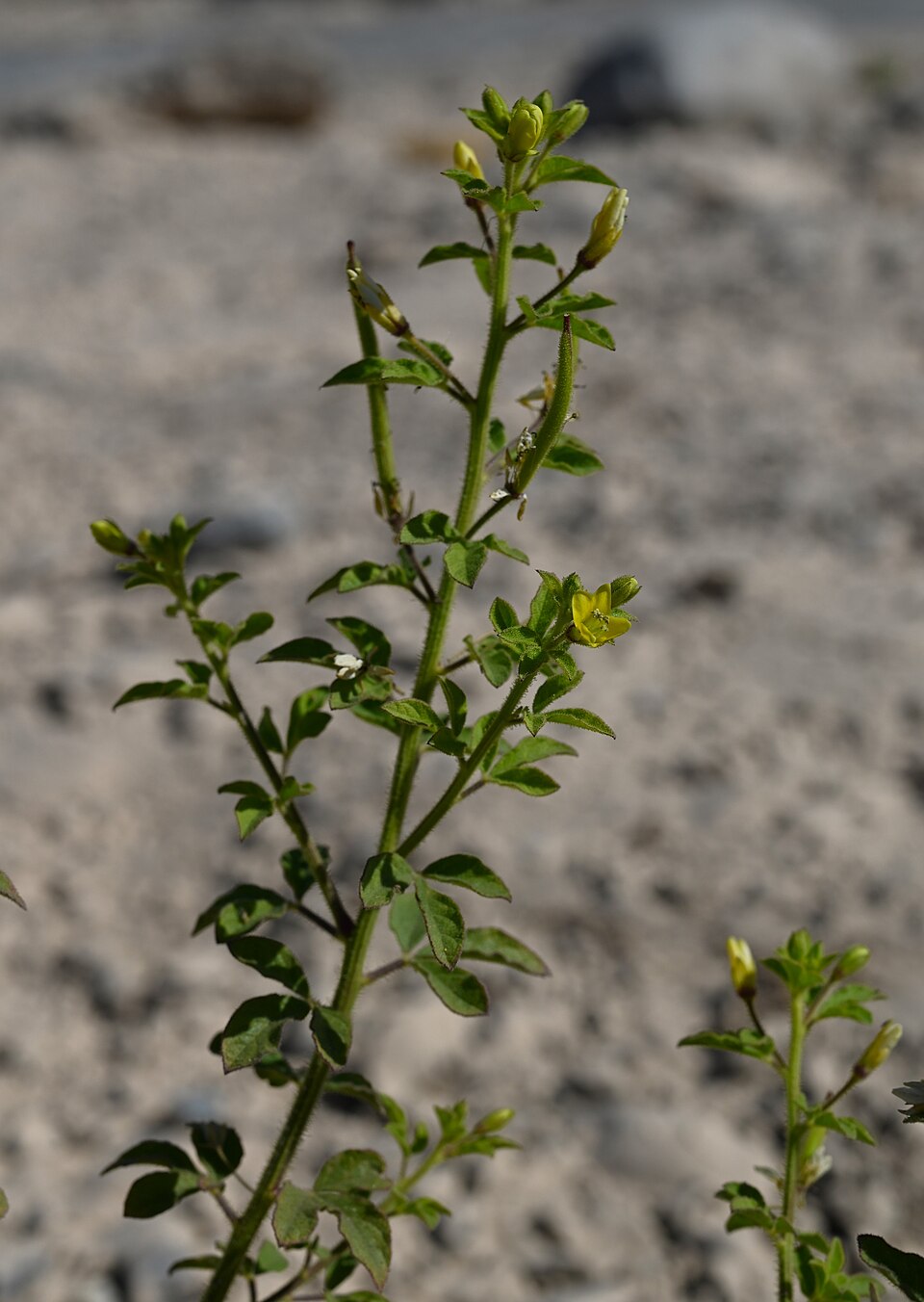
Cleome arabica
L.
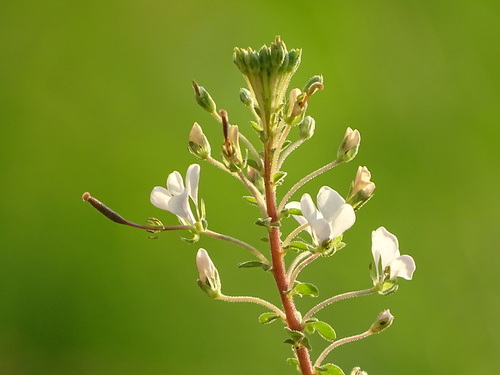
iNaturalist· cc-by-nc
(c) Rafi Amar, some rights reserved (CC BY-NC)
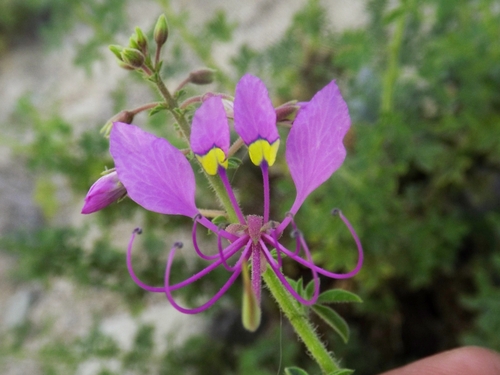
iNaturalist· cc-by-nc
(c) Rafi Amar, some rights reserved (CC BY-NC)
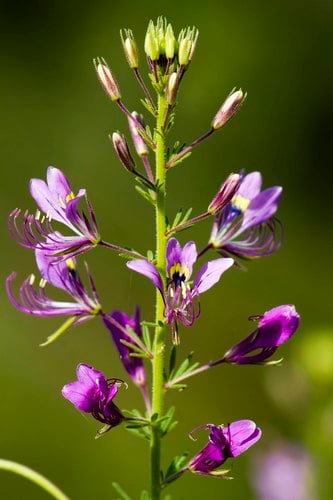
iNaturalist· cc-by-nc
(c) Rafi Amar, some rights reserved (CC BY-NC)
Description
A tropical herb from arid regions of West Africa (down to 20°N) that can grow in desert conditions and dry places.
This description is brief — help expand it
Edible Uses
The leaves are dried, ground into powder, and added to milk as a drink. The seeds are also edible.
Traditional Uses
The leaves are dried, reduced to powder and added to milk as a drink.
This uses section is brief — help expand it
Distribution
A tropical plant. It is a desert plant. It grows in the northern region of West Africa down to 20°N. It can grow in arid places.
Where It Grows
Africa, Israel, Mauritania, Mediterranean, Middle East, North Africa, Sahara, Somalia, West Africa,
Notes
There are about 150-250 Cleome species. They are mostly tropical and subtropical. There are about 40 Cleome species in tropical America. They are also put in the family Capparaceae. It can restrict the growth of some other plants.
Synonyms
References (4)
- Burkill, H. M., 1985, The useful plants of west tropical Africa, Vol. 1. Kew.
- Heywood, V.H., Brummitt, R.K., Culham, A., and Seberg, O. 2007, Flowering Plant Families of the World. Royal Botanical Gardens, Kew. p 101
- Jardin, C., 1970, List of Foods Used In Africa, FAO Nutrition Information Document Series No 2.p 41
- World Checklist of Useful Plant Species 2020. Royal Botanic Gardens, Kew