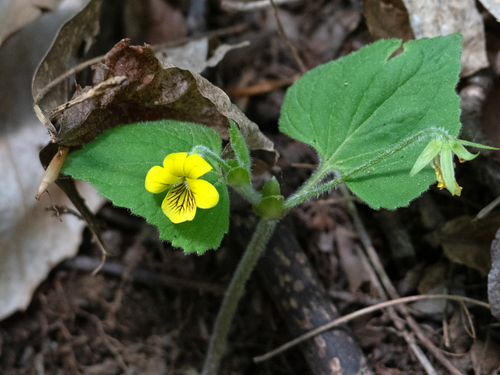
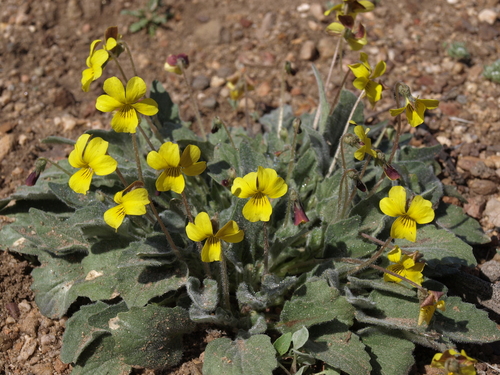
Viola canadensis var. rugulosa
(Greene) C. L. Hitchc.
Canada violet
iNaturalist· cc-by-sa
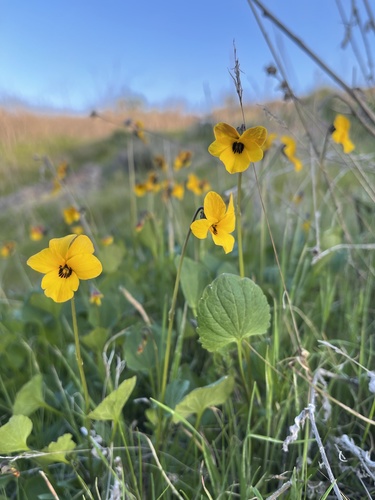
(c) Douglas Goldman, some rights reserved (CC BY-SA), uploaded by Douglas Goldman
iNaturalist· cc-by
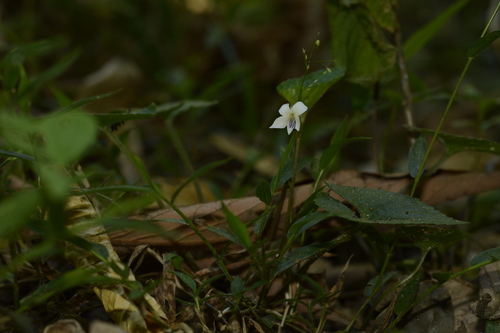
(c) Katja Schulz, some rights reserved (CC BY)
iNaturalist· cc-by-nc
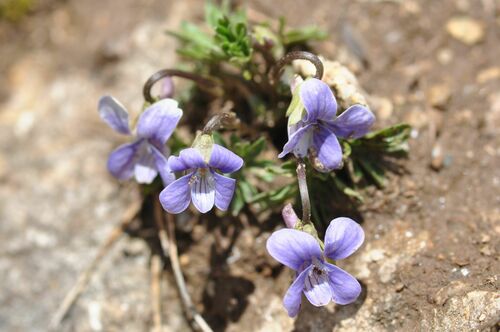
(c) Nate Martineau, some rights reserved (CC BY-NC), uploaded by Nate Martineau
Summary
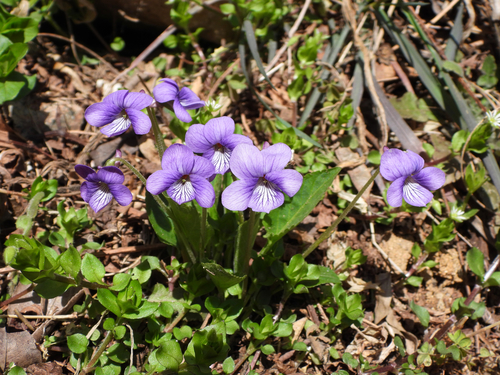
Source: WikipediaViola canadensis is a flowering plant in the Violaceae family. It is commonly known as Canadian white violet, Canada violet, tall white violet, or white violet. It is widespread across much of Canada and the United States, from Alaska to Newfoundland, south as far as Georgia and Arizona. It is a perennial herb and the Latin-specific epithet canadensis means of Canada. Viola canadensis bears white blooms with yellow bases and sometimes streaks of purple. The petals are purple-tinged on the backside. The leaves are heart-shaped, with coarse, rounded teeth. Subspecies and varieties Viola canadensis var. canadensis Viola canadensis subsp. canadensis Viola canadensis var. rugulosa (Greene) C.L. Hitchc. Viola canadensis subsp. scopulorum (A. Gray) House
Description
A temperate herb in the violet family with edible leaves and flowers.
This description is brief — help expand it
Edible Uses
The leaves can be used fresh for tea, and both leaves and flowers are eaten.
Medicinal Uses
The leaves and blossoms are edible. The latter can be used to make jelly. The South Ojibwa use a decoction of the root for pains near the bladder.
Distribution
It is a temperate plant.
Where It Grows
North America, USA,
Synonyms
References (1)
- Kermath, B. M., et al, 2014, Food Plants in the Americas: A survey of the domesticated, cultivated and wild plants used for Human food in North, Central and South America and the Caribbean. On line draft. p 913