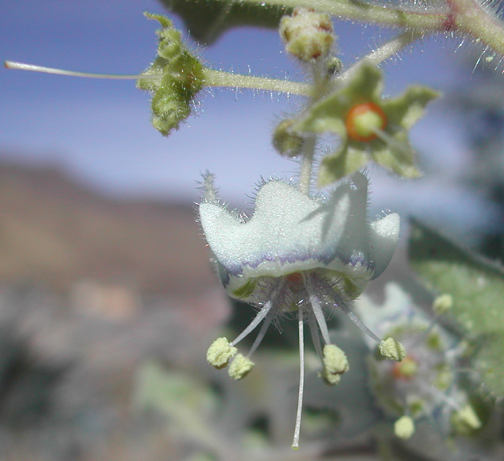
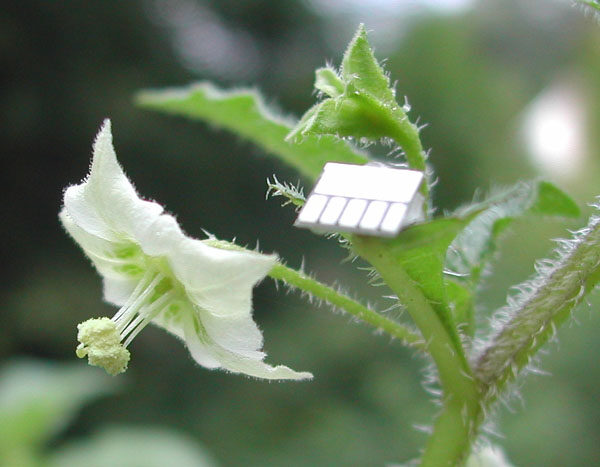
Solanum catilliflorum
G. J. Anderson, Martine, Prohens & Nuez
wikimedia· cc-by-sa
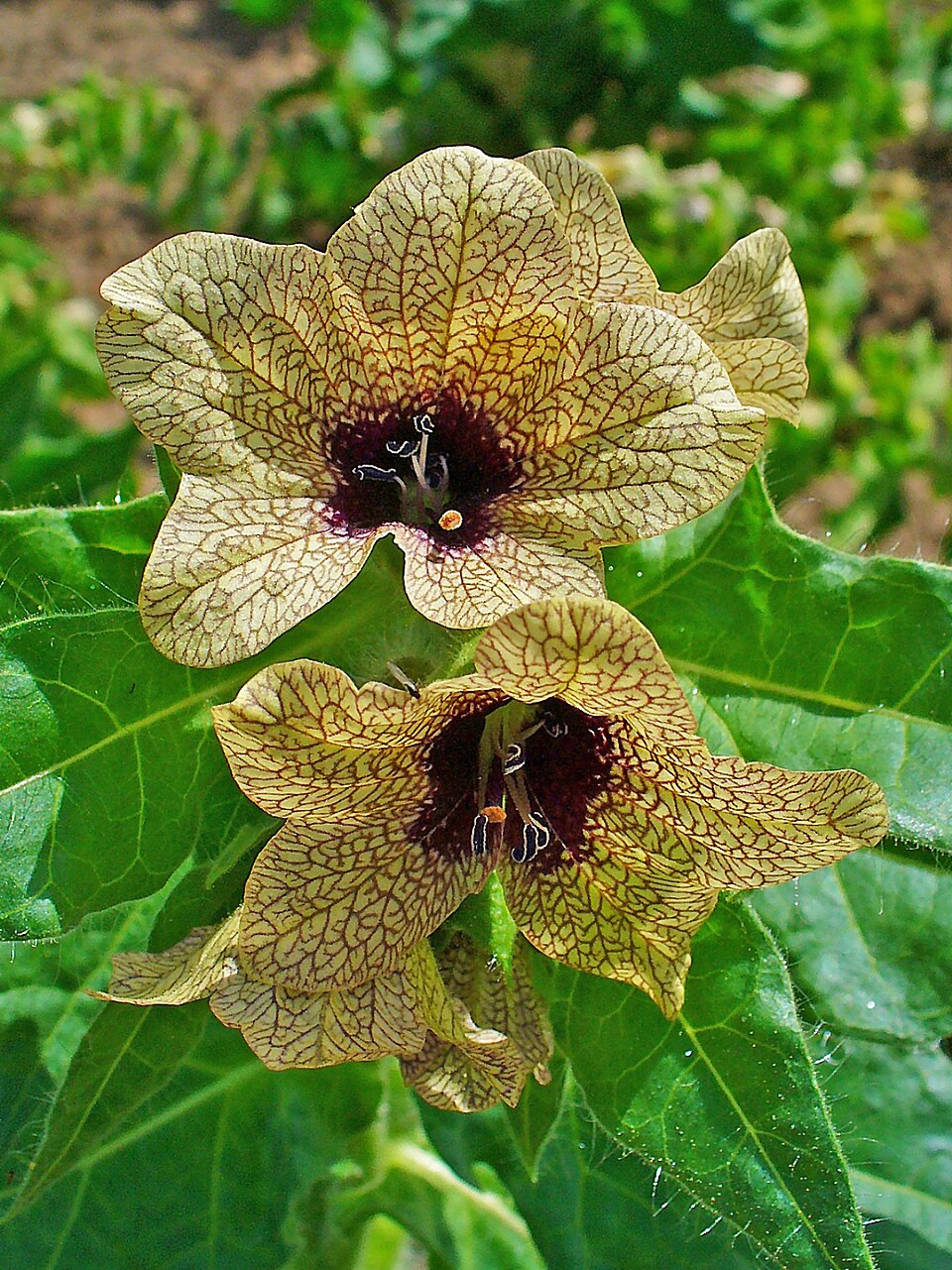
Photo by and (c)2006 Derek Ramsey (Ram-Man) (via Wikimedia Commons)
Summary
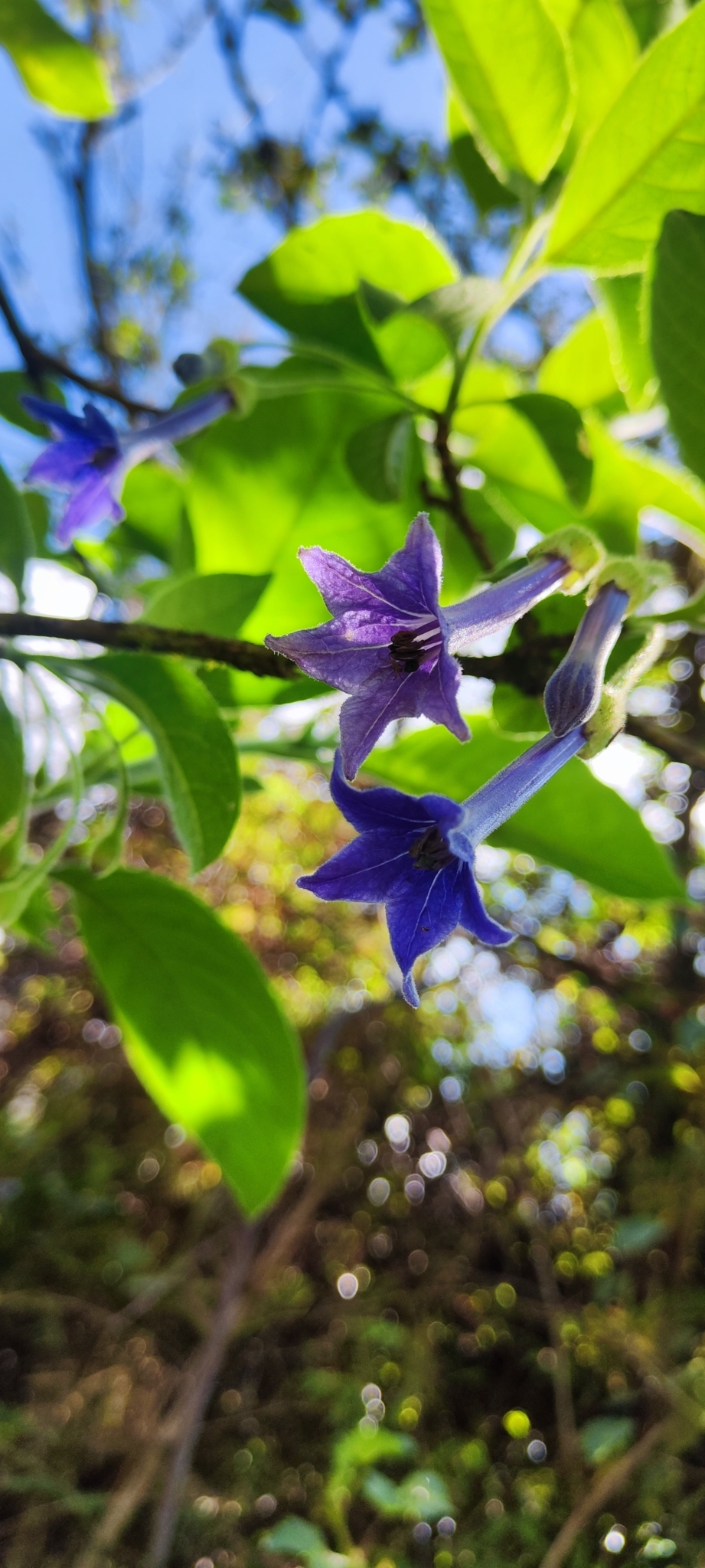
Source: WikipediaSolanum catilliflorum is an evergreen vine in the family Solanaceae. It is endemic to Peru, and is a close relative of Solanum muricatum, the domesticated pepino. It bears small, dish-shaped flowers (thus named catilli-florum: Latin for "dish" and "flower") and is self-compatible and autogamous, with short styles like those that characterize all self-compatible species in this group. It also has a low pollen:ovule ratio, which is characteristic of self-compatible species in the group. It is diploid at n = 12. Together with Solanum perlongistylum, it might be an allopatric variant of S. caripense.
Description
A vine or trailing shrub. The branches are 1 m long. The leaves usually have 3 leaflets. The leaflets are 3-6 mm long. The fruit are pale green with darker stripes. They are about 12-18 mm across. There are 100-175 seeds in a fruit.
Edible Uses
Fruit - raw. The globose fruit is pale green or yellowish-green with darker green or purple-black stripes; it is around 12 - 18mm in diameter.
Traditional Uses
The ripe fruit are eaten.
This uses section is brief — help expand it
Known Hazards
Although providing many well-known foods for people, including the potato, tomato, pepper and aubergine, most species in this genus also contain toxic alkaloids. Whilst these alkaloids can make the plant useful in treaing a range of medical conditions, they can also cause problems such as nausea, vomiting, salivation, drowsiness, abdominal pain, diarrhoea, weakness and respiratory depression. Unless there are specific entries with information on edible uses, it would be unwise to ingest any part of this plant.
Distribution
It is a tropical plant. It occurs at about 2,100 m above sea level.
Where It Grows
Andes, Peru, South America,
Propagation
Seed - sow in trays in a nursery. Prick out the seedlings into individual pots when they are large enough to handle and grow them on fast. Plant them out when 10cm or more tall. Cuttings of half-ripe wood. Very easy, the cuttings root within a couple of weeks.
Notes
It is a rare and newly described species.
Also Known As
Pipino
References (1)
- Kermath, B. M., et al, 2014, Food Plants in the Americas: A survey of the domesticated, cultivated and wild plants used for Human food in North, Central and South America and the Caribbean. On line draft. p 815