Solanum trilobatum
L.
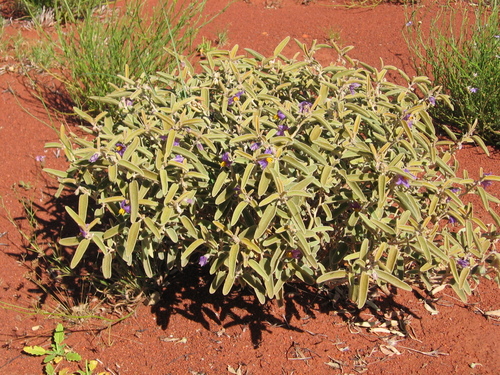
iNaturalist· cc-by-nc
(c) Gérard Rolin, some rights reserved (CC BY-NC), uploaded by Gérard Rolin
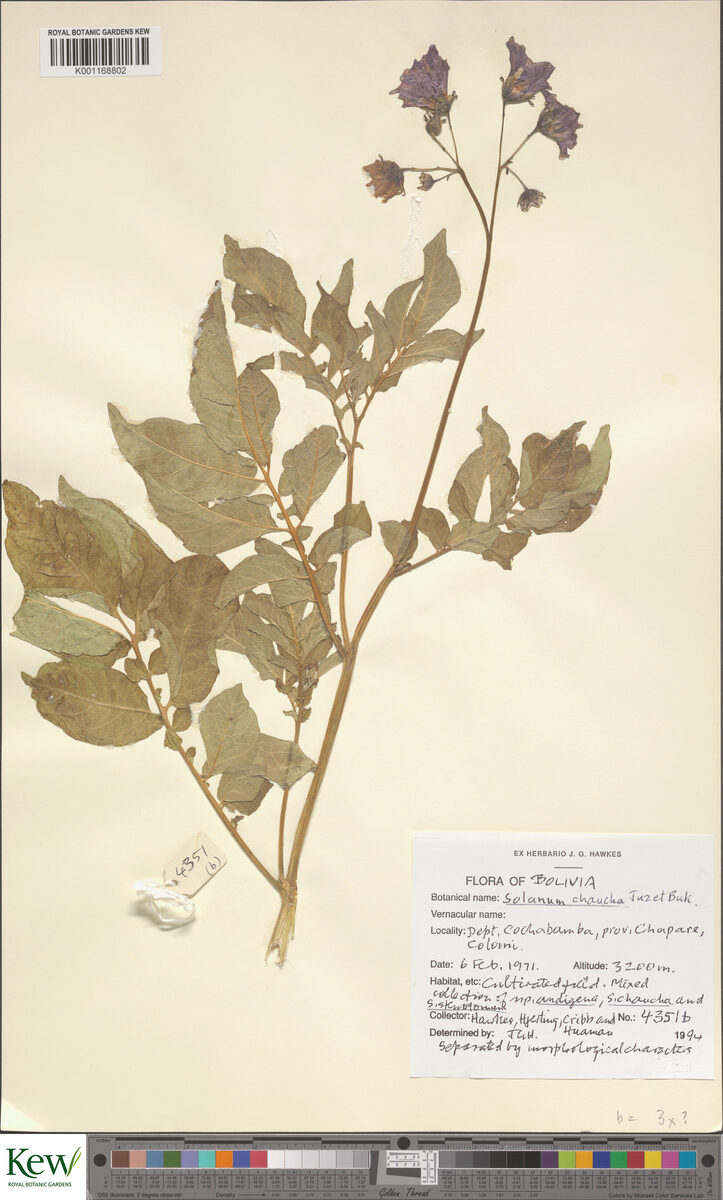
iNaturalist· cc-by-sa
(c) Len Worthington, some rights reserved (CC BY-SA), uploaded by Len Worthington
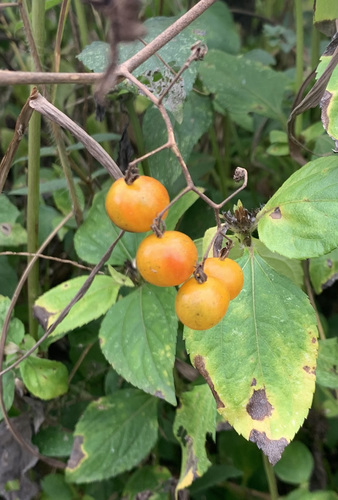
iNaturalist· cc-by-nc
(c) Cheongweei Gan, some rights reserved (CC BY-NC), uploaded by Cheongweei Gan
Summary
Source: WikipediaSolanum trilobatum is a plant species in the nightshade family Solanaceae. It is native to India, Sri Lanka and mainland Southeast Asia. It is used as a medicinal herb.
Description
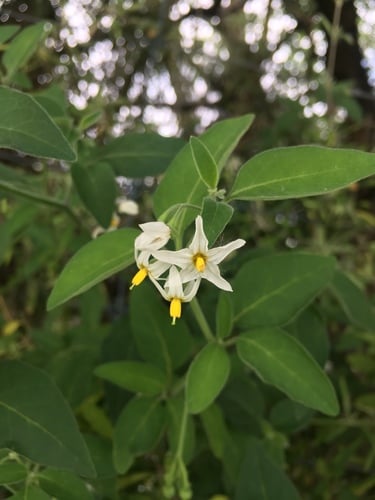
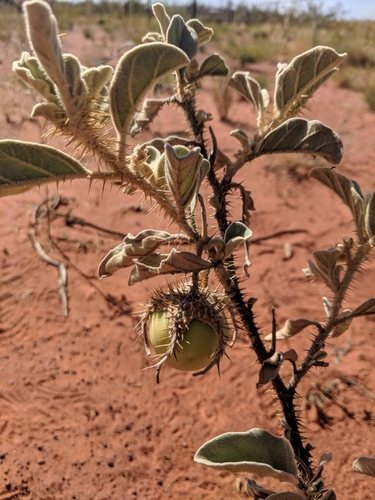
A woody climbing shrub. The stems are prickly. The leaves are simple and alternate. The leaves are broadly oval and 4-8 cm long by 3-4 cm wide and have lobes. The flowers are purple with bright yellow stamens. The fruit is a bright red berry when ripe. It is about 1 cm wide.
Edible Uses
The leaves are cooked and eaten as a potherb or vegetable, and the ripe fruit is eaten.
Traditional Uses
The leaves are cooked and eaten as a vegetable. They are used as a potherb. The fruit is eaten.
This uses section is brief — help expand it
Medicinal Uses
The bitter roots and young shoots have been given in the form of an electuary, a decoction or a powder for consumption. The medicine is mainly used for asthma, chronic febrile affections and difficult parturition. The plant is antibacterial, antifungal, antimitotic, antioxidant and antitumouour. It is used in the treatment of asthma; vomiting of blood; rheumatism; several kinds of leprosy; to help reduce blood glucose levels, bilious matter and phlegm. The leaf juice is drunk as a remedy for fever. The seeds are used as a vermifuge. Research has shown that the leaves contain Sugar, Protein, Alkaloids, Flavonoids, Saponins, Tannins, Cardiac glycoside, Terpenoids, Lipids. An extract of the leaves has shown good antimicrobial activity against both gram-positive and gram-negative bacteria.
Known Hazards
Although providing many well-known foods for people, including the potato, tomato, pepper and aubergine, most species in this genus also contain toxic alkaloids. Whilst these alkaloids can make the plant useful in treaing a range of medical conditions, they can also cause problems such as nausea, vomiting, salivation, drowsiness, abdominal pain, diarrhoea, weakness and respiratory depression. Unless there are specific entries with information on edible uses, it would be unwise to ingest any part of this plant.
Distribution
A tropical plant. It can grow in tidal swamps. In Sri Lanka it grows in the dry regions.
Where It Grows
Asia, Bangladesh, India, Indochina, Laos, Malaysia, Myanmar, SE Asia, Sri Lanka, Thailand, Vietnam,
Cultivation
The plant is often found as a garden weed within its native range. Plants can flower all year round.
Propagation
Seed - sow in trays in a nursery. Prick out the seedlings into individual pots when they are large enough to handle and grow them on fast. Plant them out when 10cm or more tall. Cuttings of half-ripe wood. Very easy, the cuttings root within a couple of weeks.
Notes
There are about 1400 Solanum species. The fruit and leaves contain solasodine.
Synonyms
Also Known As
Alarka, Habbusundae-gida, Kudalam, Ma waeng khruea, Mark kheng, Mullumusta, Mundlamuste, Mye-bok-hkayan, Nab-hiankuri, Nittidan, Tellaliste, Thudhuvalai, Thuduvalai, Thuthuvalai keerai, Toothuvilai, Trikun pata, Tudhuvelum, Tutavalam, Uste, Wel-tibbatu
References (13)
- Ambasta, S.P. (Ed.), 2000, The Useful Plants of India. CSIR India. p 582
- Arinathan, V., et al, 2007, Wild edibles used by Palliyars of the western Ghats, Tamil Nadu. Indian Journal of Traditional Knowledge. 6(1) pp 163-168
- Burkill, I.H., 1966, A Dictionary of the Economic Products of the Malay Peninsula. Ministry of Agriculture and Cooperatives, Kuala Lumpur, Malaysia. Vol 2 (I-Z) p 2080
- Jacquat, C., 1990, Plants from the Markets of Thailand. D.K. Book House p 95
- Karthi, Sathya, & Salome, 2014, Uncultivated Edible Greens from Small Millet Farms Tamil Nadu India. IDRC
Show all 13 references Hide references
- McMakin, P.D., 2000, Flowering Plants of Thailand. A Field Guide. White Lotus. p 102
- Nakahara, K. et al, 2002, Antimutagenicity of Some Edible Thai Plants, and a Bioactive Carbazole Alkaloid, Mahanine, Isolated from Micromelum minutum. Journal of Agricultural and Food Chemistry. 50: 4796-4892
- Pasha, M. K. & Uddin, S. B., 2019, Minor Edible Fruits of Bangladesh. Bangladesh J. Plant Taxon. 26(2): 299–313
- PROSEA
- Rajapaksha, U., 1998, Traditional Food Plants in Sri Lanka. HARTI, Sri Lanka. p 489
- Singh, H.B., Arora R.K.,1978, Wild edible Plants of India. Indian Council of Agricultural Research, New Delhi. p 37
- Solomon, C., 2001, Encyclopedia of Asian Food. New Holland. p 130
- Somnasang, P., Moreno, G and Chusil K., 1998, Indigenous knowledge of wild hunting and gathering in north-east Thailand. Food and Nutrition Bulletin 19(4) p 359f