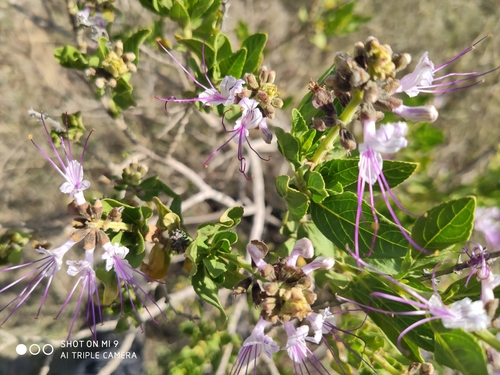
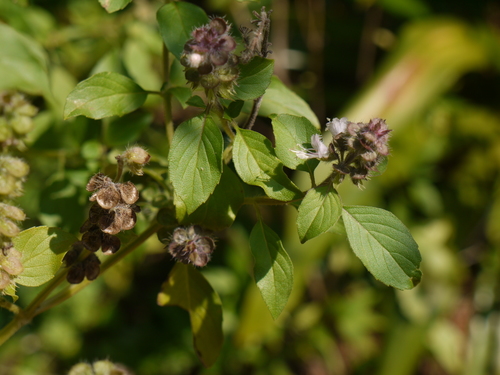
Salvia lyrata
L.
Azure blue sage
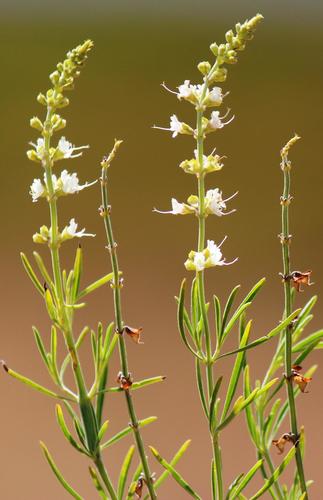
iNaturalist· cc-by-nc-sa
(c) dogtooth77, some rights reserved (CC BY-NC-SA)
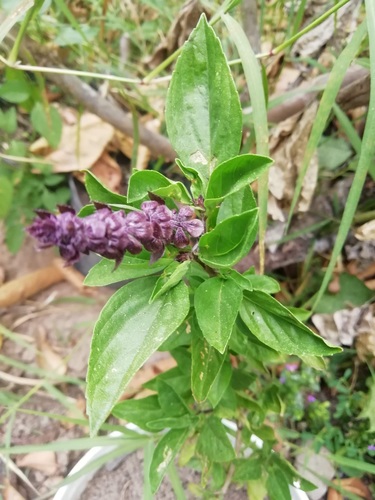
iNaturalist· cc-by-nc
(c) Matthew Hammond, some rights reserved (CC BY-NC)
Summary
Source: WikipediaSalvia lyrata (lyre-leaf sage, lyreleaf sage, wild sage, cancerweed), is a herbaceous perennial in the family Lamiaceae that is native to the United States, from Connecticut west to Missouri, and in the south from Florida west to Texas. It was described and named by Carl Linnaeus in 1753.
Description
A herb that keeps growing from year to year. it grows 30-60 cm tall. The leaves at the base are in a ring. They are 10-20 cm long and have rounded lobes.
Edible Uses
None known
Traditional Uses
The leaves can be used as a potherb.
This uses section is brief — help expand it
Medicinal Uses
The plant is diaphoretic and mildly laxative, and can be used in the treatment of diarrhoea, coughs, and colds. Fresh leaves are applied topically to remove warts. The plant is also a folk remedy for cancer. Leaves and seeds are made into an ointment to cure wounds and sores, and the root can be used to prepare a salve for sores.
Distribution
It is a temperate plant.
Where It Grows
Canada, North America, USA,
Cultivation
Requires a very well-drained light sandy soil in a sunny position. Prefers a rich soil. Plants can be killed by excessive winter wet. Members of this genus are rarely if ever troubled by browsing deer.
Propagation
Sow seed in March or April in a greenhouse; germination usually takes place within 2 weeks. Prick out seedlings into individual pots when large enough to handle and plant out in early summer. In areas at the limits of the plant's hardiness, grow on under glass through the first winter and plant out in late spring the following year. Cuttings of half-ripe wood can be taken at almost any time during the growing season.
Other Uses
None known
Synonyms
Also Known As
Cancer root, Lanceleaf sage, Lyreleaf sage
References (1)
- Kermath, B. M., et al, 2014, Food Plants in the Americas: A survey of the domesticated, cultivated and wild plants used for Human food in North, Central and South America and the Caribbean. On line draft. p 779