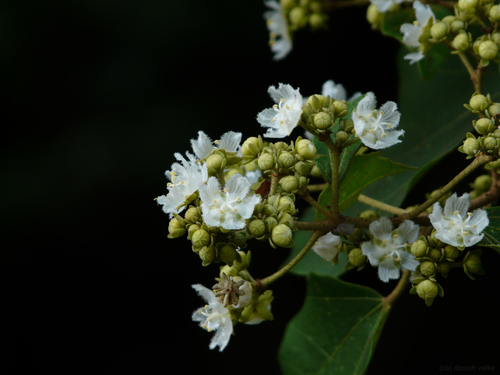
Pseudobombax munguba
(Mart. & Zucc.) Dugand
Manguba
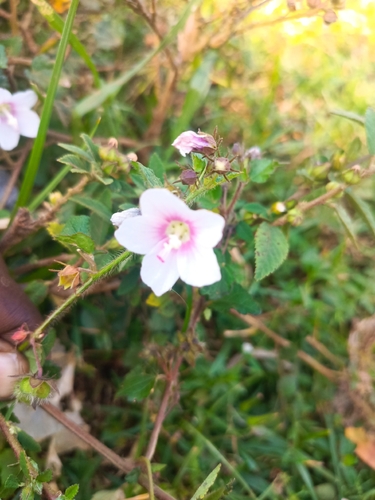
iNaturalist· cc-by-nc-sa
(c) Mateo Hernandez Schmidt, some rights reserved (CC BY-NC-SA), uploaded by Mateo Hernandez Schmidt
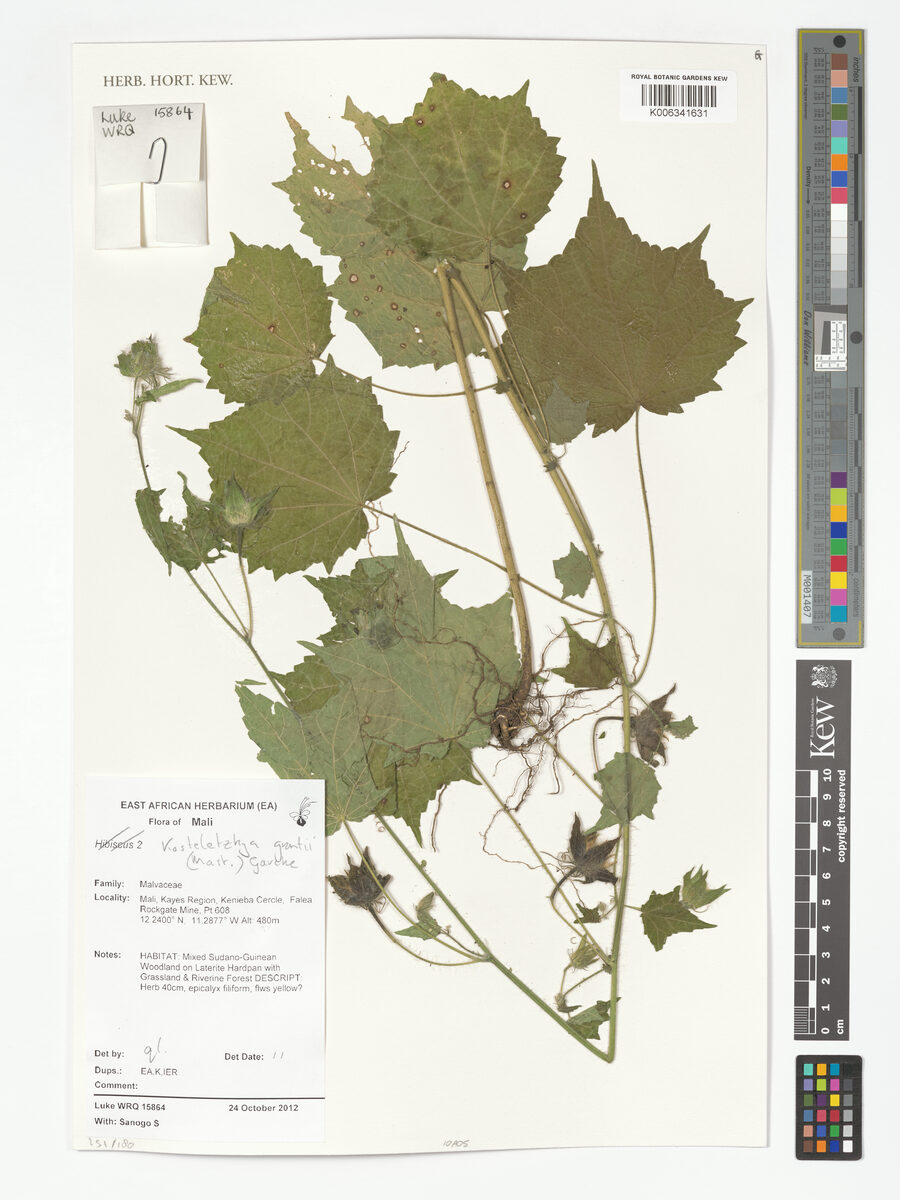
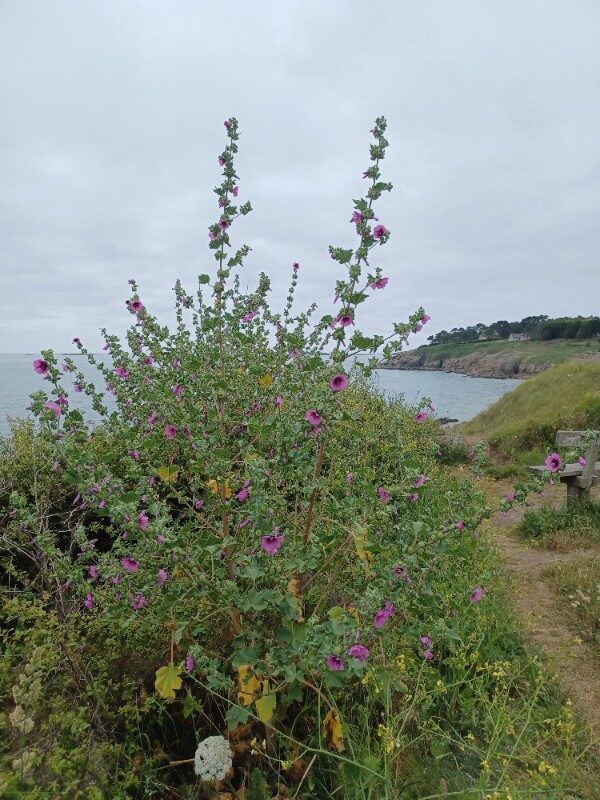
iNaturalist· cc-by-nc
(c) Guillaume Léotard, some rights reserved (CC BY-NC)
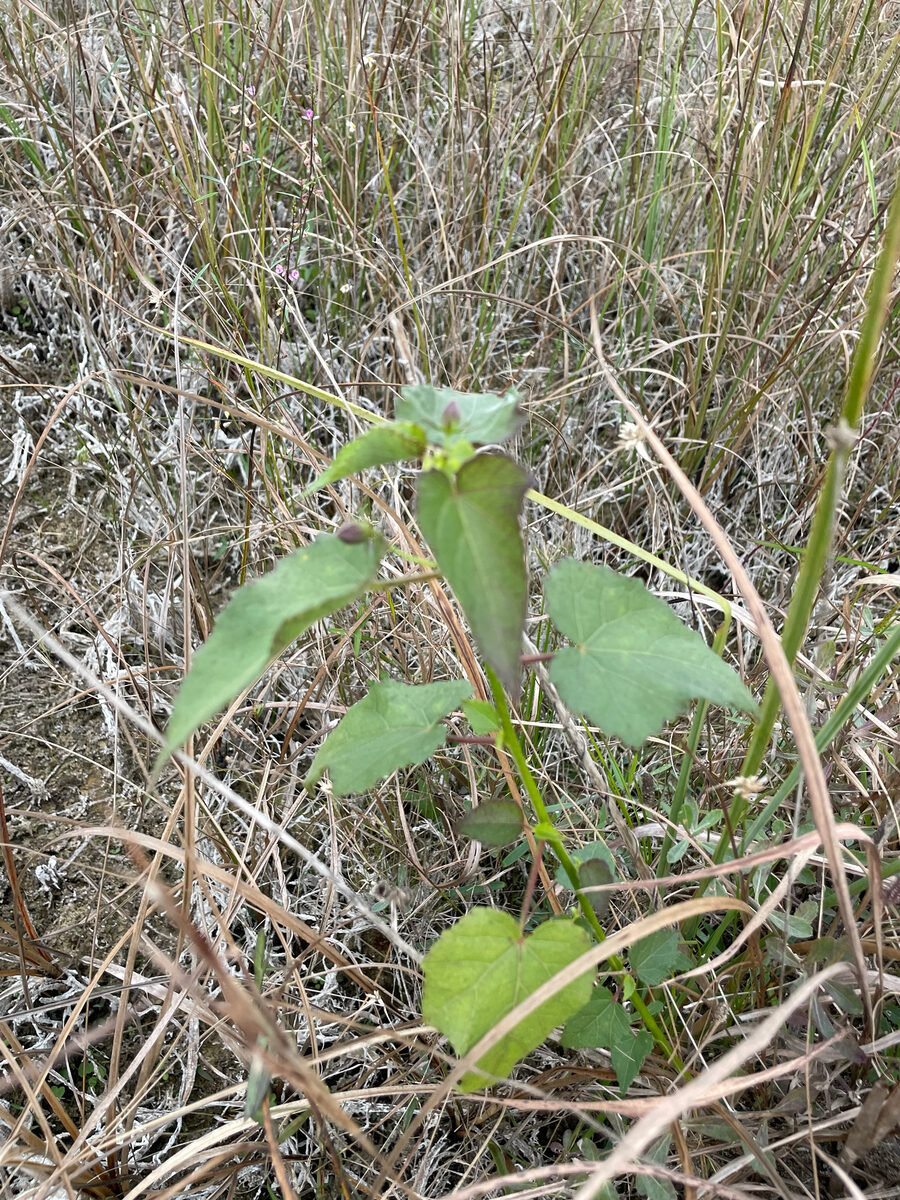
iNaturalist· cc-by-nc-nd
(c) Johannes, some rights reserved (CC BY-NC-ND), uploaded by Johannes
Description
A tropical tree in the Malvaceae family (formerly classified in Bombacaceae, subfamily Bombacoideae).
This description is brief — help expand it
Edible Uses
The seeds and seed oil are edible.
Distribution
It is a tropical plant.
Where It Grows
Amazon, Bolivia, Brazil, Colombia, Peru, South America,
Cultivation
Prefers a sunny position. Prefers a wet, white sandy soil.Plants can withstand seasonal inundation of the soil. Newly planted young trees establish well and grow away very quickly.
Propagation
Seed - it has a short viability and should be sown as soon as it is ripe. Sow in a semi-shaded position in a nursery seedbed. Germination rates are usually in excess of 50%, with the seed sprouting within 10 - 20 days. Seedlings grow away rapidly.
Other Uses
A floss of inferior quality is obtained from the seed pods and is sometimes used as a stuffing material for pillows etc. A fibre obtained from the inner bark is used for cordage. The wood is coarse-textured, straight-grained, light in weight, easy to cut and very susceptible to wood-eating organisms. It has poor mechanical properties and is only used for items such as the core of doors, boxes, toys etc. Traditionally, it is used for making canoes, floats, frames etc. A very fast growing tree that is recommended for reforestation projects along water courses.
Notes
It was in the family Bombacaceae. In the subfamily Bombacoideae.
Synonyms
Also Known As
Algodon de arbol, Munguba, Pretino punga
References (3)
- Kermath, B. M., et al, 2014, Food Plants in the Americas: A survey of the domesticated, cultivated and wild plants used for Human food in North, Central and South America and the Caribbean. On line draft. p 718
- Kew Plants of the World On line
- Roa, J. A. G. & Boada, D. S. G., 2018, Fundación para el Fortalecimiento de la Fruticultura y Plantas Alimenticias no Convencionales en Colombia.