Protium grandifolium
Engl.
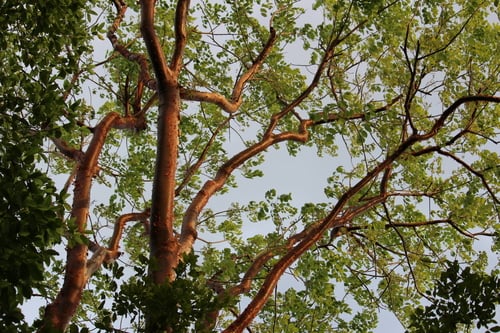
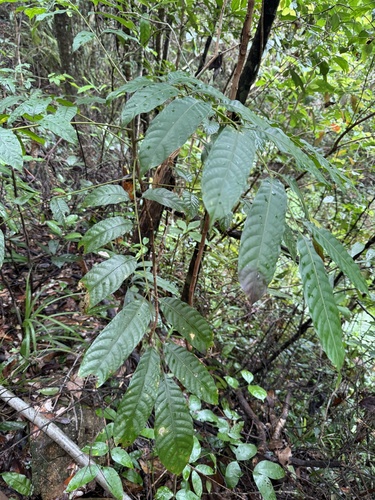
Brea resin tree
wikimedia· cc-by-sa
Wikimedia Commons - Lechele
wikimedia· cc-by-sa
Wikimedia Commons - Guillermo Carlos Gómez
Description
A tropical tree in the Burseraceae family, the brea resin tree produces fruits with an edible fleshy aril layer surrounding the seeds.
This description is brief — help expand it
Edible Uses
The aril (fleshy layer around the seeds) is eaten.
Traditional Uses
The aril or fleshy layer around the seeds is eaten.
This uses section is brief — help expand it
Distribution
It is a tropical plant.
Where It Grows
Amazon, Bolivia, Brazil, Colombia, Ecuador, Peru, South America, Venezuela,
Cultivation
Most, if not all, species in this genus are dioecious, both male and female forms need to be grown if fruit and seed are required.
Other Uses
We have no specific information for this species, but many members of this genus are valued for the whitish and fragrant resin (suggesting incense) that exudes freely from the bark, and which hardens upon exposure to the air. The heartwood is a pinkish brown, occasionally with long, darker brown striping; it is not demarcated from the sapwood. The texture is medium; the grain straight. The wood is medium weight, strong, durable. It is easy to work; and takes a fairly smooth polish. The wood is only used for fuel.
Synonyms
Also Known As
Brea caspi, Breu, Chipodek, Copal, Copal caspi, Copal colorado, Guara
References (5)
- Grandtner, M. M. & Chevrette, J., 2013, Dictionary of Trees, Volume 2: South America: Nomenclature, Taxonomy and Ecology. Academic Press p 537
- Kermath, B. M., et al, 2014, Food Plants in the Americas: A survey of the domesticated, cultivated and wild plants used for Human food in North, Central and South America and the Caribbean. On line draft. p 706
- Kew Plants of the World onLine
- Roa, J. A. G. & Boada, D. S. G., 2018, Fundación para el Fortalecimiento de la Fruticultura y Plantas Alimenticias no Convencionales en Colombia.
- Vasquez, R. and Gentry, A. H., 1989, Use and Misuse of Forest-harvested Fruits in the Iquitos Area. Conservation Biology 3(4): 350f