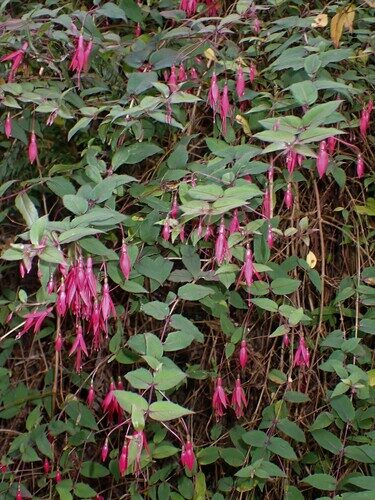
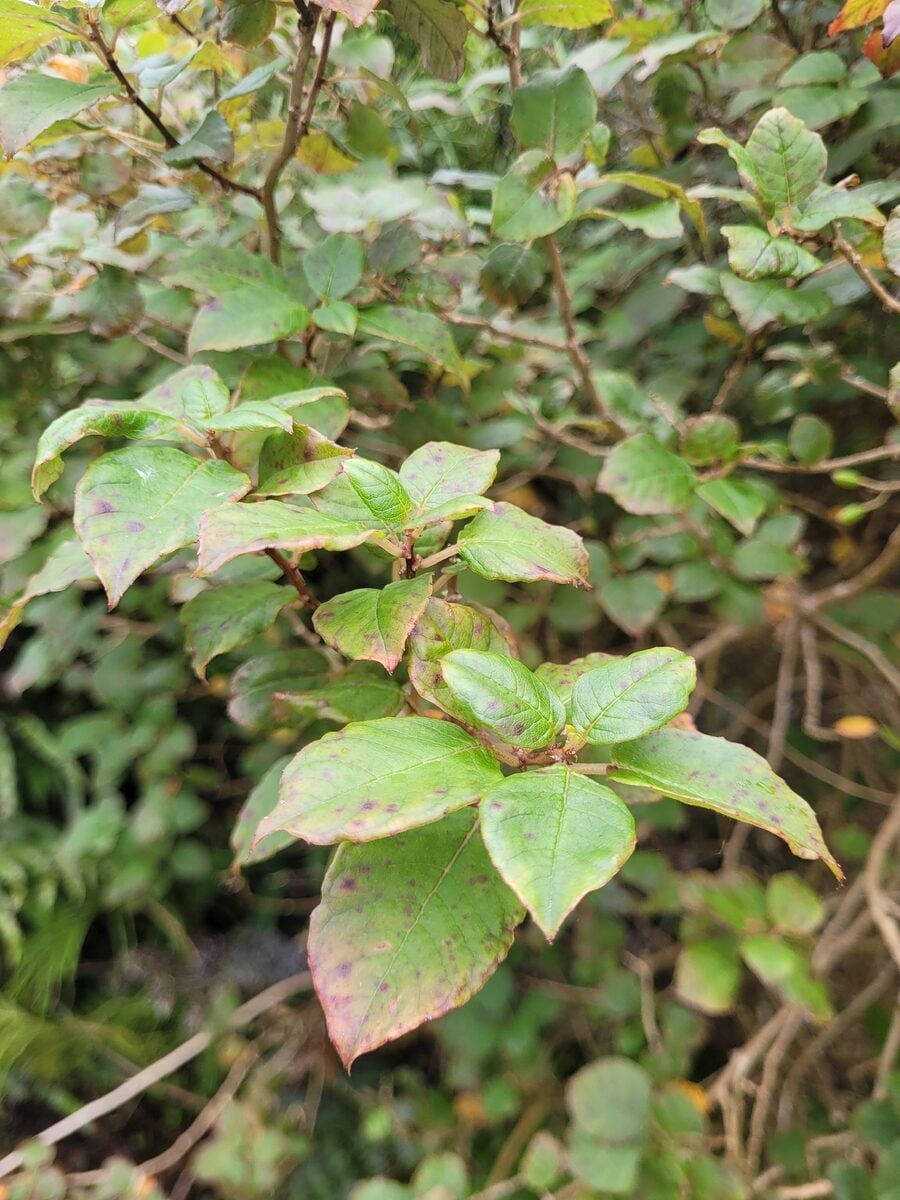
Oenothera villosa subsp. strigosa
(Rydb.) W. Dietr. & P. H. Raven
Evening primrose, Sundrops
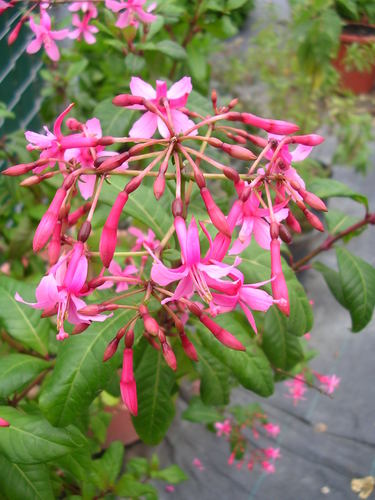
iNaturalist· cc-by-nc
(c) David Martin, some rights reserved (CC BY-NC), uploaded by David Martin
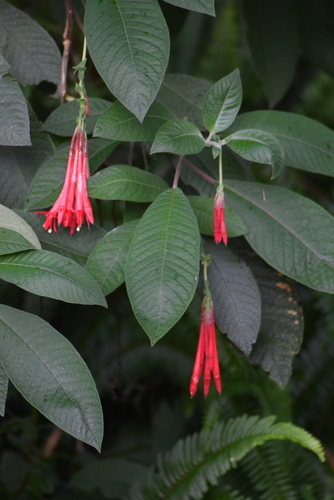
iNaturalist· cc-by-nc
(c) Alexey P. Seregin, some rights reserved (CC BY-NC), uploaded by Alexey P. Seregin
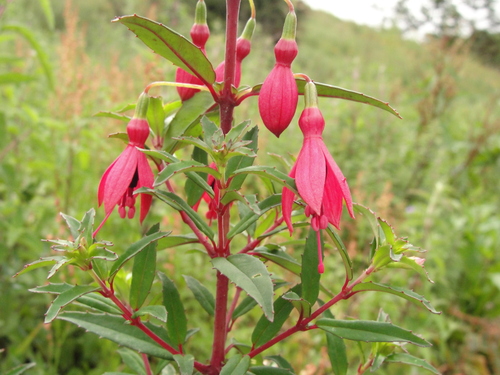
iNaturalist· cc-by-nc
(c) Serge M. Appolonov, some rights reserved (CC BY-NC), uploaded by Serge M. Appolonov
Summary
Source: WikipediaOenothera villosa, the hairy evening primrose, is a species of flowering plant in the family Onagraceae. It is native to nearly all of the United States (except Hawaii, Alaska, Louisiana, Florida, and South Carolina), and to all Canadian provinces and the Northwest Territories. It has been introduced to cool and cold-temperate regions worldwide. An erect biennial reaching 3–6 feet (0.91–1.83 m), it is typically found in open areas and disturbed situations.
Description
A temperate herbaceous plant in the evening primrose family (Onagraceae) with edible leaves, shoots, and roots.
This description is brief — help expand it
Edible Uses
The leaves and shoots are eaten in salads, and the roots are cooked and eaten.
Traditional Uses
The leaves and shoots are eaten in salads. The roots are cooked and eaten.
This uses section is brief — help expand it
Known Hazards
This plant is not as common for use as some other garden or culinary plants, but it has some notable ones. A few people have planted Oenothera Villosa in gardens. This plant can be used to attract butterflies (lepidopterans) and other pollinating insects/birds. The plant has a chemical compound omega fatty-acid called Gamma Linolenic Acid (GLA) that is found in the oil called Evening Primrose Oil (EPO). This oil from a few of the closely related primrose plants including the hairy evening primrose is thought to be an ingredient that is active in some therapeutic medicine. This oil is found in the seeds of this primrose plant. The oil is being used to treat some conditions/disorders that can be targeted by using these helpful omega fatty acids found in the oil. However, the accuracy and efficacy of this oil actually relieving and treating some of these conditions is still being debated among medical people as of 2007. Some treatment uses of EPO are in Assistive Reproductive health Technologies (ART) and medicine. This oil is being used to treat certain reproductive diseases/conditions such as female breast inflammation, Euteral diabetes, other inflammation, and menopause/menstrual disorders. Some women take this oil with the medicine before birth to help with reproductive qualities, and some have not experienced any harmful effects from its use. This oil is prescribed for these illnesses due to its potential benefits in this field, so this is not 100 percent proven to help with these conditions.
Distribution
It is a temperate plant.
Where It Grows
North America,
Synonyms
References (1)
- Kermath, B. M., et al, 2014, Food Plants in the Americas: A survey of the domesticated, cultivated and wild plants used for Human food in North, Central and South America and the Caribbean. On line draft. p 581