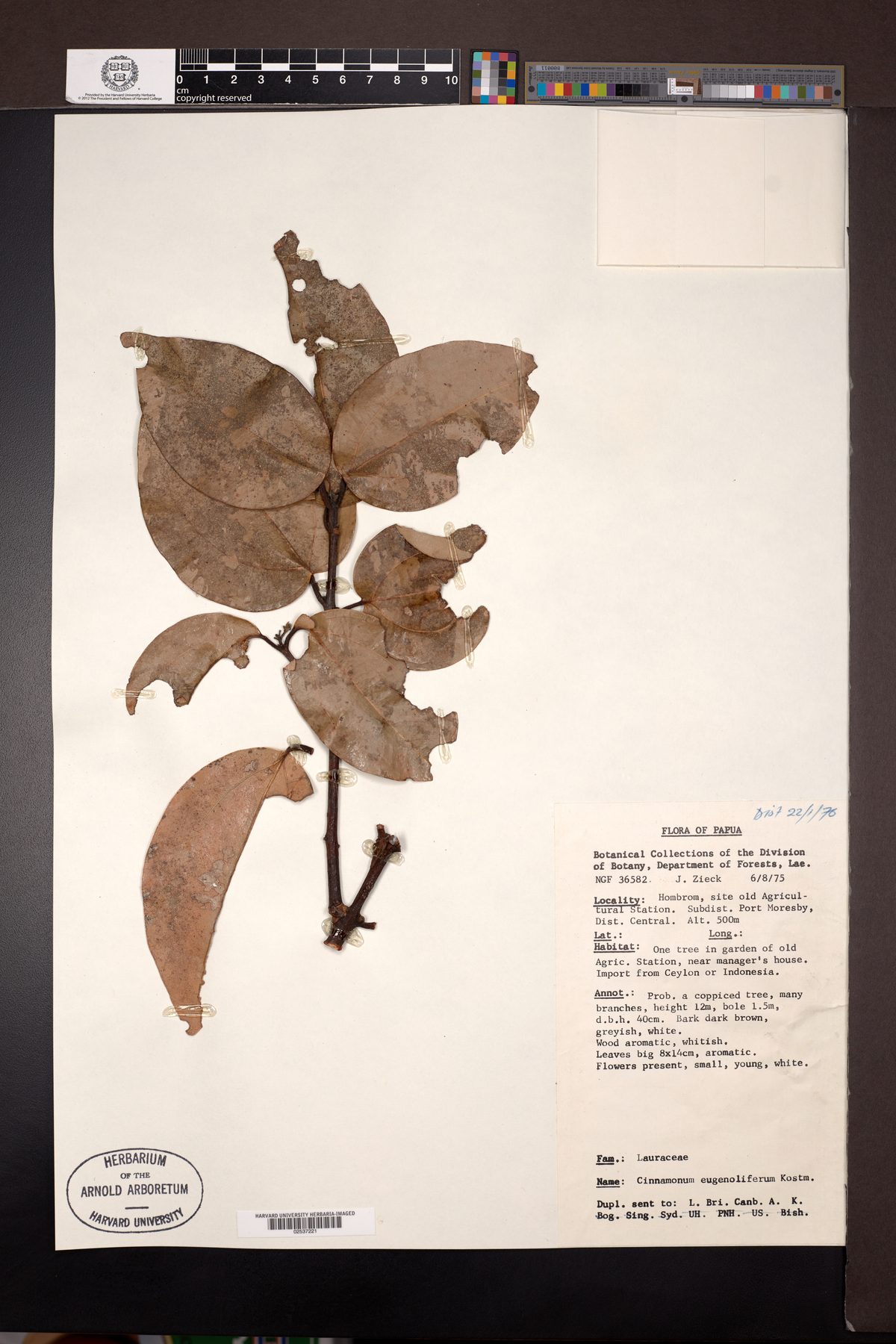
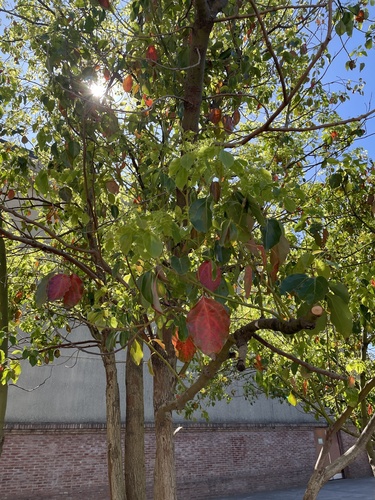
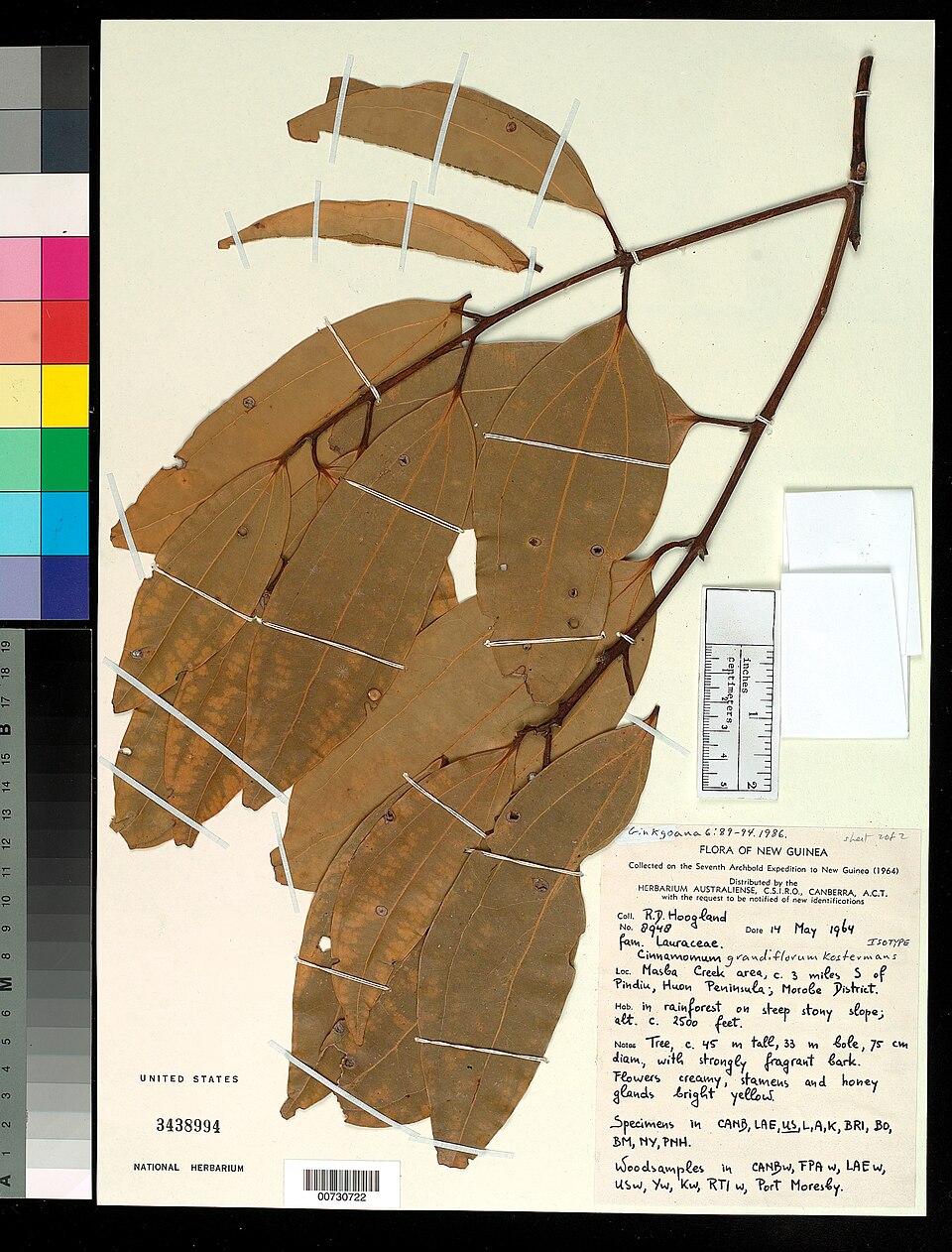
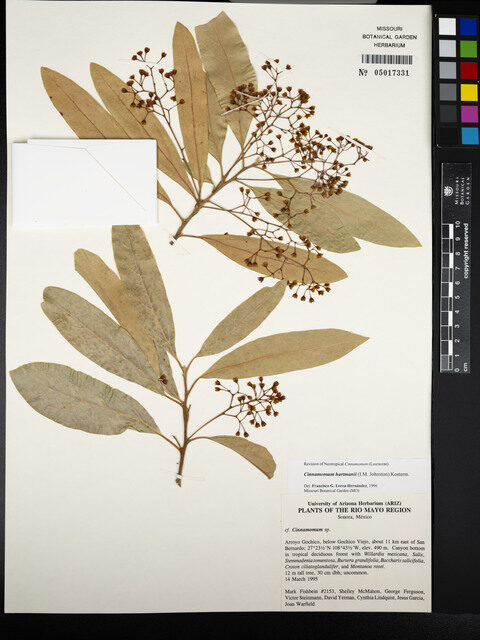
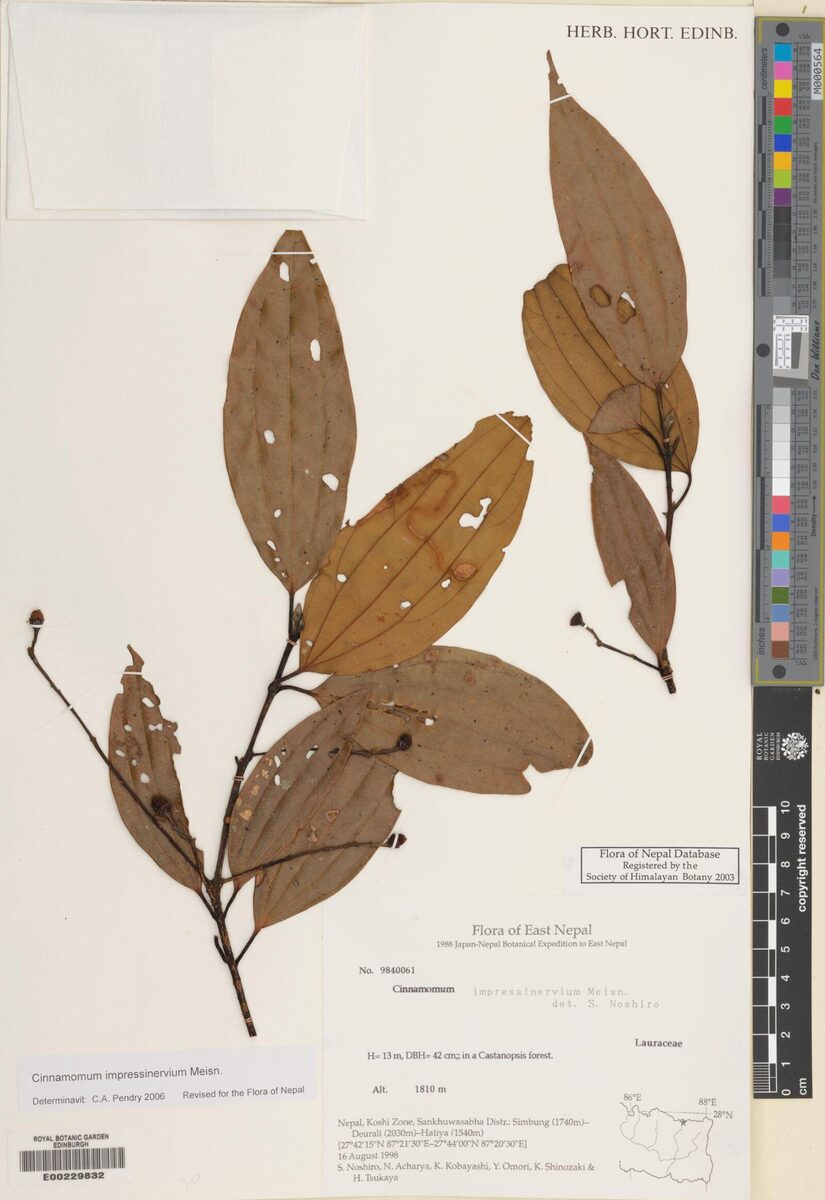
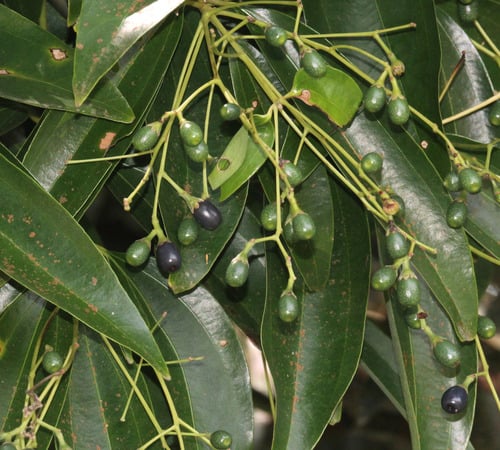
Licaria triandra
(Sw.) Kosterm.
Florida licaria, Gulf licaria
iNaturalist· cc-by-nc
(c) 101164065346884869793, some rights reserved (CC BY-NC), uploaded by 101164065346884869793
iNaturalist· cc-by-nc
(c) Germaine Alexander Parada, some rights reserved (CC BY-NC), uploaded by Germaine Alexander Parada
Description
Licaria triandra, also called Florida licaria or Gulf licaria, is a tropical tree in the laurel family.
This description is brief — help expand it
Edible Uses
The bark, leaves, and spice are used as edible portions.
Distribution
It is a tropical plant.
Where It Grows
Amazon, Andes, Bolivia, Brazil, Central America, Colombia, Costa Rica, Cuba, Dominican Republic, Ecuador, Guatemala, Haiti, Jamaica, Mexico, North America, Panama, Peru, Puerto Rico, South America, USA, Venezuela, West Indies,
Cultivation
All parts of the plant have a spicy aroma.
Other Uses
The wood is described as ash coloured or greenish yellow. It is strong and heavy. It is used for posts, matches and matchboxes, and is said to be suitable for interior construction. We have no more information on the wood of this species. However, a general description of the wood in this genus is as follows:- The heartwood is orange or brown-yellow when freshly cut, darkening on exposure to yellowish-brown or coffee-brown and sometimes with a tinge of red or violet; the sapwood is light yellowish-brown. The texture is fine to medium; grain straight to slightly interlocked; lustre moderate; there is a fragrant odour from the fresh wood, most of which is lost on drying. The wood has an excellent resistance to both brown-rot and white-rot fungi; it is also rated very high resistance to dry-wood termites, but there is little resistance to attack by marine borers. Air seasoning characteristics are variable depending upon the source and the species, ranging from easy to season to moderately difficult; warp is slight but checking can be severe. The high density material is difficult to work but cuts smoothly; it tends to splinter in boring; it requires care in gluing; takes an excellent finish. The wood is used for making furniture, turnery, boat building, heavy construction, and parquet flooring.
Synonyms
Also Known As
Aguacatillo, Cancia, Canela moena, Cigna gorrita, Cigua prieta, Guipro, Ishpingo, Latero, Lorie, Misanteco, Okatawe
References (1)
- Grandtner, M. M. & Chevrette, J., 2013, Dictionary of Trees, Volume 2: South America: Nomenclature, Taxonomy and Ecology. Academic Press p 356