Eleutherine bulbosa
(Mill.) Urb.
iNaturalist· cc-by-nc
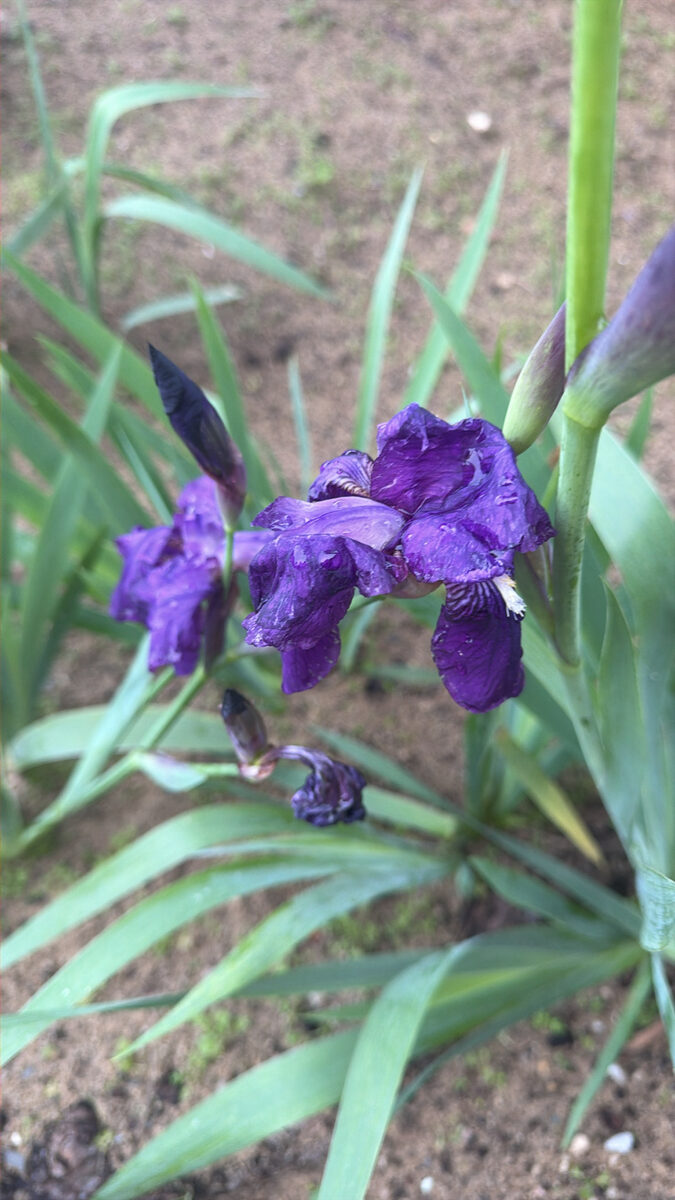
(c) Guilherme A. Fischer, some rights reserved (CC BY-NC), uploaded by Guilherme A. Fischer
iNaturalist· cc-by-nc
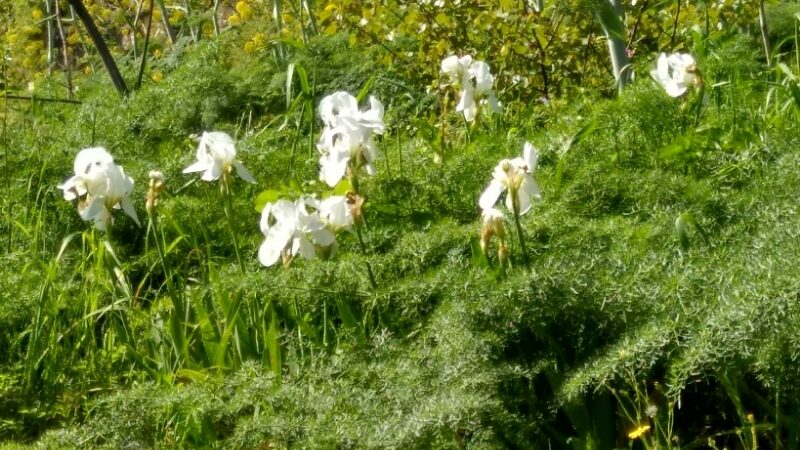
(c) Guilherme A. Fischer, some rights reserved (CC BY-NC)
Summary
Source: WikipediaEleutherine bulbosa is an herbaceous, perennial flowering plant species in the family Iridaceae. Among Spanish-speakers, the plant is known as lagrimas de la virgen ("tears of the virgin"). Like other Eleutherine species, E. bulbosa has a bulbous rootstock; a large subapical cauline leaf; and small, white, stellate, evening-blooming flowers. E. bulbosa grows in southern Mexico and in the Amazon rainforest, within the borders of Peru, Bolivia, Ecuador, Guyana, Suriname, and French Guiana, in addition to the Brazilian states of Amapá and Acre. It is widely cultivated for its medicinal properties. Like E. latifolia, E. bulbosa has a basic chromosome number of x=6 (2n=12); it also has a similar bimodal karyotype, which is distinctive to this plant tribe (Tigridieae); all other genera of the tribe have x=7. Usually, E. bulbosa has a heteromorphic long chromosome pair, the result of a pericentric inversion in one of the long chromosomes, which makes it sexually sterile. Rahenna described a subspecies in 1965: E. bulbosa subsp. citriodora.
Description
A perennial bulb-forming herb in the Iridaceae family found in subtropical regions, growing between 500-2,000 m elevation in Argentina.
This description is brief — help expand it
Edible Uses
The bulbs are edible.
Medicinal Uses
The bulbs are antibacterial, demulcent and haemostatic. They are used in the Ireatment of a wide range of conditions including sore throat, pertussis, boils, impetigo, jaundice, haemoptysis, uterine haemorrhage, trauma, wounds, abortion, anaemia, headache and photopsia, and also in inserting and intra-uterine device. The red bulb is crushed and mixed with water then drunk to kill intestinal parasites and worms. The sap is mixed with salt and used as a remedy for epileptic fits. It is also sometimes mixed with rum and rubbed on the body for that same purpose. Applied externally, the bulb is used in the form of a plaster to treat sprains, to encourage cicatrization of wounds, and for tired blood. The pulverised pulp of the bulb is mixed with oil to which a cockroach is added, and used to treat an infected wound caused by rusty nail. The bulb is widely documented in the literature and in herbaria as a treatment for bloody diarrhoea, haemorrhagia and open wounds, and even as a contraceptive. It is taken in order to procure an abortion up to the third or fourth month of pregnancy. The bulbs, harvested when the plants begin to wither, are well washed, cut into thin slices and dried at a low temperature The root is used in the treatment of female infertility and haemorrhages. The plant (part not specified) is used as a diuretic. The bulb contains chrysophanol naphthoquinones and anthraquinones.
Distribution
It is a subtropical plant. In Argentina it grows between 500-2,000 m above sea level.
Where It Grows
Argentina, Brazil, Central America, Mexico, Paraguay, South America,
Cultivation
Grows best in full sun. The plant has escaped from cultivation and become naturalized in the Philippines and Indochina, and is cultivated in Kwazulu, South Africa, where it is also used medicinally.
Propagation
Seed - usually a sexually sterile plant, it does not often form seed.
Synonyms
Also Known As
Tsakam apats'
References (1)
- Kermath, B. M., et al, 2014, Food Plants in the Americas: A survey of the domesticated, cultivated and wild plants used for Human food in North, Central and South America and the Caribbean. On line draft. p 334