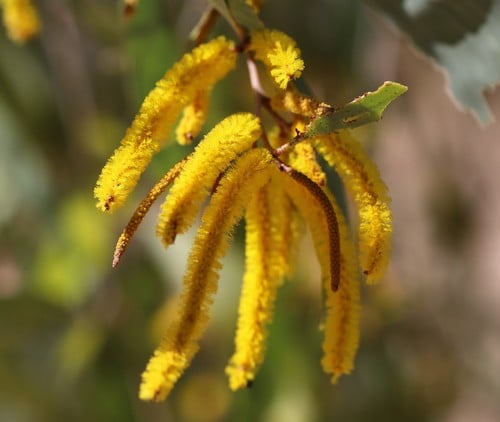
Diplotropis martiusii
Benth.
iNaturalist· cc-by-nc
(c) esa_bt, some rights reserved (CC BY-NC)
iNaturalist· cc-by-nc
(c) esa_bt, some rights reserved (CC BY-NC)
Description
A large tropical tree reaching 25 m tall with a trunk 40-60 cm across, found in occasionally flooded forests below 500 m elevation.
This description is brief — help expand it
Edible Uses
The ash from the leaves is used as a spicy vegetable salt and is chewed with coca leaf.
Traditional Uses
The ashes from the leaves are used as a spicy vegetable salt. It is chewed with coca leaf.
This uses section is brief — help expand it
Medicinal Uses
Traditional medicinal use is documented.
Distribution
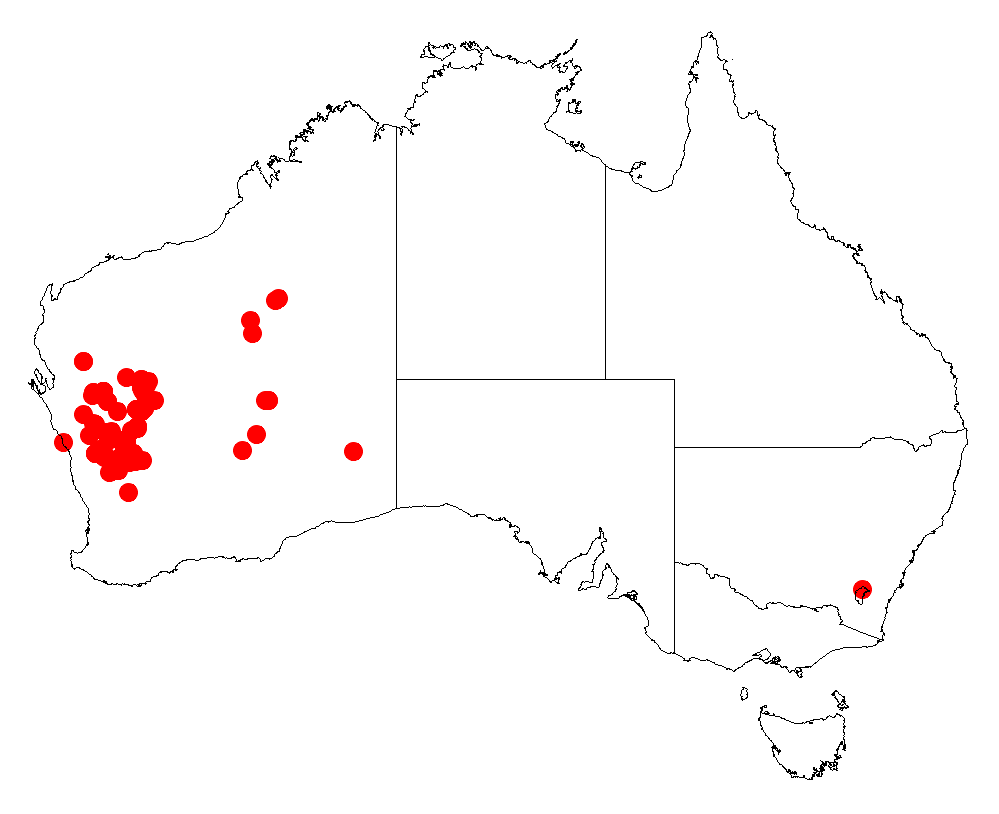
It is a tropical plant. It grows below 500 m above sea level in forests that are occasionally flooded.
Where It Grows
Amazon, Brazil, Colombia, Guyana, Peru, South America, Venezuela,
Cultivation
This species has a symbiotic relationship with certain soil bacteria; these bacteria form nodules on the roots and fix atmospheric nitrogen. Some of this nitrogen is utilized by the growing plant but some can also be used by other plants growing nearby.
Propagation
Seed - best sown as soon as it is ripe in a lightly shaded position in a nursery seedbed. Germination rates are usually high, with the seed sprouting within 14 - 21 days. Prick out the seedlings into individual containers when they are 4 - 5cm tall and they should be ready to plant out 5 - 6 months later.
Other Uses
The heartwood is dark brown to reddish brown, with lighter, thin veins; it is clearly demarcated from the 1 - 2cm wide band of sapwood. The texture is medium; the grain straight or interlocked. The wood is heavy, very hard, elastic; very durable, being resistant to fungi, dry wood borers and termites. It seasons fairly slowly with only a slight risk of distortion or checking; once dry it is poorly to moderately stable in service. It has a fairly high blunting effect upon tools - stellite-tipped and tungsten carbide tools are recommended; there are simetimes difficulties due to the interlocked grain; a good finish can be obtained with fillers; nailing and screwing are good, but pre-boring is required; gluing is correct for interior use only. The wood has many uses, including for high class furniture, cabinetwork, flooring, stairs, heavy carpentry, interior and exterior joinery and panelling, ship building, turnery.
Synonyms
Also Known As
Chonta quiro
References (1)
- Kermath, B. M., et al, 2014, Food Plants in the Americas: A survey of the domesticated, cultivated and wild plants used for Human food in North, Central and South America and the Caribbean. On line draft. p 314