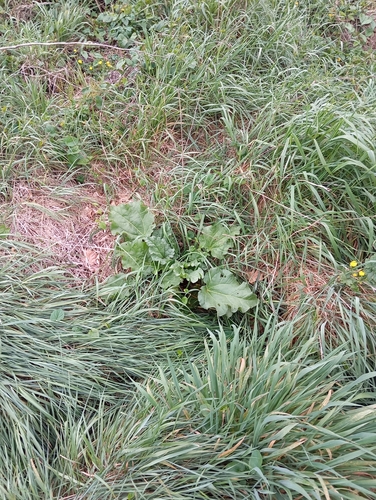
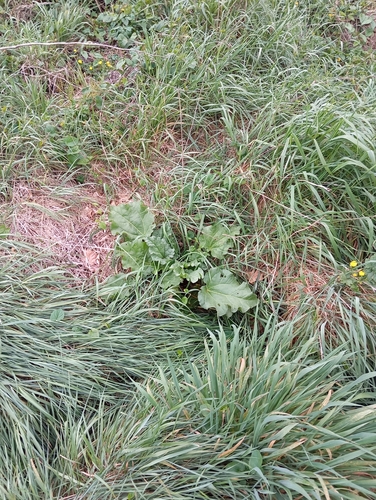
Polygonum macrophyllum
D. Don
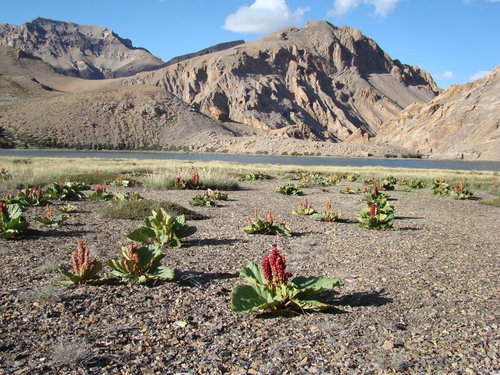
iNaturalist· cc-by-nc
(c) T. Abe Lloyd, some rights reserved (CC BY-NC)
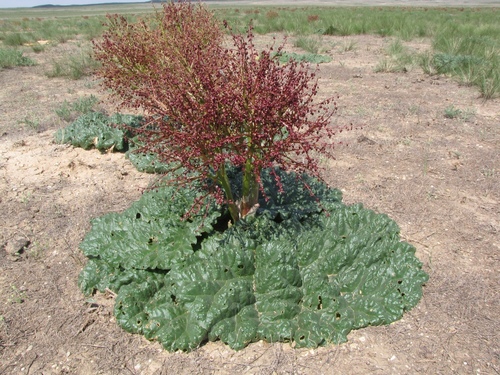
iNaturalist· cc-by-nc
(c) T. Abe Lloyd, some rights reserved (CC BY-NC)
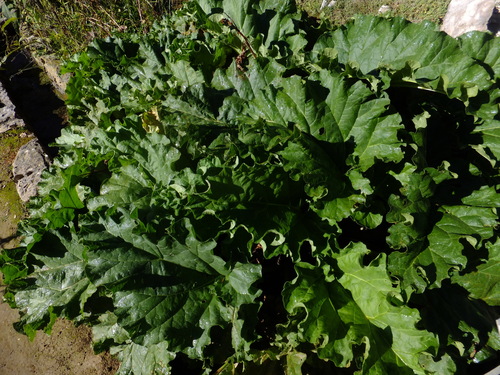
iNaturalist· cc-by-nc
(c) T. Abe Lloyd, some rights reserved (CC BY-NC)
Description
A small herb. It keeps growing from year to year. It has a thick fibrous rootstock. The stems are 10-15 cm tall. The leaves are oblong to sword shaped and have parallel sides. They are 3-12 cm long by 0.1-3 cm wide and the base is rounded or heart shaped. They are hairy underneath. The flowers are pink or red. They are in groups 2-7 cm long at the top of the plant.
Edible Uses
The roots are eaten fresh or crushed and eaten with barley or maize. The seeds are ground to make flour and are a significant food source.
Traditional Uses
The roots are eaten fresh. They are also crushed and eaten with barley or maize. The seeds are ground to make flour.
This uses section is brief — help expand it
Distribution
It is a temperate plant. In Sichuan. In Nepal it grows between 2,700-4,500 m above sea level.
Where It Grows
Asia, Bhutan, China, Himalayas, India, Northeastern India, Sikkim, Tibet,
Other Information
The seeds are a significant food.
Synonyms
Also Known As
Ban jia lin bu, Rong bu, Spang ram
References (3)
- Boesi, A., 2014, Traditional knowledge of wild food plants in a few Tibetan communities. Journal of Ethnobiology and Ethnomedicine 10:75
- Chen, W., et al, 2021, Wild plants used by the Lhoba people in Douyu Village, characterized by high mountains and valleys, in southeastern Tibet, China. Journal of Ethnobiology and Ethnomedicine (2021) 17:46
- Guo, C., et al, 2022, An Ethnobotany Survey of Wild Plants Used by the Tibetan People of the Yadong River Valley, Tibet, China. Journal of Ethnobiology and Ethnomedicine p 27