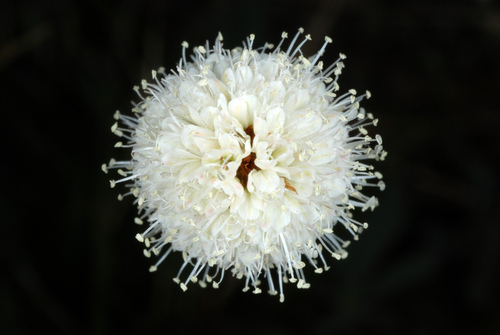
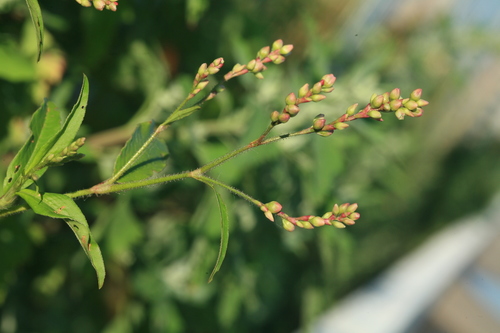
Rheum webbianum
Royle
Himalayan rhubarb
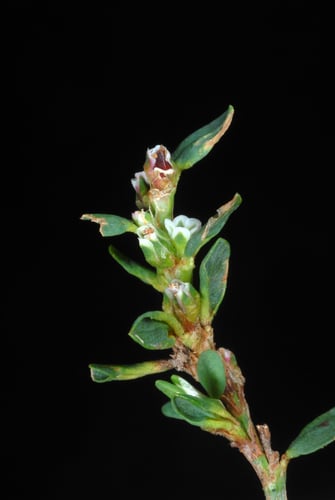
iNaturalist· cc-by-sa
(c) Syrio, some rights reserved (CC BY-SA)
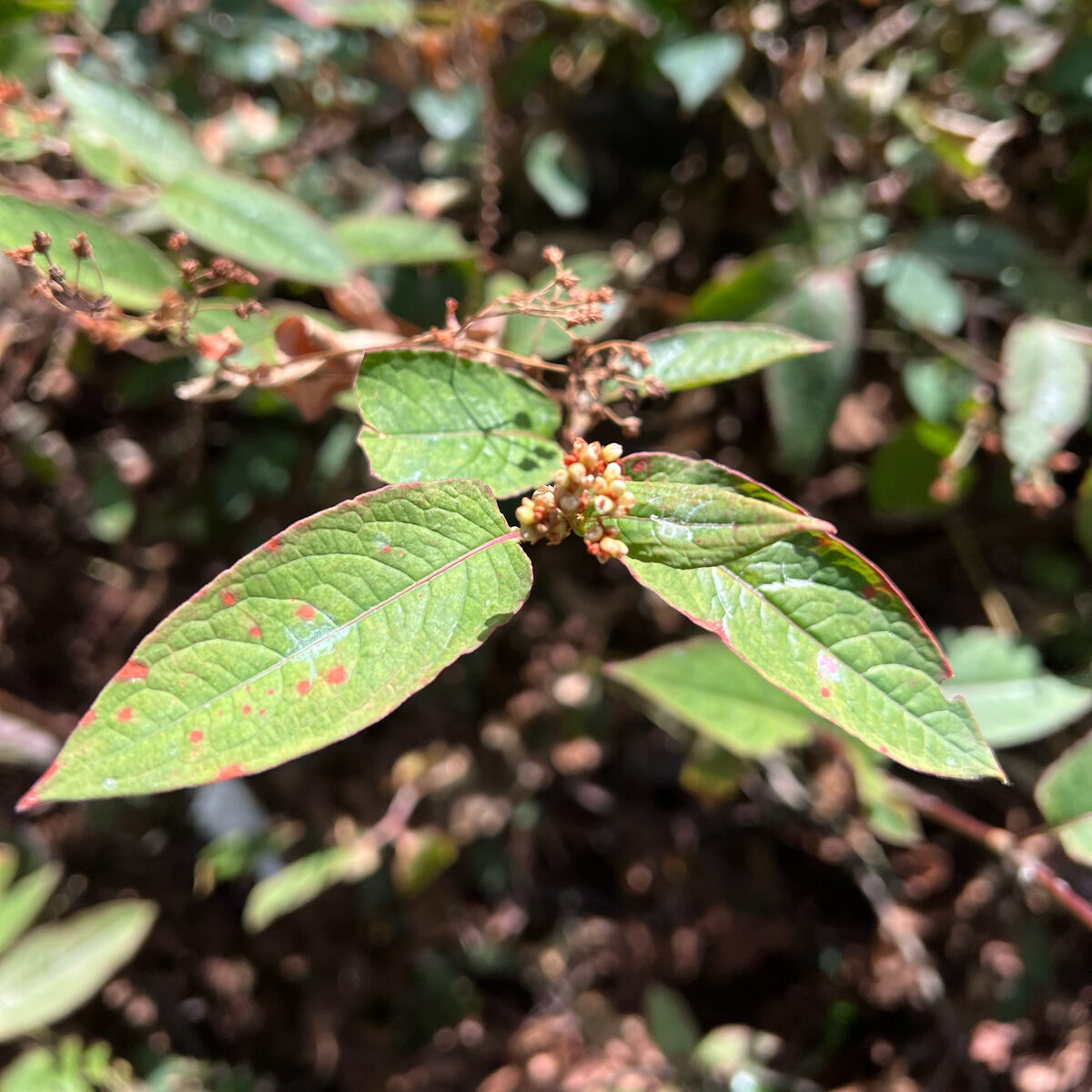
iNaturalist· cc-by-sa
(c) Syrio, some rights reserved (CC BY-SA)
Summary
Source: WikipediaRheum webbianum is a species of herbaceous perennial rhubarb-relative in the family Polygonaceae from the southwestern Himalayan region, known in (Indian) English as Indian rhubarb, Gilgiti rhubarb or small Himalayan rhubarb.
Description
A stout succulent herb. It grows 0.3-2 m tall. The leaves come from the base. The leaf stalks are 30-45 cm long. The leaf blade is leathery and round to kidney shaped. They are 10-50 cm across. The flowers are pale yellow or dark red.
Edible Uses
Like Rheum australe, the roots of this species are harvested from the wild to make the drug Indian rhubarb; this was formerly an important drug in Western medicine, and is still used in Unani medicine. In Pakistan locals eat the leaf stalk cooked as in the West. The root is used as a purgative. In the Chitral valley the stems of the unripe inflorescence and leaf stalks are also eaten raw for the taste. Poor children collect the plant from the wild to sell in the market for money.
Traditional Uses
The young shoots, flower spikes and leaves are cooked as a vegetable. The leaf stalks are eaten raw or cooked. They are used like rhubarb. They are also used in chutney.
Distribution
It is a temperate plant. They grow between 3000-4000 m altitude in Uttar Pradesh in India. In western China it grows between 3,500-3.600 m above sea level.
Where It Grows
Asia, China, Himalayas, India, Nepal, Pakistan,
Also Known As
Archu, Cheeming, Chu-rtsa, Dolu, Lachu, Padamchal
References (10)
- Ambasta S.P. (Ed.), 2000, The Useful Plants of India. CSIR India. p 520
- Ballabh, B., et al, 2007, Raw edible plants of cold desert Ladakh. Indian Journal of Traditional Knowledge. 6(1) pp 182-184
- Dobriyal, M. J. R. & Dobriyal, R., 2014, Non Wood Forest Produce an Option for Ethnic Food and Nutritional Security in India. Int. J. of Usuf. Mngt. 15(1):17-37
- Flora of China @ efloras.org Volume 5
- Flora of Pakistan. www.eFloras.org
Show all 10 references Hide references
- Ill. bot. Himal. Mts. 1:318. 1836; 2: t. 99. 1839
- Misra, S. et al, 2008, Wild leafy vegetables: A study of their subsistence dietetic support to the inhabitants of Nanda Devi Biosphere reserve, India. Journal of Ethnobiology and Ethnomedicine. 4:15
- Negi, K.S., 1988, Some little known wild edible plants of U.P. Hills. J. Econ. Tax. Bot. Vol. 12 No. 2 pp 345-360
- Reis, S. V. and Lipp, F. L., 1982, New Plant Sources for Drugs and Foods from the New York Botanical Garden herbarium. Harvard. p 53
- Sharma, L. et al, 2018, Diversity, distribution pattern, endemism and indigenous uses of wild edible plants in Cold Desert Biosphere Reserve of Indian Trans Himalaya. Indian Journal of Traditional Knowledge. Vol 17(1) January 2018 pp 122-131