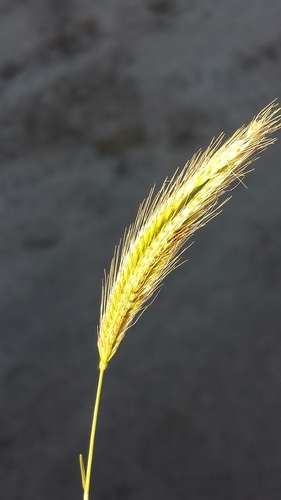
Bambusa emeiensis
L. C. Chia & H. L. Fung.
iNaturalist· cc-by-nc
(c) catiscat, some rights reserved (CC BY-NC), uploaded by catiscat
wikimedia· cc0
Wikimedia Commons - Daderot
Description
A bamboo. It grows 5-10 m tall. The stems are 5-8 cm across. The tips hang down. The internodes are 15-30 cm long. Branches are higher up the stem.
Edible Uses
The flowers are eaten.
Distribution
It is a subtropical plant. It grows in river valleys and hilly areas between 800-2,100 m above sea level. In Sichuan and Yunnan.
Where It Grows
Asia, China,
Cultivation
Bamboos have an interesting method of growth. Each plant produces a number of new stems annually - these stems grow to their maximum height in their first year of growth, subsequent growth in the stem being limited to the production of new side branches and leaves. In the case of some mature tropical species the new stem could be as much as 30 metres tall, with daily increases in height of 30cm or more during their peak growth time. This makes them some of the fastest-growing species in the world. Bamboos in general are usually monocarpic, living for many years before flowering, then flowering and seeding profusely for a period of 1 - 3 years before usually dying.
Propagation
Seed - surface sow in containers as soon as it is ripe, preferably at a temperature around 20°c. Do not allow the compost to dry out. Germination usually takes place fairly quickly so long as the seed is of good quality, though it can take 3 - 6 months. Prick out the seedlings into containers when they are large enough to handle and grow on in a lightly shaded place until large enough to plant out. Plants only flower at intervals of many years and so seed is rarely available. Division as new growth commences. Take divisions with at least three canes in the clump, trying to cause as little root disturbance to the main plant as possible. Grow them on in light shade in pots of a high fertility sandy medium. Mist the foliage regularly until plants are established. Plant them out into their permanent positions when a good root system has developed, which can take a year or more. Plants can be propagated vegetatively by rhizome, culm and branch cuttings. The propagules are raised in a nursery and after they have produced roots and developed rhizomes they are planted out in the field during the rainy season in pits filled with a mixture of compost and soil.
Other Uses
The canes have been used for various purposes, from household weaving to agricultural tools. The plant is used to protect the soil from erosion.
References (1)
- Liu, Yi-tao, & Long, Chun-Lin, 2002, Studies on Edible Flowers Consumed by Ethnic Groups in Yunnan. Acta Botanica Yunnanica. 24(1):41-56 (As Sinocalamus affinis)