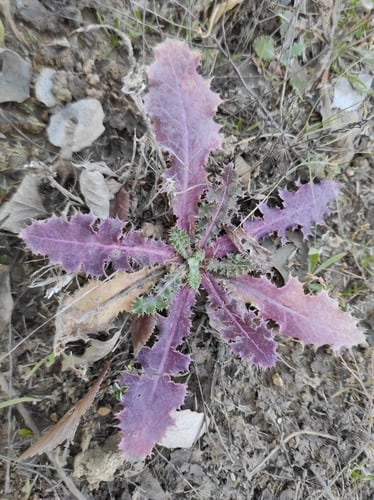
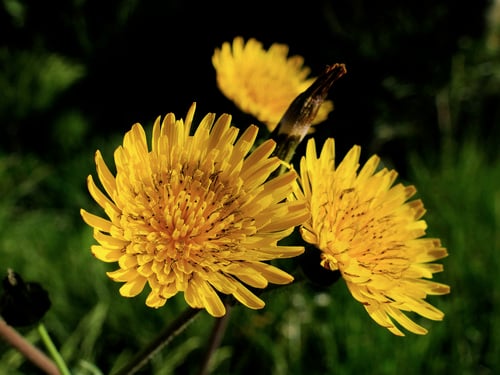
Saussurea laniceps
Hand.-Mazz.
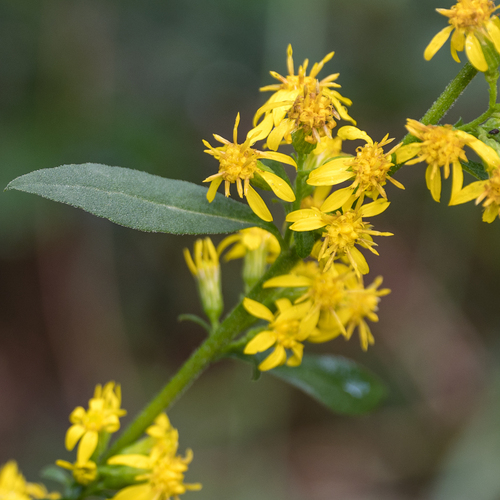
iNaturalist· cc-by-nc
(c) Mahi Puri, some rights reserved (CC BY-NC), uploaded by Mahi Puri
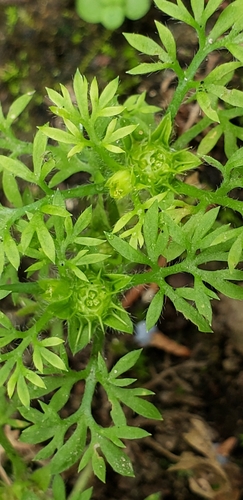
iNaturalist· cc-by-nc-sa
(c) Phuentsho, some rights reserved (CC BY-NC-SA)
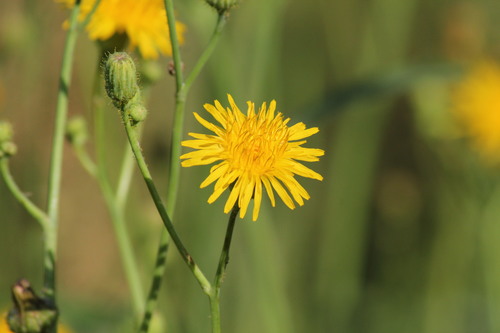
iNaturalist· cc-by-nc
(c) Andrew Babson, some rights reserved (CC BY-NC)
Summary
Source: WikipediaSaussurea laniceps (common name cotton-headed snow lotus, simplified Chinese: 绵头雪兔子; traditional Chinese: 綿頭雪兔子; lit. 'cotton head(ed) snow rabbit') is a rare snow lotus found only in the Himalayas including Nepal southwest China (in Sikkim in India and in Sichuan, Tibet and Yunnan in China). It might also occur in northern Burma. It grows above about 3,200 m (10,500 ft) altitude on alpine scree slopes. It is reputed to have medicinal properties according to traditional Chinese medicine. Among the snow lotus, Saussurea laniceps is proven to be more effective for its anti-inflammatory and anti-nociceptive effects.
Description
A herb. It grows 15-45 cm tall. It keeps growing from year to year. The stem occurs singly and is 2 cm across. It is hidden by the leaves. There is a ring of leaves at the base as well as leaves on the stem. These have leaf stalks. The leaves are narrowly oval and 5-15 cm long by 1-2 cm wide. There is a brownish white coating underneath the leaves. There are several flower heads in an arrangement 8 cm across.
Edible Uses
The flowers are edible.
Distribution
It is a temperate plant. It grows in Tibet on alpine scree slopes between 3,200-5,500 m above sea level. In Yunnan.
Where It Grows
Asia, China, Himalayas, India, Northeastern India, Sikkim, Tibet,
References (1)
- Liu, Yi-tao, & Long, Chun-Lin, 2002, Studies on Edible Flowers Consumed by Ethnic Groups in Yunnan. Acta Botanica Yunnanica. 24(1):41-56