Rubus obcordatus
(Franch.) Thuan
iNaturalist· cc0
no rights reserved
iNaturalist· cc0
no rights reserved
iNaturalist· cc0
no rights reserved
Description
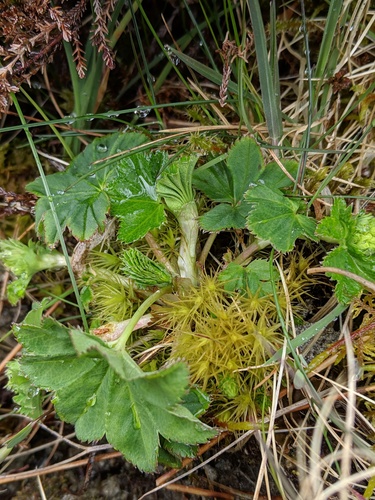
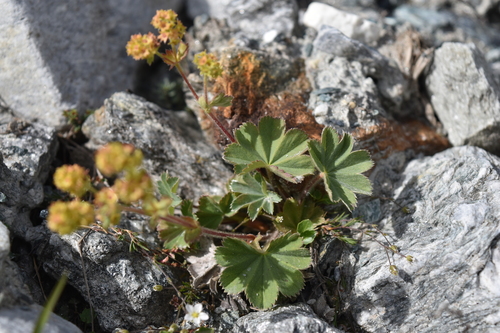
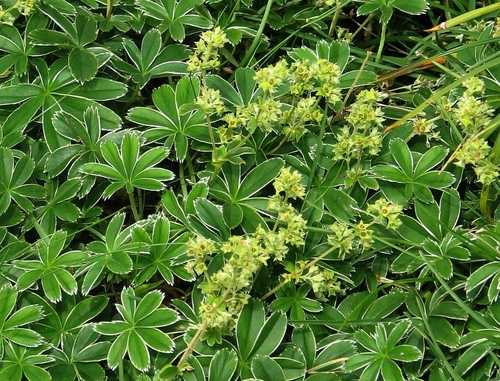
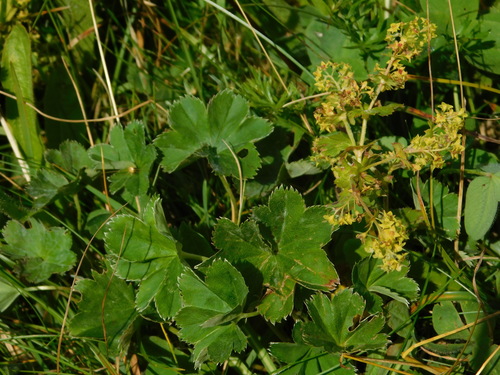
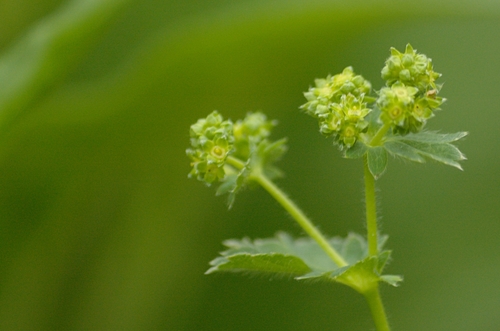
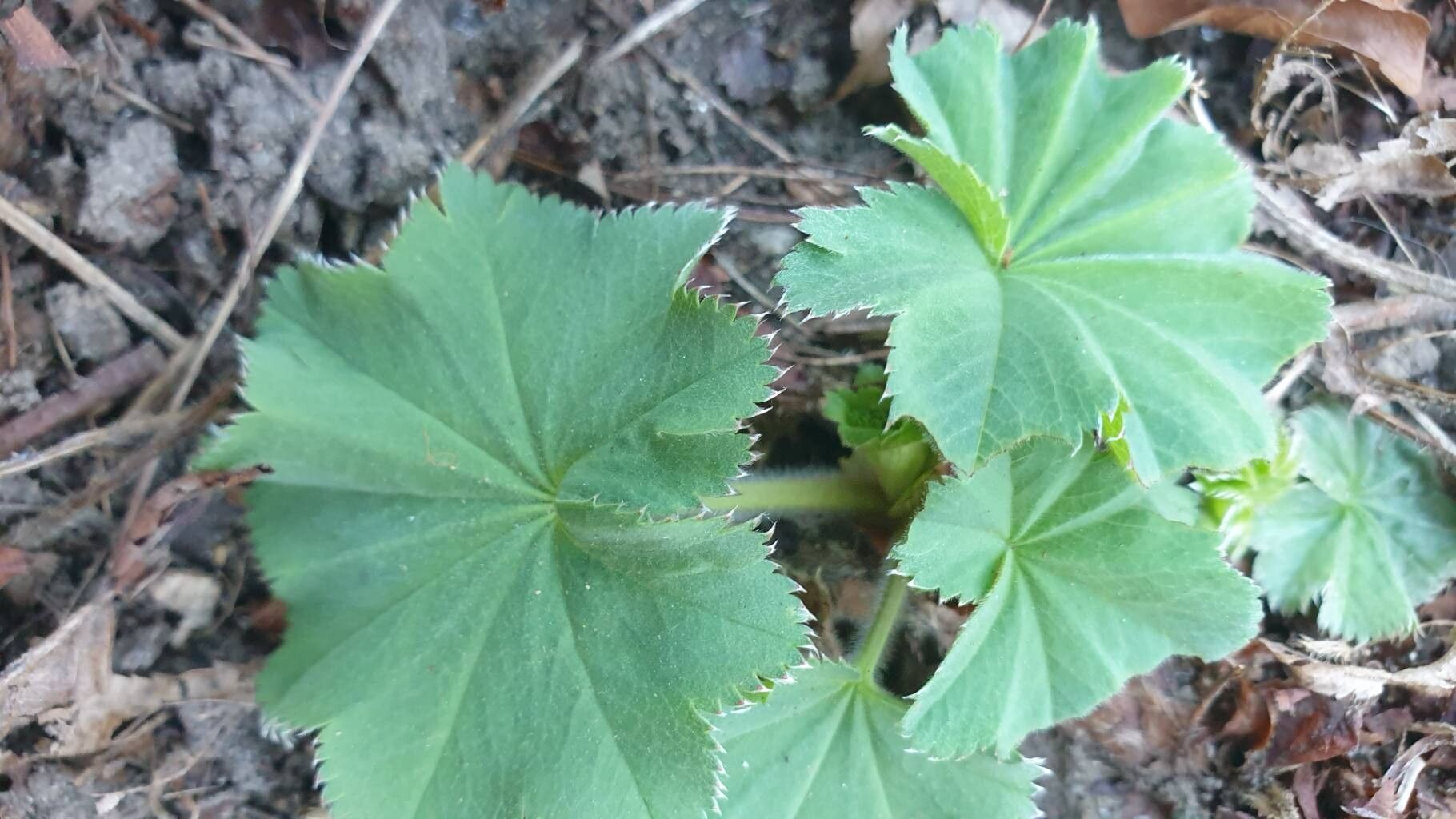
A bramble. The leaflets have white hairs underneath. The flowers are white. The fruit are yellow.
This description is brief — help expand it
Edible Uses
The flowers are edible.
Medicinal Uses
Nepali farmers have had limited success in harvesting and fermenting the aiselu fruit to produce a fruit wine. In Sikkim, its roots are used to treat stomach pain and headaches, and its fruits are used to treat indigestion. The bark from this plant is used for medical reasons in Tibetan villages, mainly as a renal tonic and an antidiuretic. Its juices can be used to treat coughs, fevers, colic and sore throat. The plant can be used to make a bluish-purple dye. The fruits of golden Himalayan raspberry was recorded as rich source of phenolics, Beta carotenes, ascorbic acid (vitamin C), many other important metabolites and antioxidants. The leaves contain various helpful properties as well. The fruit extracts of R. ellipticus contain antimicrobial properties (Ding et al. 2008).
Distribution
It is a tropical plant. In VIetnam it is recorded at 1,000 m above sea level. In Yunnan.
Where It Grows
Asia, China, Indochina, Nepal, SE Asia, Vietnam,
Dangerous Lookalikes
This plant can be confused with the following toxic species. Always verify identification carefully before consuming any wild plant.
Red Baneberry
Actaea rubra
Walter Siegmund (talk)
Rubus obcordatus
Rubus obcordatus
no rights reserved
Red Baneberry: Short herbaceous plant (no thorns), berries on thick red stems, each berry has a single seed, compound sharply-toothed leaves.
Rubus obcordatus: Thorny woody canes (brambles), aggregate berry made of many drupelets, berries pull easily from receptacle.
Also Known As
Dum tim
References (2)
- Karki, S., et al, 2017, Minor Fruits in Nepal: Utilization and Conservation Efforts. Proceedings of 2nd National Workshop on CUAPGR, 2017.
- Liu, Yi-tao, & Long, Chun-Lin, 2002, Studies on Edible Flowers Consumed by Ethnic Groups in Yunnan. Acta Botanica Yunnanica. 24(1):41-56