Dysoxylum cauliflorum
Hiern
Banga tree, Mensiah tree
iNaturalist· cc-by-nc
(c) ywlong, some rights reserved (CC BY-NC)
iNaturalist· cc-by-nc
(c) ntle04, some rights reserved (CC BY-NC)
iNaturalist· cc-by-nc
(c) HP Lim, some rights reserved (CC BY-NC)
Description
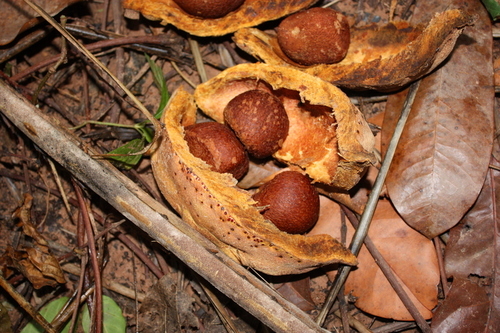
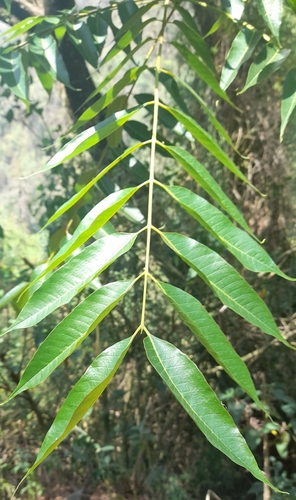
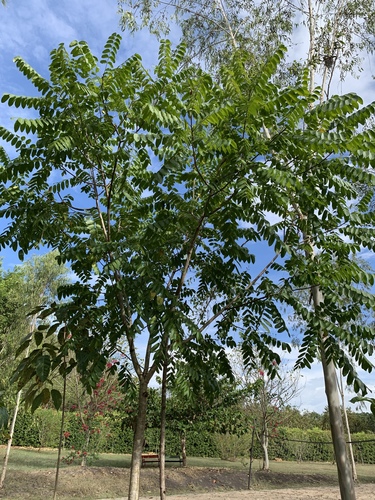
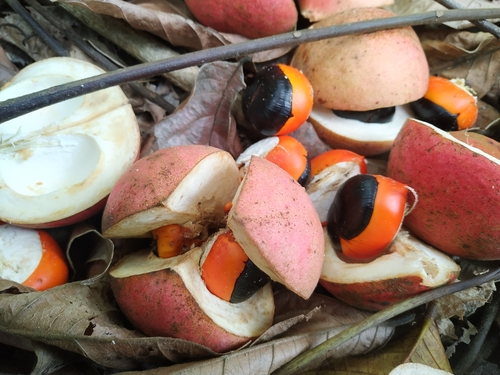
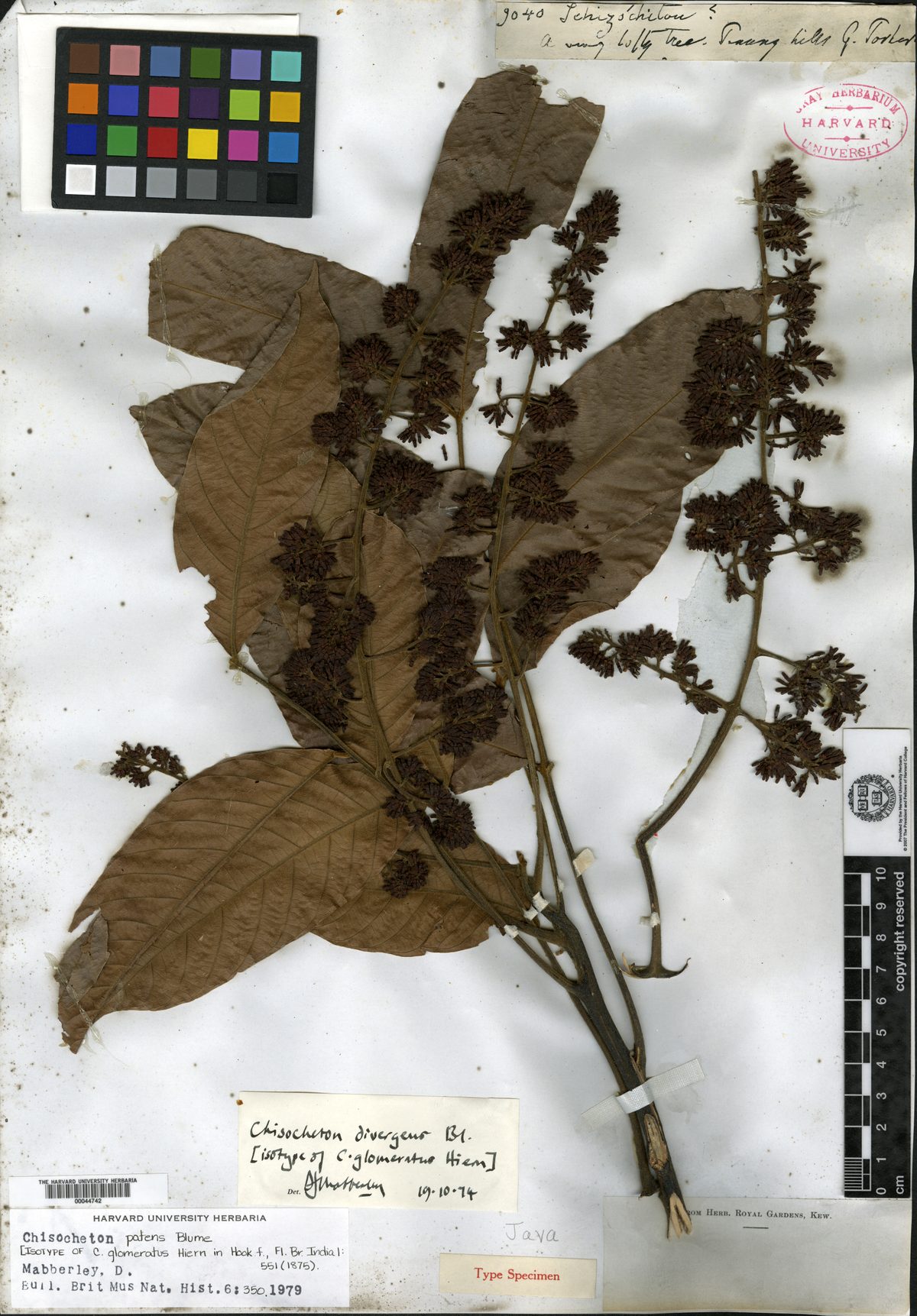
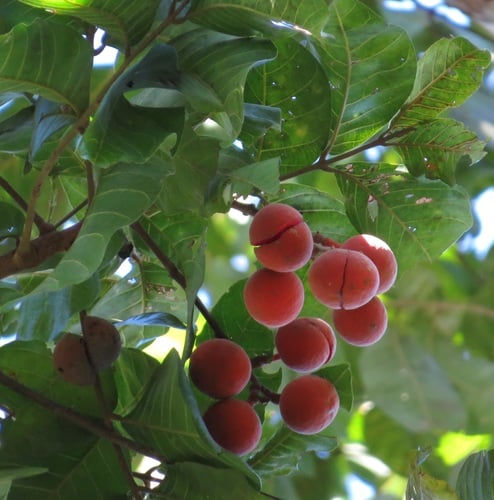
A tree. It grows 30 m tall. The trunk is 25 cm across. It produces fruit along the trunk. The leaves are compound with 5-6 pairs of leaflets. The flowers are in spikes clustered on the trunk. The flowers are white or pink and have a sweet scent. The fruit are often in clusters and are red when ripe.
Edible Uses
The flesh of ripe fruit is eaten raw.
Traditional Uses
The flesh of the ripe fruit is eaten raw.
This uses section is brief — help expand it
Distribution
It is a tropical plant. It grows in evergreen forests near streams. It grows up to 1,500 m above sea level.
Where It Grows
Asia, Cambodia, Indochina, Indonesia, Malaysia, Philippines, SE Asia, Thailand, Vietnam,
Cultivation
Plants can be grown from seeds.
Other Uses
The sapwood is straw coloured. The wood is suitable for medium to heavy construction work, planking, flooring, panelling, and for manufacturing high grade furniture, wood pallets, veneer and plywood. We have no more specific information on the wood of this species, but it is one of a group of species that are the source of a commercial timber known in the trade as 'jarum-jarum'. The general description of jarum-jarum is as follows:- The heartwood is orange-red to brick red when fresh,darkening on exposure; it is clearly demarcated from the yellow sapwood. The texture is moderately coarse but uneven due to the abundant of parenchyma; the grain is straight, interlocked, wavy or irregular; there is a watersilk marking on flat-sawn surfaces due to the parenchyma bands. The wood is moderately hard to hard. It is used for purposes such as flooring, furniture, wall panelling, solid door construction, veneer and plywood.
Synonyms
Also Known As
Cerikei, Dedali, Langga ayer, Pohon kedoya banga, Pohon kedoya mensiah, Pokok parang, Ta suea taptim, Uchong chit
References (4)
- Ong, H., et al, 2012, Traditional knowledge and usage of edible plants among the Semai community of Kampung Batu 16, Tapah, Perak, Malaysia. Scientific Research and Essays Vol. 7(4), pp. 441-445, 30 January, 2012
- Sukarya, D. G., (Ed.) 2013, 3,500 Plant Species of the Botanic Gardens of Indonesia. LIPI p 252
- Wongprasert, T. et al, 2011, A Synoptic Account of the Meliaceae of Thailand. Thai For. Bull. 39:210-266
- Zawiah, N. & Othaman, H., 2012, 99 Spesies Buah di FRIM. Institut Penyelidikan Perhutanan Malaysia. p 112