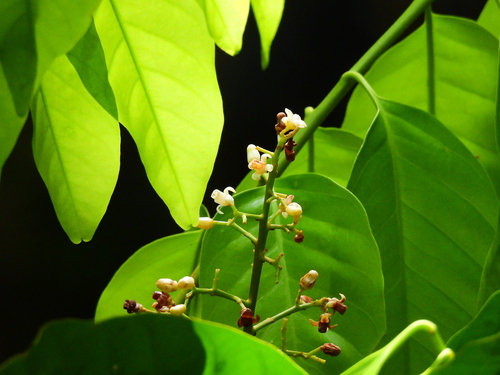
Cedrela angustifolia
Sesse & Moc. ex DC.
Narrowleaf cedrela
iNaturalist· cc-by-nc
(c) Alain Le Hérissé, some rights reserved (CC BY-NC)
iNaturalist· cc-by-nc
(c) Alain Le Hérissé, some rights reserved (CC BY-NC)
iNaturalist· cc-by-nc
(c) Alain Le Hérissé, some rights reserved (CC BY-NC)
Summary
Source: WikipediaCedrela angustifolia is a species of tree in the mahogany family, Meliaceae. Local common names include cedro de Tucumán, cedro bayo, cedro coya, and cedro del cerro. It is native to South America, where it occurs in Argentina, Bolivia and Peru. This is a species of mountain forests. It easily colonizes disturbed habitat, forming dense canopy. These stands still occur in Bolivia, and the tree is common in parts of Argentina. However, it is a valuable timber tree. Some populations have faced substantial declines, and it is considered to be an endangered species.
Description
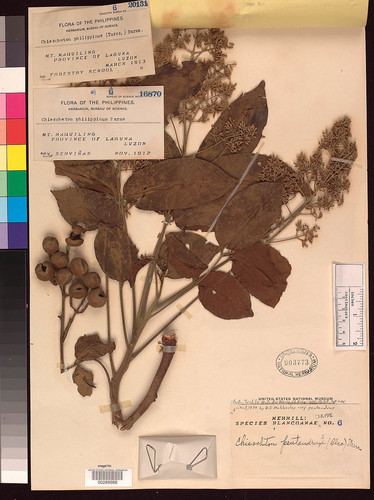
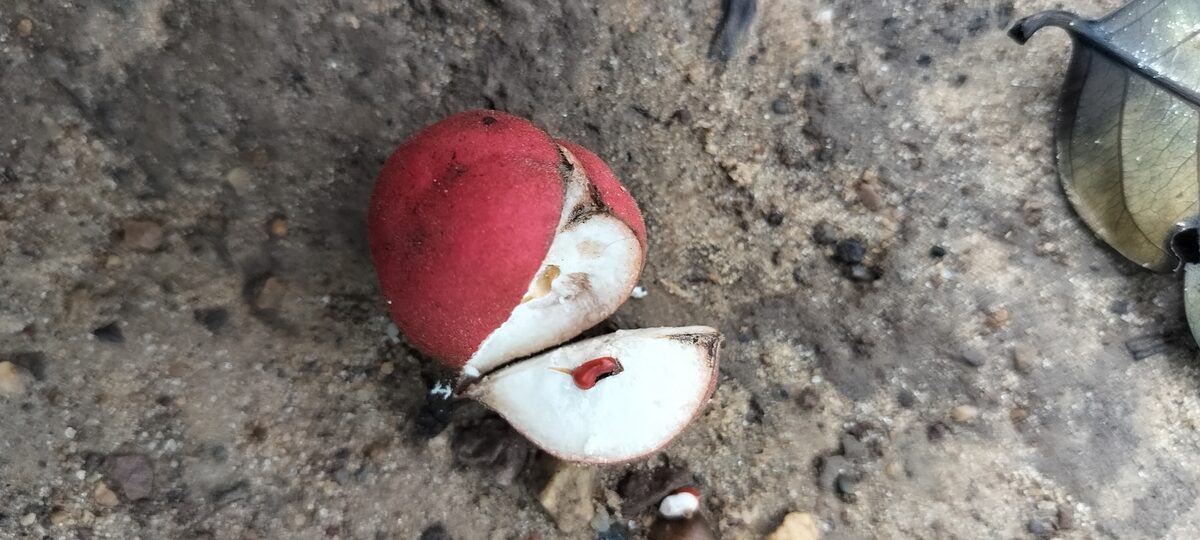
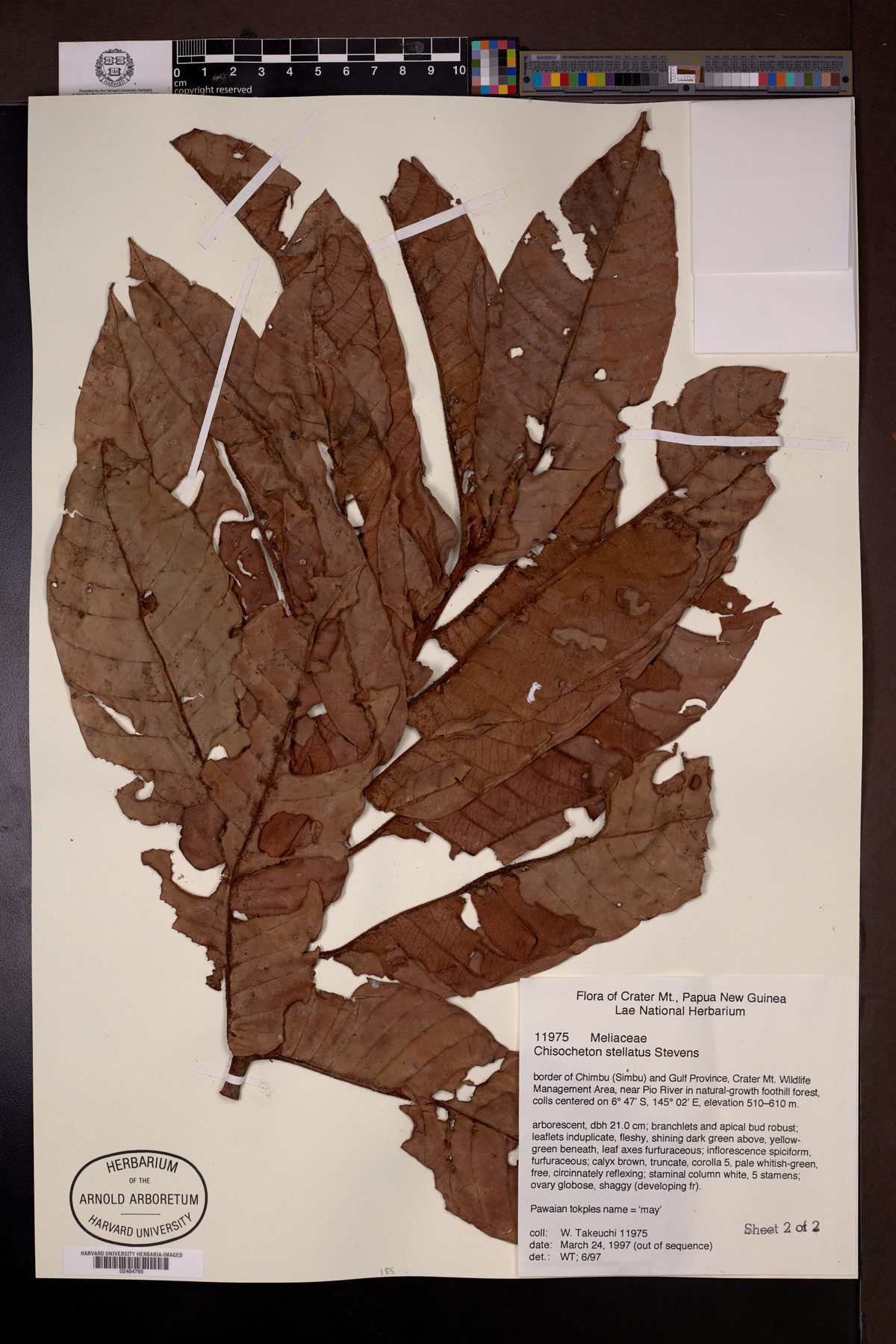
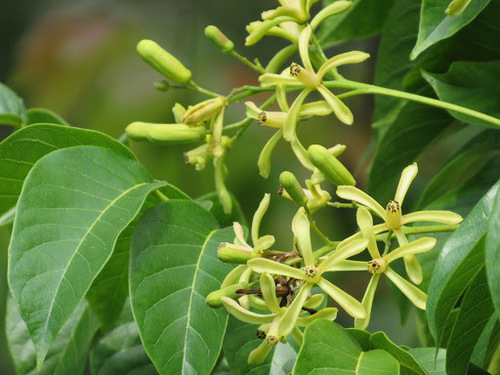
A tree. It grows 10-20 m tall. The leaves have 8 pairs of leaflets. They are oval to sword shaped and 12-16 cm long by 3-4 cm wide. The fruit is a capsule with 5 valves. They are 4-5 cm long.
Edible Uses
The wood is used as a flavouring agent.
Traditional Uses
The wood is used for bitters in alcohol.
This uses section is brief — help expand it
Medicinal Uses
The wood is traditionally used for bitters in alcohol.
Distribution
It is a tropical plant.
Where It Grows
Andes, Argentina, Bolivia, Brazil, Central America, Chile, Colombia, Ecuador, Guyana, Mexico, Panama, Paraguay, Peru, South America, Venezuela,
Synonyms
Also Known As
Cedrillo, Cedro
References (1)
- Grandtner, M. M. & Chevrette, J., 2013, Dictionary of Trees, Volume 2: South America: Nomenclature, Taxonomy and Ecology. Academic Press p 114