Terminalia alata
Roth.
iNaturalist· cc-by-sa
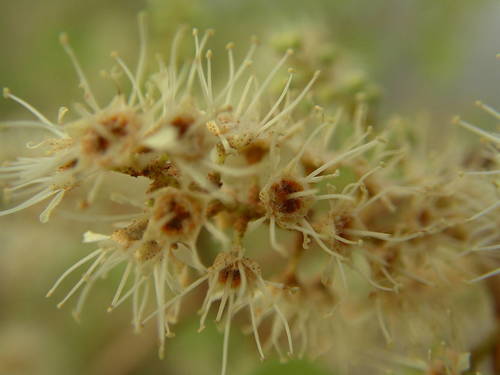
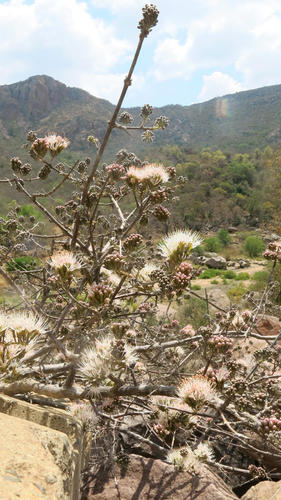
(c) Dinesh Valke, some rights reserved (CC BY-SA)
iNaturalist· cc-by-sa
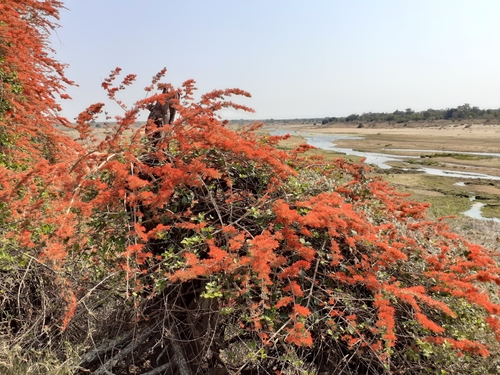
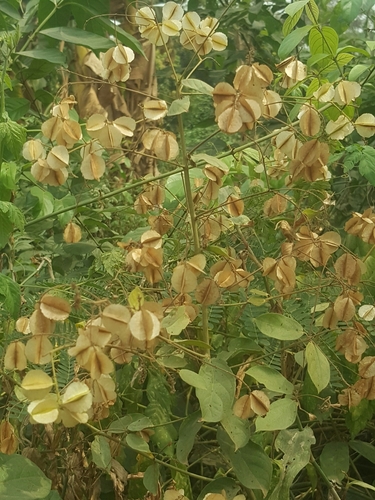
(c) Dinesh Valke, some rights reserved (CC BY-SA)
iNaturalist· cc-by-sa
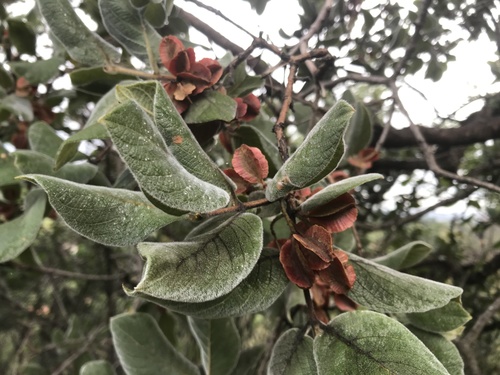
(c) Dinesh Valke, some rights reserved (CC BY-SA)
Description
A tropical tree reaching 30 m tall, found in Nepal between 200-1,400 m elevation.
This description is brief — help expand it
Edible Uses
Gum from the tree is used as food.
Medicinal Uses
The wood is used for furniture, cabinetwork, joinery, paneling, specialty items, boat-building, railroad cross-ties (treated), decorative veneers and for musical instruments (e.g. for guitar fretboard). The leaves are used as food by Antheraea paphia (silkworms) which produce the tassar silk (Tussah), a form of commercially important wild silk. The bark is used medicinally against diarrhoea. Oxalic acid can be extracted from it. The bark and especially the fruit yield pyrogallol and catechol to dye and tan leather. Water stored in the stem is often tapped and used as a source of potable water in the summer by forest folk. It is also thought to have curative value for stomach pain. Outside of its native range, it is cultivated in southern China.
Distribution
It is a tropical plant. It grows between 200-1,400 m above sea level in Nepal.
Where It Grows
Asia, Bangladesh, Cambodia, China, Himalayas, India, Indochina, Laos, Myanmar, Nepal, SE Asia, Sri Lanka, Thailand, Vietnam,
Notes
An unresolved name in The Plant List. There are 3 different authorities for Terminalia alata!
Synonyms
Also Known As
Paung, Taukkyan
References (3)
- Behera K. K., et al, 2008, Wild Edible Plants of Mayurbhanj District, Orissa, India. J. Econ. Taxon. Bot. Vol. 32 (Suppl.) pp 305-314 (As Terminalia alata)
- Pullaiah, T., et al, Ethnobotany of India, Volume 1: Eastern Ghats and Deccan.
- Wikipedia