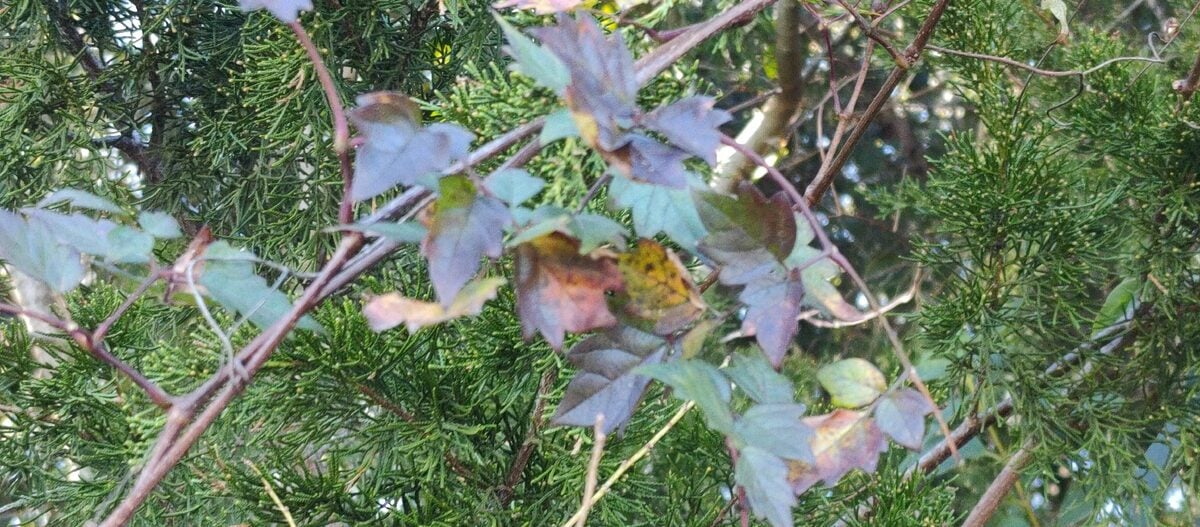
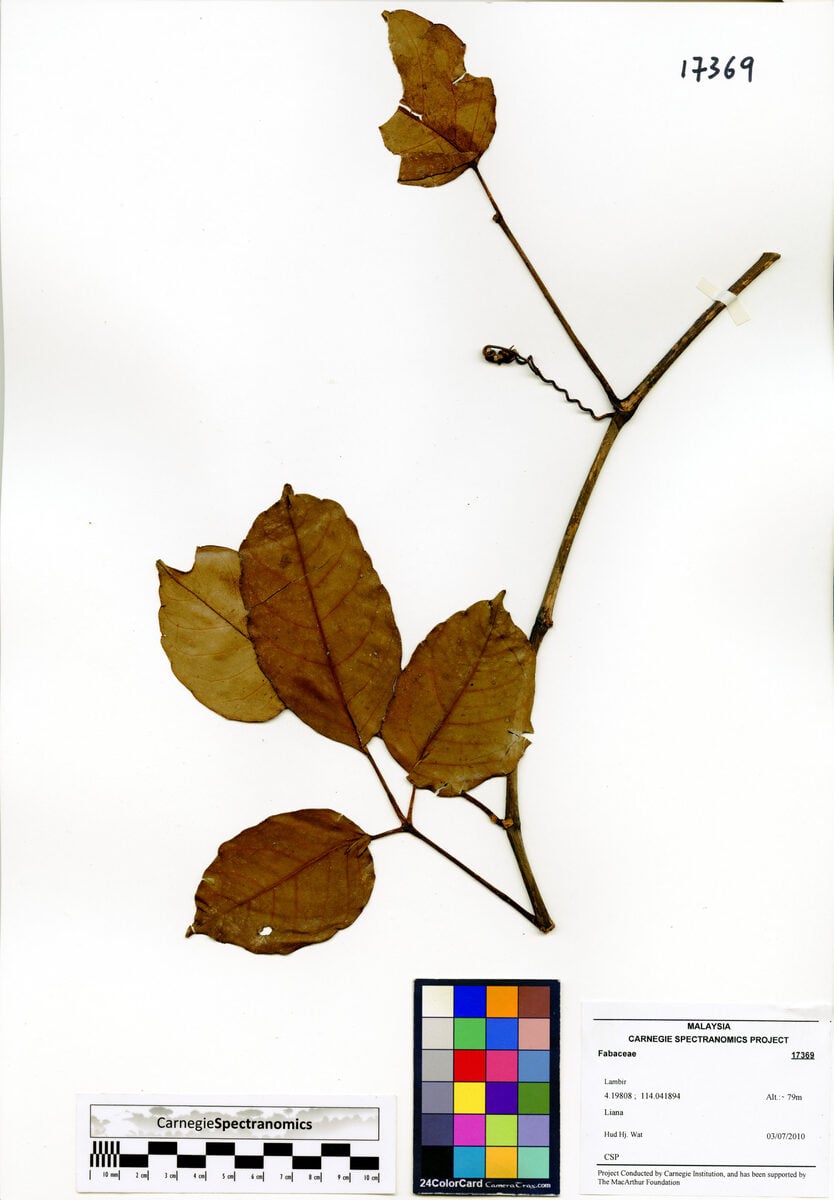
Cyphostemma auriculata
(Roxb.) P. Singh & B. V. Shetty
Eared cyphostemma
iNaturalist· cc0
no rights reserved, uploaded by S.MORE
iNaturalist· cc-by-sa
(c) Dinesh Valke, some rights reserved (CC BY-SA)
iNaturalist· cc-by-nc
(c) Shiwalee Samant, some rights reserved (CC BY-NC), uploaded by Shiwalee Samant
Description
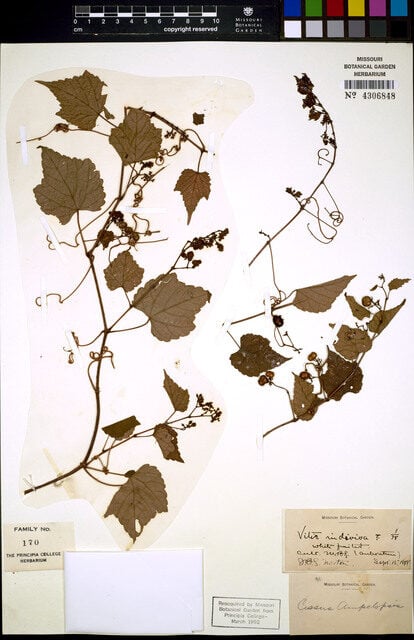
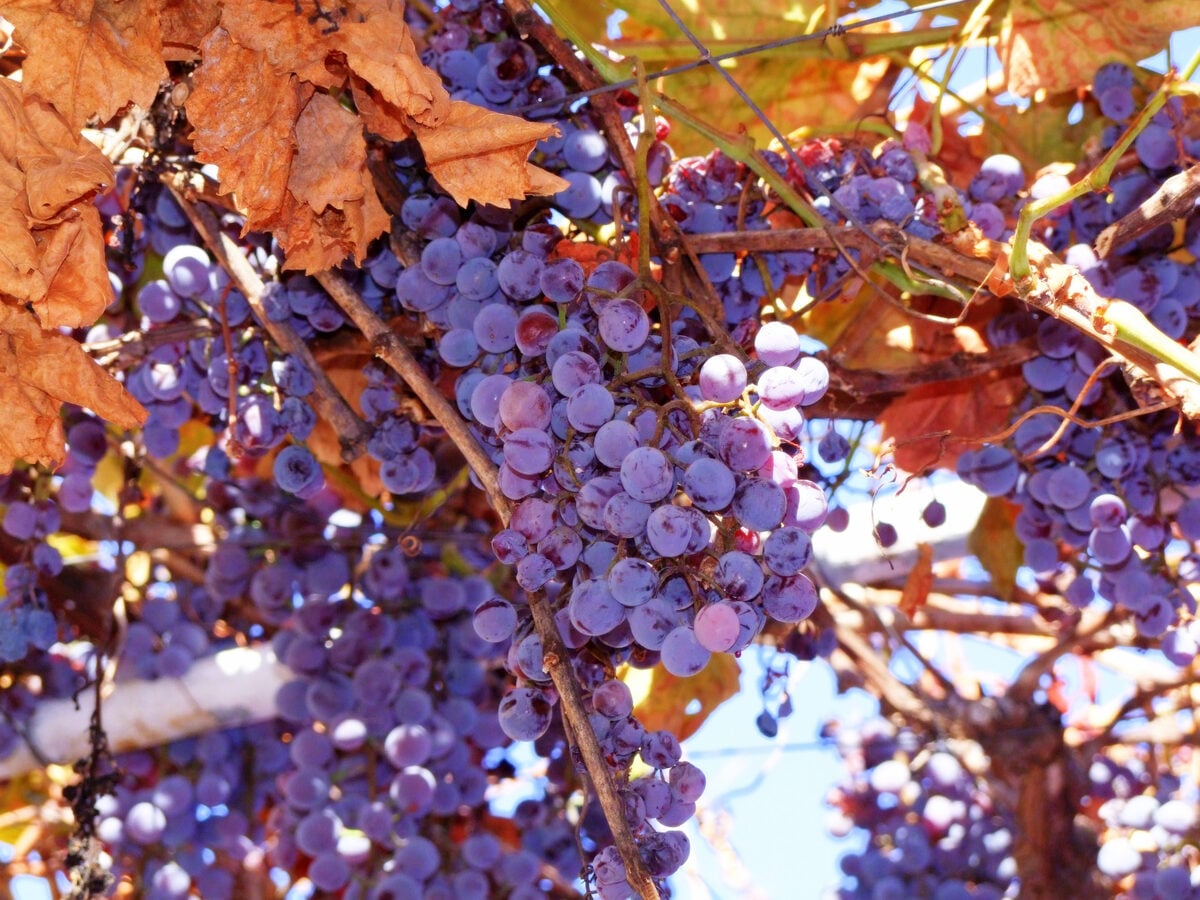
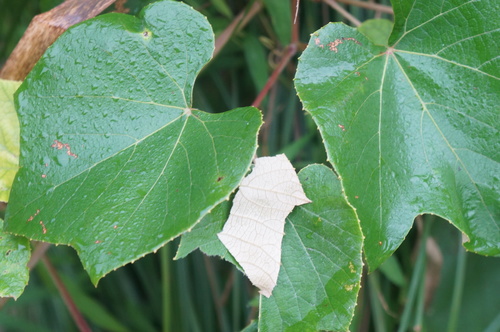
A large climber. The branches are densely velvety. The leaves are compound. They are divided into leaflets like fingers on a hand. There are 5 leaflets. These are broadly oval and 6-14 cm long by 3-8 cm wide. The base is wedge shaped and there are teeth along the edge. The flowers are green to cream. They are in flat topped clusters on long stout stalks. The fruit is a one seeded round red berry.
Edible Uses
The young shoots are cooked and eaten as a vegetable. The leaves and fruit are also edible.
Traditional Uses
The young shoots are cooked and eaten as a vegetable.
This uses section is brief — help expand it
Distribution
It is a tropical plant.
Where It Grows
Africa, Asia, Bangladesh, Himalayas, India, Madagascar, Myanmar, SE Asia,
Synonyms
Also Known As
Amad simad, Amar lata, Jungli kajomi, Kali vel, Kanchikanchia, Lawai arxa, Luduri, Luduri-danka, Mura palleru, Pulla gummadi, Yinnaung-paing-nwe
References (6)
- Behera K. K., et al, 2008, Wild Edible Plants of Mayurbhanj District, Orissa, India. J. Econ. Taxon. Bot. Vol. 32 (Suppl.) pp 305-314 (As Cayratia auriculata)
- Dobriyal, M. J. R. & Dobriyal, R., 2014, Non Wood Forest Produce an Option for Ethnic Food and Nutritional Security in India. Int. J. of Usuf. Mngt. 15(1):17-37 (As Cayratia auriculata)
- Hedrick, U.P., 1919, (Ed.), Sturtevant's edible plants of the world. p 681 (As Vitis auriculata)
- Marandi, R. R. & Britto, S. J., 2015, Medicinal Properties of Edible Weeds of Crop Fields and Wild plants Eaten by Oraon Tribals of Latehar District, Jharkhand. International Journal of Life Science and Pharma Research. Vo. 5. (2) April 2015
- Misra, S., 2020, Survey of edible plants for human consumption in south Odisha, India. Journal of Emerging Technologies and Innovative Research (JETIR) Vol. 7, Issue 12 p 278
Show all 6 references Hide references
- Rashid, M. H., et al, 2013, Inventory of Threatened Plants of Bangladesh and their Conservation Management. International Journal of Environment. Vol. 3 No. 1 p 157