Rhus ovata
S. Watson
Sugar bush, Sugar sumac
iNaturalist· cc-by-nc
(c) Mary Fenwick, some rights reserved (CC BY-NC)
iNaturalist· cc-by-nc
(c) Mary Fenwick, some rights reserved (CC BY-NC)
iNaturalist· cc-by-nc
(c) Ron Vanderhoff, some rights reserved (CC BY-NC)
Summary
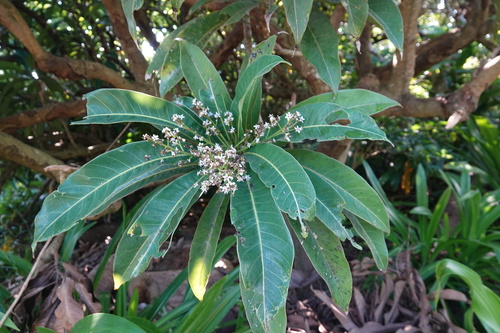
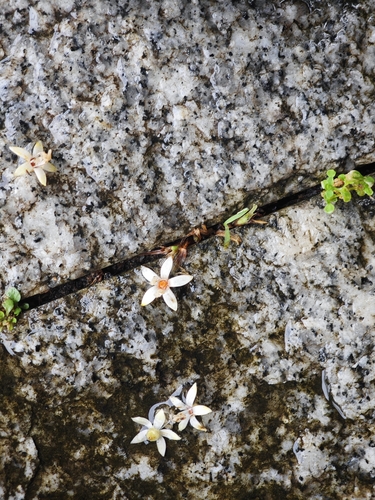
Source: WikipediaRhus ovata, commonly known as sugar bush or sugar sumac, is a shrub or small tree found growing in the canyons and slopes of the chaparral and related ecosystems in Southern California, Arizona, Baja California and Baja California Sur. It is a long lived-plant, up to 100 years, and has dense evergreen foliage that make it conspicuous. It is closely related to and hybridizes with the lemonade sumac.
Description
Evergreen shrub reaching 2m tall. Hardy to UK zone 9, frost tender. Year-round foliage. Dioecious; requires both male and female plants for seed. Pollinated by bees. Grows in light sandy and medium loamy soils; prefers well-drained, nutritionally poor soil acceptable. Mildly acid to basic soil suitable. Requires full sun. Adapts to dry or moist soil and tolerates drought.
Edible Uses
The fruit can be eaten raw or cooked and ranges from slightly acid to sweet. Each fruit is only 6–8mm in diameter with very little flesh, but the dense racemes make harvesting easy. Soaking the fruit for 10–30 minutes in hot or cold water produces a very refreshing lemonade-like drink. The fruit can also be sucked directly for the tart juice on its surface. A sweetish white sap exudes from the fruit and can be used as an acid flavouring or sugar substitute. The leaves can be boiled to make a tea.
Traditional Uses
The fruit pulp is eaten. It is also used for flavouring. The leaves are used for tea.
This uses section is brief — help expand it
Medicinal Uses
A leaf infusion has been used to treat chest pains, coughs, and colds. The same infusion has also been taken just before giving birth to help facilitate an easy delivery. Some caution is advised in the use of the leaves and stems of this plant, see the notes on toxicity.
Known Hazards
Some caution advised regarding toxicity of leaves and stems.
Distribution
It is a subtropical plant.
Where It Grows
Mexico, North America, USA
Cultivation
Succeeds in a well-drained fertile soil in full sun. Succeeds in a hot dry position. Plants are usually found in poor dry soils in the wild. This species is not very hardy in Britain, it may not succeed outdoors even in the mildest areas of the country. One report says that it can tolerate temperatures down to about -5°c. The young growth in spring can be damaged by late frosts. Plants have brittle branches and these can be broken off in strong winds. Plants are also susceptible to coral spot fungus. Plants in this genus are notably resistant to honey fungus. Many of the species in this genus are highly toxic and can also cause severe irritation to the skin of some people, whilst other species such as this one are not poisonous. It is relatively simple to distinguish which is which, the poisonous species have axillary panicles and smooth fruits whilst non-poisonous species have compound terminal panicles and fruits covered with acid crimson hairs. The toxic species are sometimes separated into their own genus, Toxicodendron, by some botanists. Dioecious. Male and female plants must be grown if seed is required.
Propagation
Seed is best sown in a cold frame as soon as it is ripe. Pre-soak for 24 hours in hot water (starting at 80–90°C and allowing it to cool) to leach out germination inhibitors — this soak water is drinkable and has a delicious lemon flavour. Stored seed also needs hot water treatment and can be sown in early spring in a cold frame. Prick seedlings into individual pots when large enough to handle and grow on in a greenhouse for their first winter, then plant out in late spring or early summer after the last expected frosts. Cuttings of half-ripe wood, 10cm with a heel, can be taken in July/August in a frame. Root cuttings 4cm long taken in December should be potted up vertically in a greenhouse — a good percentage will take. Suckers can be taken in late autumn to winter.
Other Uses
The leaves are rich in tannin and can be collected as they fall in autumn for use as a brown dye or as a mordant. An oil extracted from the seeds attains a tallow-like consistency on standing and is used to make candles, which burn brilliantly but emit a pungent smoke. The plant is often established in poor, dry soils in America, where its extensive root system helps prevent erosion.
Also Known As
Hiedra, Lentisco, Saladito
References (2)
- Brevard Country Edible Acres
- Kermath, B. M., et al, 2014, Food Plants in the Americas: A survey of the domesticated, cultivated and wild plants used for Human food in North, Central and South America and the Caribbean. On line draft. p 744