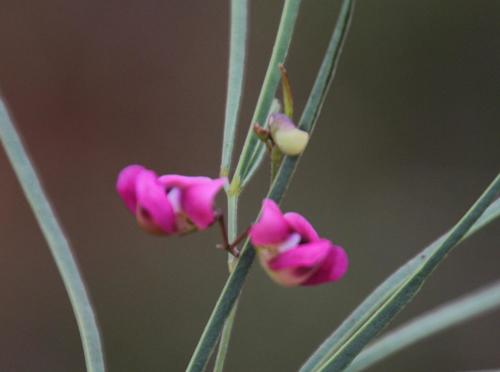
Coursetia glandulosa
A. Gray
Rosary babybonnets
iNaturalist· cc-by-sa
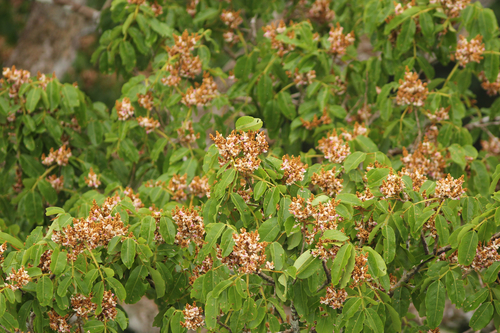
(c) Fluff Berger, some rights reserved (CC BY-SA), uploaded by Fluff Berger
iNaturalist· cc-by-nc
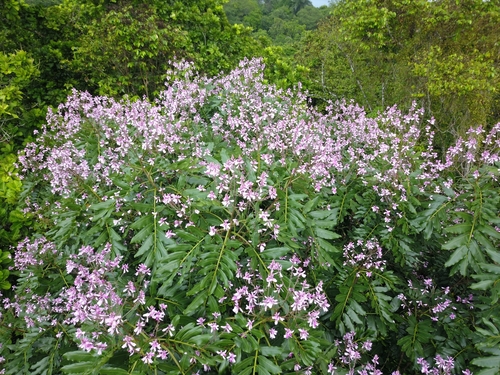
(c) Efraín Octavio Aguilar Pérez, some rights reserved (CC BY-NC)
iNaturalist· cc-by-nc
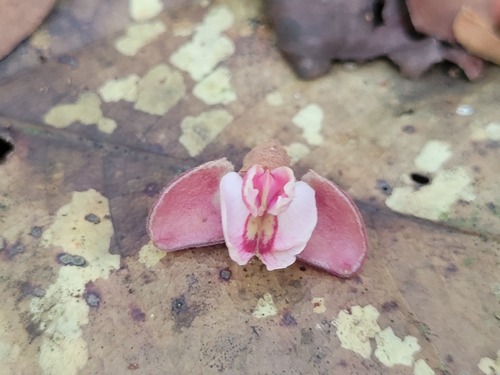
(c) Efraín Octavio Aguilar Pérez, some rights reserved (CC BY-NC)
Summary
Source: WikipediaCoursetia glandulosa, the rosary babybonnets, is a species of flowering plant in the family Fabaceae. It is native to desert and dry scrubland areas of the US state of Arizona, Mexico, and Honduras. A deciduous shrub reaching 20 ft (6 m), it is typically found in rocky habitats such as canyons, at elevations below 1,200 m (4,000 ft). Heavy orange encrustations on its branches are a common occurrence, and are the result of a lac insect infestation.
Description
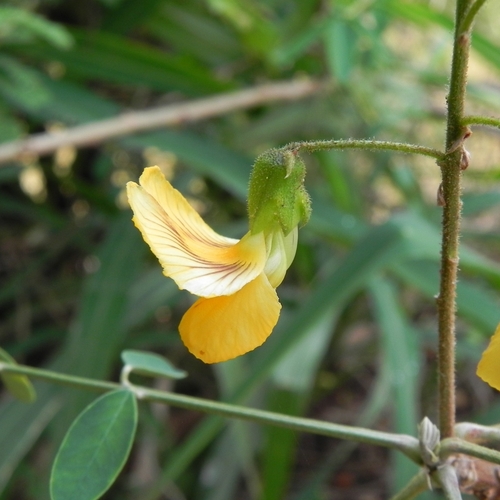
A tropical shrub or small tree in the Fabaceae family, bearing yellow-white flowers.
This description is brief — help expand it
Edible Uses
The flower buds and gum are eaten. The gum is used in sauces and drinks and is sold in markets.
Traditional Uses
The gum is used in sauces and drinks.
This uses section is brief — help expand it
Medicinal Uses
A gum obtained from the stems is used as a remedy for stomach aches and hangovers. It is dissolved in water and used as a cough syrup, and was once thought to be a remedy for tuberculosis. The bark is purgative. A decoction is used to give medicinal baths, or it is administered orally in case of jaundice, venereal disease, tuberculosis and scorpion stings and is also used as a purgative.
Distribution
It is a tropical plant.
Where It Grows
Mexico, North America, USA,
Cultivation
Coursetia glandulosa is found from the arid, subtropical regions of southern Arizona to the dry tropical forests of western Mexico, growing at elevations up to 1,800 metres. It can experience some frosts, at least in the north of its range.
Other Uses
A species of lac scale insect (Tachardiella fulgens) is often found on the branches of this plant. The insects exude a conspicuous, dark reddish, gummy substance which surrounds them and protects them from predators. They live in a symbiotic relationship with a species of aphidicolous ants which tend their larvae and feed on the sap extracted by the scale insects. Branches can often be found with considerable quantities of this exudate on then, often with the insects still inside. The gum has a long history of use for medicinal purposes, as an adhesive, a sealant on food containers, an ingredient of a high grade varnishes and various other purposes. The long stems are very resilient and can bend to small angles without breaking. They are used traditionally for making harpoon shafts, bows, digging tools and ramrods. They should also be very suitable for basket making. The plant has a vigorous root system and forms suckers. It adapts readily to unstable soils where it can form dense colonies, thus stabilizing the soil.
Other Information
The gum is sold in markets.
Also Known As
Cau samo, Frijolillo, Zamota
References (2)
- Kermath, B. M., et al, 2014, Food Plants in the Americas: A survey of the domesticated, cultivated and wild plants used for Human food in North, Central and South America and the Caribbean. On line draft. p 273
- Yetman, D., 2002, The Guarijios of the Sierra Madre: Hidden People of Northwestern Mexico. University of New Mexico Press. p 200