Acacia hakeoides
Cunn. ex Benth.
Hakea wattle
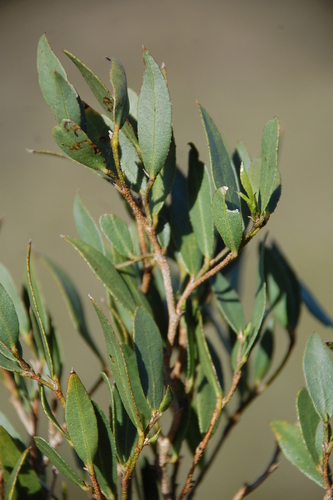
iNaturalist· cc-by-nc
(c) cinclosoma, some rights reserved (CC BY-NC), uploaded by cinclosoma
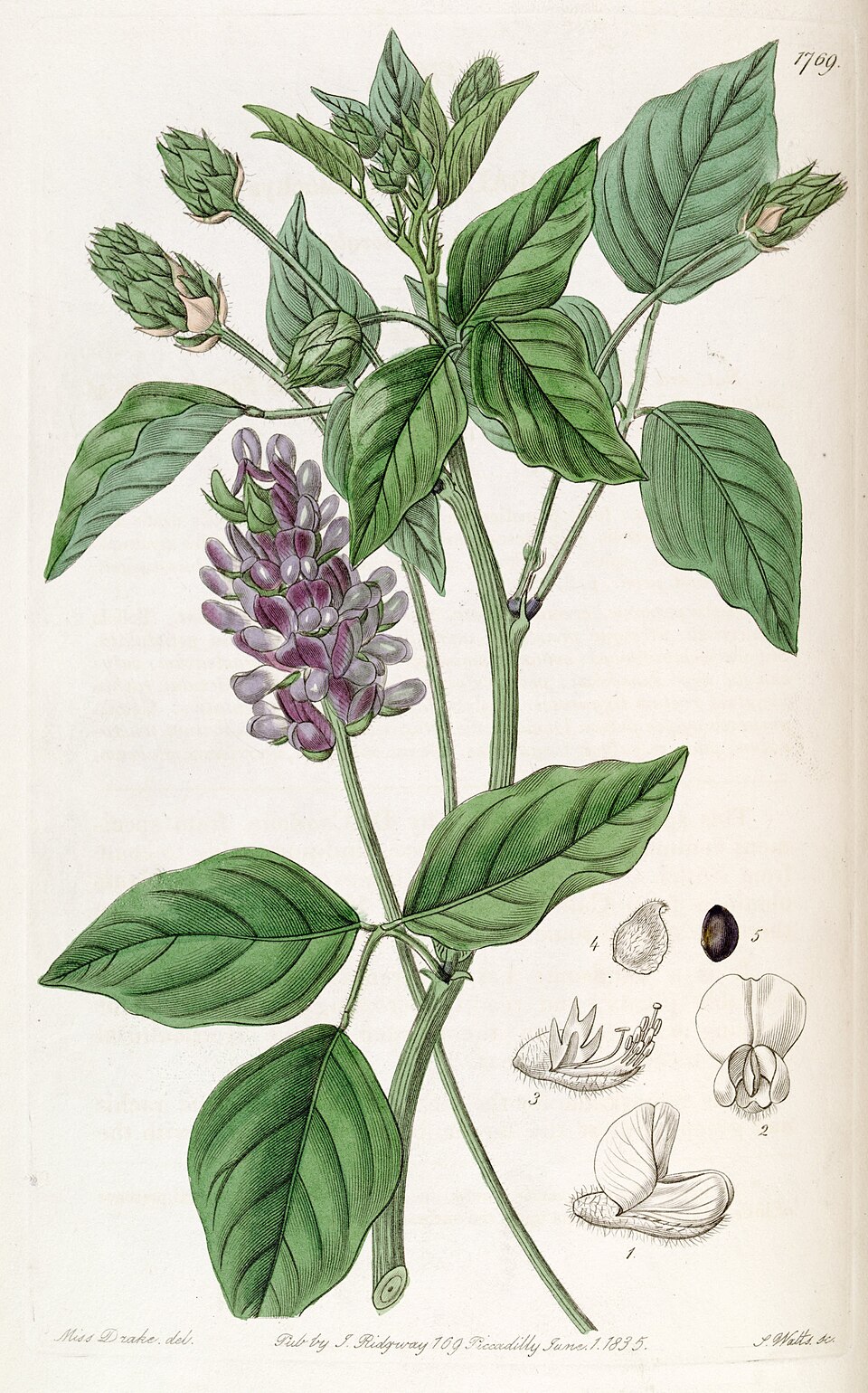
iNaturalist· cc-by-nc
(c) Darcy Whittaker, some rights reserved (CC BY-NC), uploaded by Darcy Whittaker
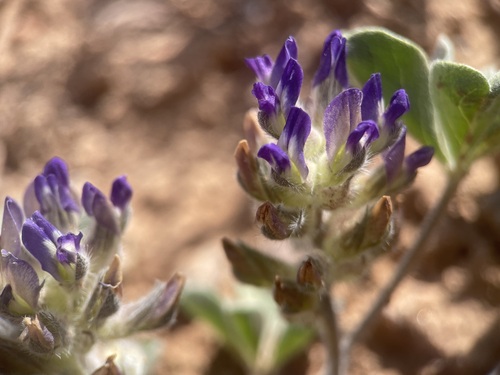
iNaturalist· cc-by
(c) Tim Hammer, some rights reserved (CC BY), uploaded by Tim Hammer
Summary
Source: WikipediaAcacia hakeoides, known colloquially as hakea wattle, hakea-leaved wattle or western black wattle, is a species of flowering plant endemic to southern Australia. It is a bushy shrub or tree with lance-shaped to linear phyllodes, racemes of bright golden-yellow flowers and more or less leathery to leathery to hard and brittle pods. It can be found growing in sandy soils in semiarid and Eucalyptus woodland in the region.
Description
A shrub or small tree. It grows 5 m tall. There are prickles along the stem. The leaves are twice divided and there are 8-18 pairs of pinnae. There are up to 50 pairs of pinnules on each pinnae. The flowers are yellow. They are in large clusters at the ends of branches. The pods are flattened.
Edible Uses
The seed of "Acacia hakeoides" is edible and it has been suggested that this seed is suitable for culinary use as a flavouring agent, as a stable carbohydrate or as a coffee substitute, among others. In light of this fact, the species has been listed by one study as a medium priority species of interest for domestication for seed production purposes.
Distribution
It is a temperate plant.
Where It Grows
Australia*,
Notes
Also as Mimosaceae.
References (2)
- Permaculture website Ngare Ndare project Kenya
- Maslin, B. R., et al, 1998, Edible Wattle Seeds of Southern Australia. CSIRO p 73