Lathyrus humilis
(Ser.) Spreng.
iNaturalist· cc-by
(c) open_a_ir, some rights reserved (CC BY), uploaded by open_a_ir
iNaturalist· cc-by-nc
(c) Andrey Efremov, some rights reserved (CC BY-NC)
iNaturalist· cc-by-nc
(c) Andrey Efremov, some rights reserved (CC BY-NC)
Description
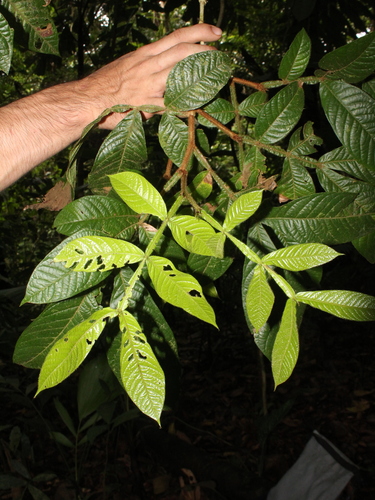
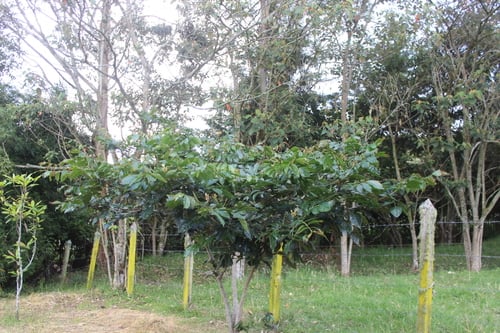
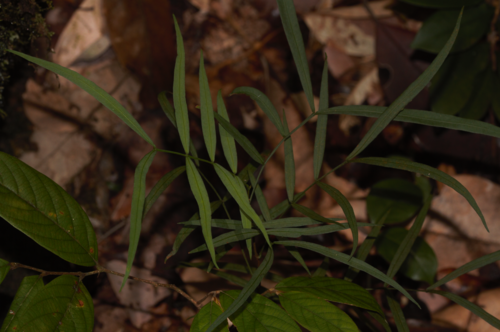
A herb. It keeps growing from year to year. It grows 20-30 cm tall. The stems are slender, erect and sometimes branching. They are hairy. The leaves have leaflets along the stalk. There are weak tendrils. There are 3 to 4 pairs of leaflets that are oval and 15-30 mm long by 10-20 mm wide. There are 2-5 flowers in a group. They are red to purple. The pod is 4-5 cm long. The seeds are oval and red-brown.
Edible Uses
The seeds and pods are eaten raw.
Traditional Uses
The seeds and pods are eaten raw.
This uses section is brief — help expand it
Distribution
It grows in cold desert in north India. In north China it grows on the edges of forests and in grasslands below 2,500 m above sea level.
Where It Grows
Asia, China, Himalayas, India, Korea, Mongolia, Russia,
Production
In China plants flower in May to July and fruit August to September.
Synonyms
Also Known As
Kaown
References (2)
- Ballabh, B., et al, 2007, Raw edible plants of cold desert Ladakh. Indian Journal of Traditional Knowledge. 6(1) pp 182-184
- Urgamal, M., Oyuntsetseg, B., Nyambayar, D. & Dulamsuren, Ch. 2014. Conspectus of the vascular plants of Mongolia. (Editors: Sanchir, Ch. & Jamsran, Ts.). Ulaanbaatar, Mongolia. “Admon“ Press. 334pp. (p. 121-143).