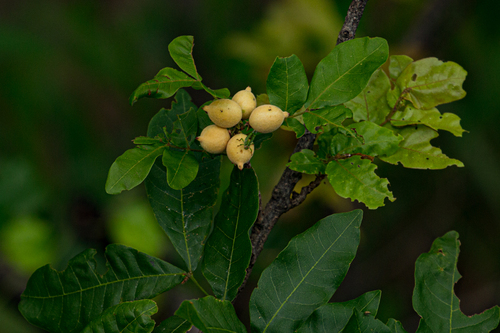
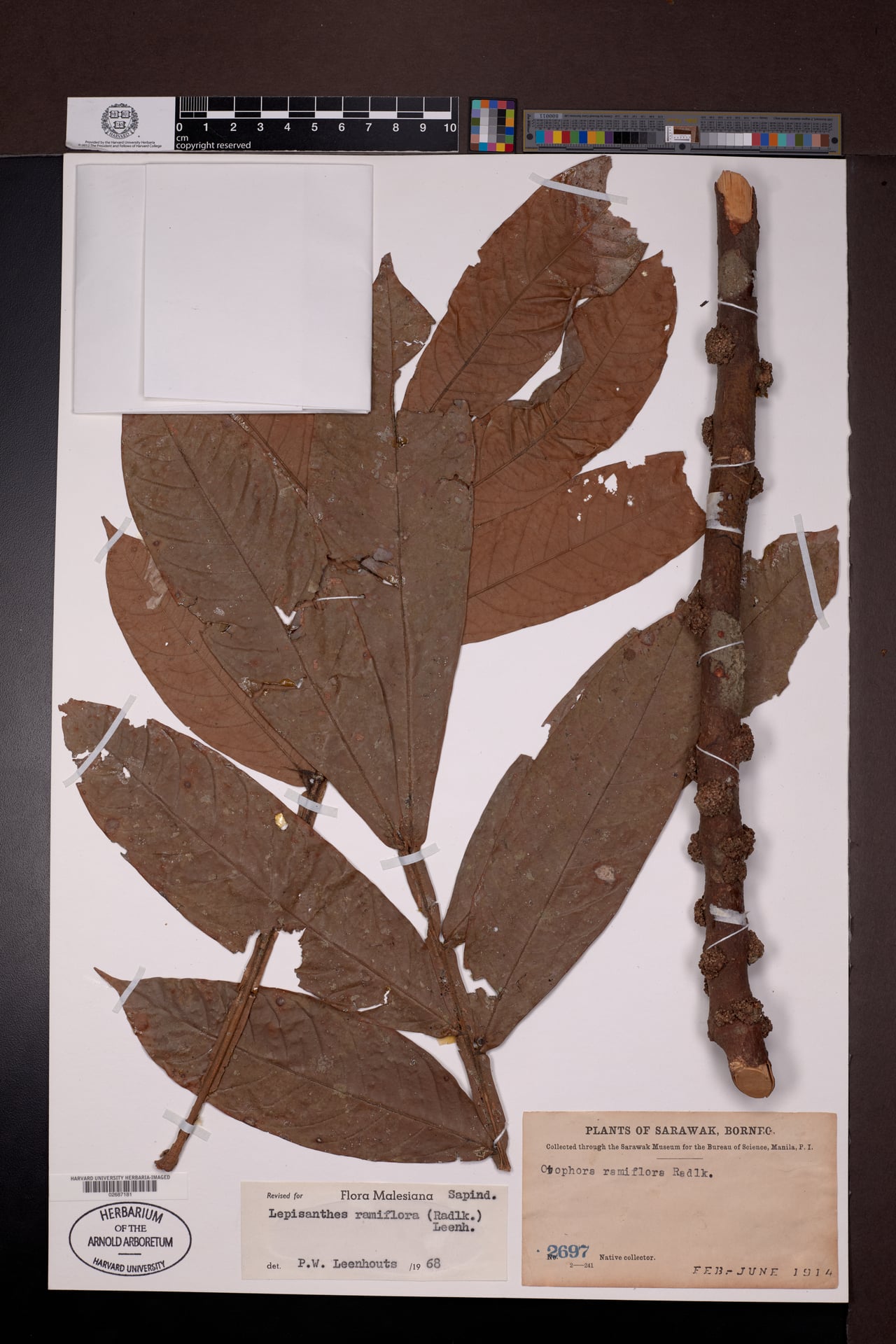
Sapindus emarginatus
Vahl
Notched leaf soapnut
iNaturalist· cc-by
(c) Siddarth Machado, some rights reserved (CC BY), uploaded by Siddarth Machado
iNaturalist· cc-by-nc
(c) rithika fernandes, some rights reserved (CC BY-NC), uploaded by rithika fernandes
iNaturalist· cc-by-nc
(c) Partha, some rights reserved (CC BY-NC), uploaded by Partha
Description
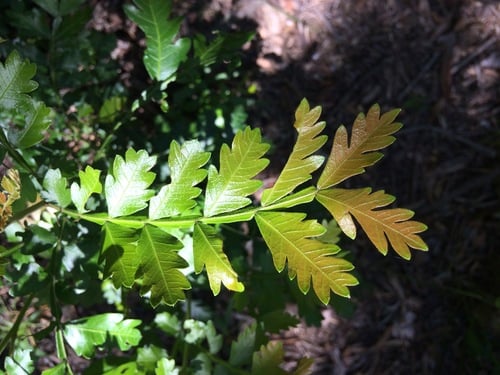
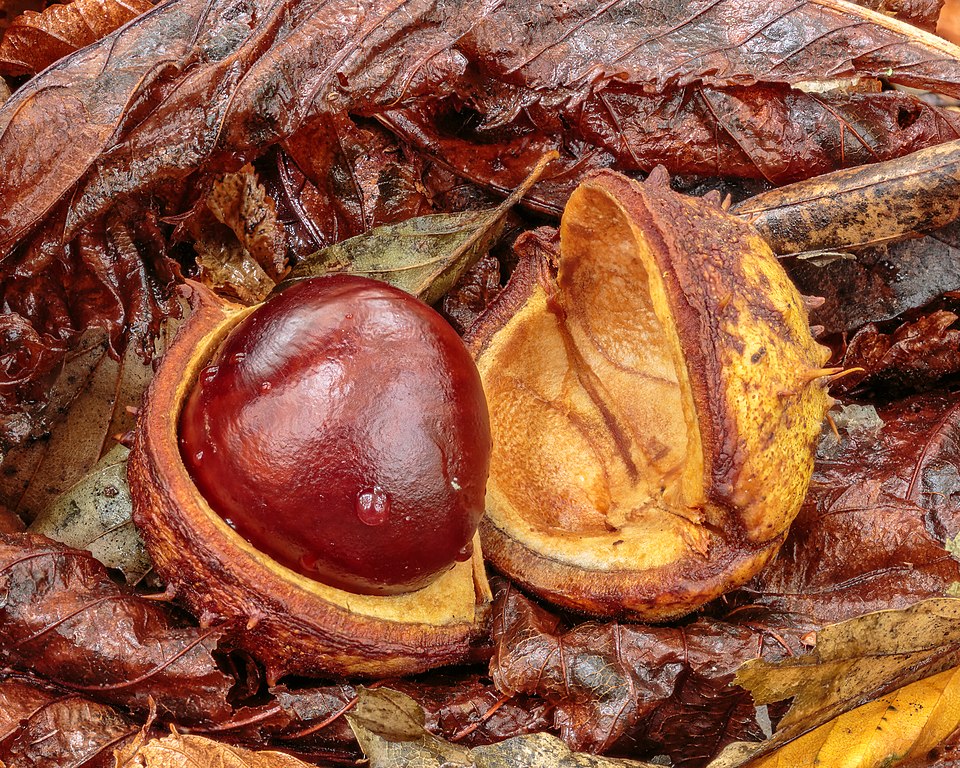
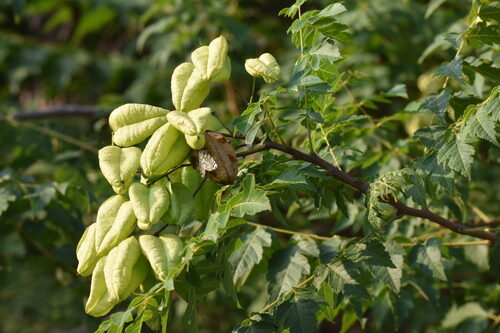
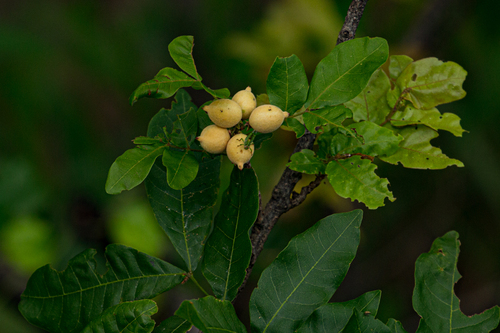
A medium to large tree. It grows 18 m tall. The trunk is 50 cm across. The bark is grey and shiny and has rough falling scales. The leaves have leaflets along the stalk. The leaves are 12-30 cm long. There are 2-3 pairs of leaflets. The flowers are white. The fruit are fleshy and have 2-3 seeds.
Edible Uses
Both the seeds and fleshy fruit are edible.
Medicinal Uses
Leaf and fruit extracts of Sapindus have historically been used in folk remedies to treat various conditions.
Distribution
It is a tropical plant. It grows in dry deciduous forest.
Where It Grows
Asia, India, SE Asia,
Cultivation
A plant of the lowland tropics and subtropics, where it is found at elevations up to 500 metres. It grows best in areas where annual daytime temperatures are within the range 32 - 40°c, but can tolerate 10 - 47°c. When dormant, the plant can survive temperatures down to about 2°c. It prefers a mean annual rainfall in the range 1,000 - 2,000mm, but tolerates 500 - 2,500mm. Prefers a position in full sun. Very tolerant of a wide range of well-drained soils, including those that are dry, stony and nutrient deficient. Prefers a pH in the range 6 - 6.5, tolerating 5.5 - 7.
Propagation
Seed - Greenwood cuttings.
Other Uses
The fruit is rich in saponins. It is used as a substitute for soap in washing clothes, particularly delicate and natural fabrics. It is also used for removing the tarnish from, and restoring, silver objects. A semi-solid oil is extracted from the seeds. The yellow wood is hard. Very little used, it is occasionally employed in construction and making carts.
Production
In southern India it flowers in October to December.
Notes
The fruit are used in medicine.
Also Known As
Arishta, Aristam, Chavakayimaram, Kudale-kaye, Kukate-kayi, Kunkudu, Pullichi, Punnan-kotta, Reetha, Ritha, Urvanjik-kaya
References (2)
- Arinathan, V., et al, 2007, Wild edibles used by Palliyars of the western Ghats, Tamil Nadu. Indian Journal of Traditional Knowledge. 6(1) pp 163-168
- Basha, S. K. M., Ethnobotanical Trees of Sri Lanka Malleswara Wildlife Sanctuary; Eastern Ghats, Andhra Pradesh.