Rhynchosia rufescens
(Willd.) DC.
iNaturalist· cc-by
(c) Siddarth Machado, some rights reserved (CC BY), uploaded by Siddarth Machado
iNaturalist· cc-by
(c) Siddarth Machado, some rights reserved (CC BY), uploaded by Siddarth Machado
wikimedia· cc-by-sa
Wikimedia Commons - Yercaud-elango
Description
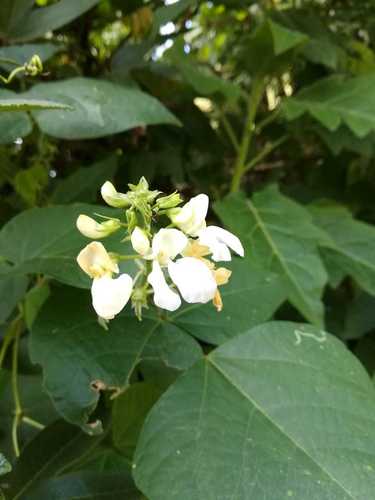
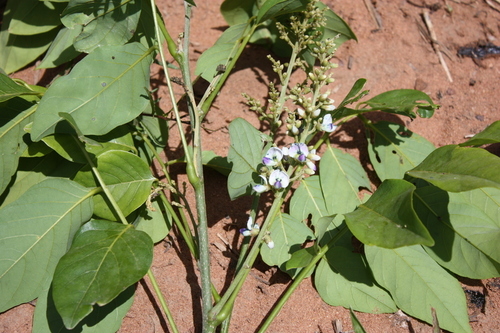
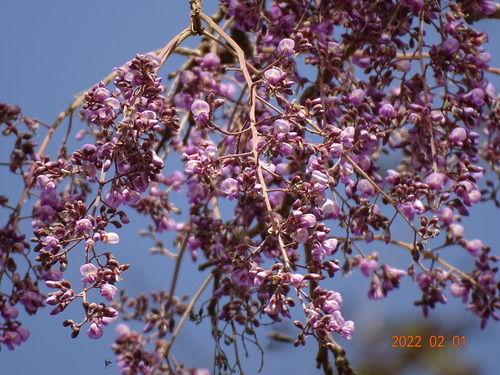
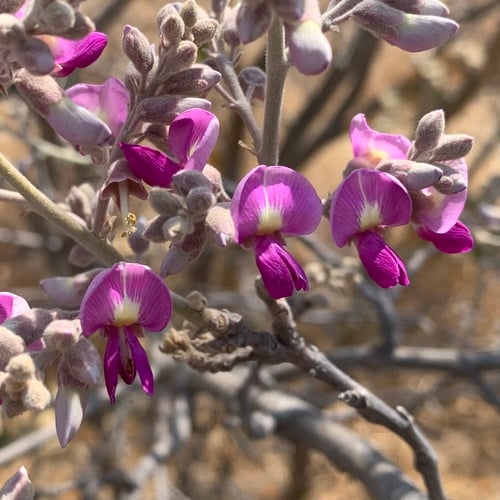
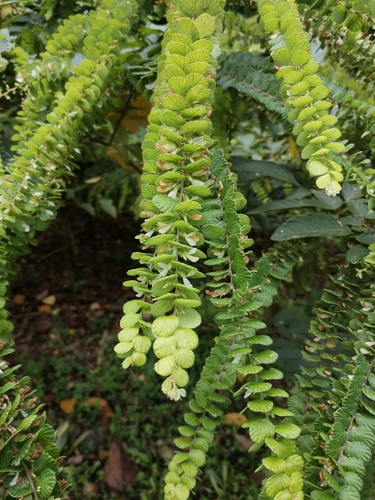
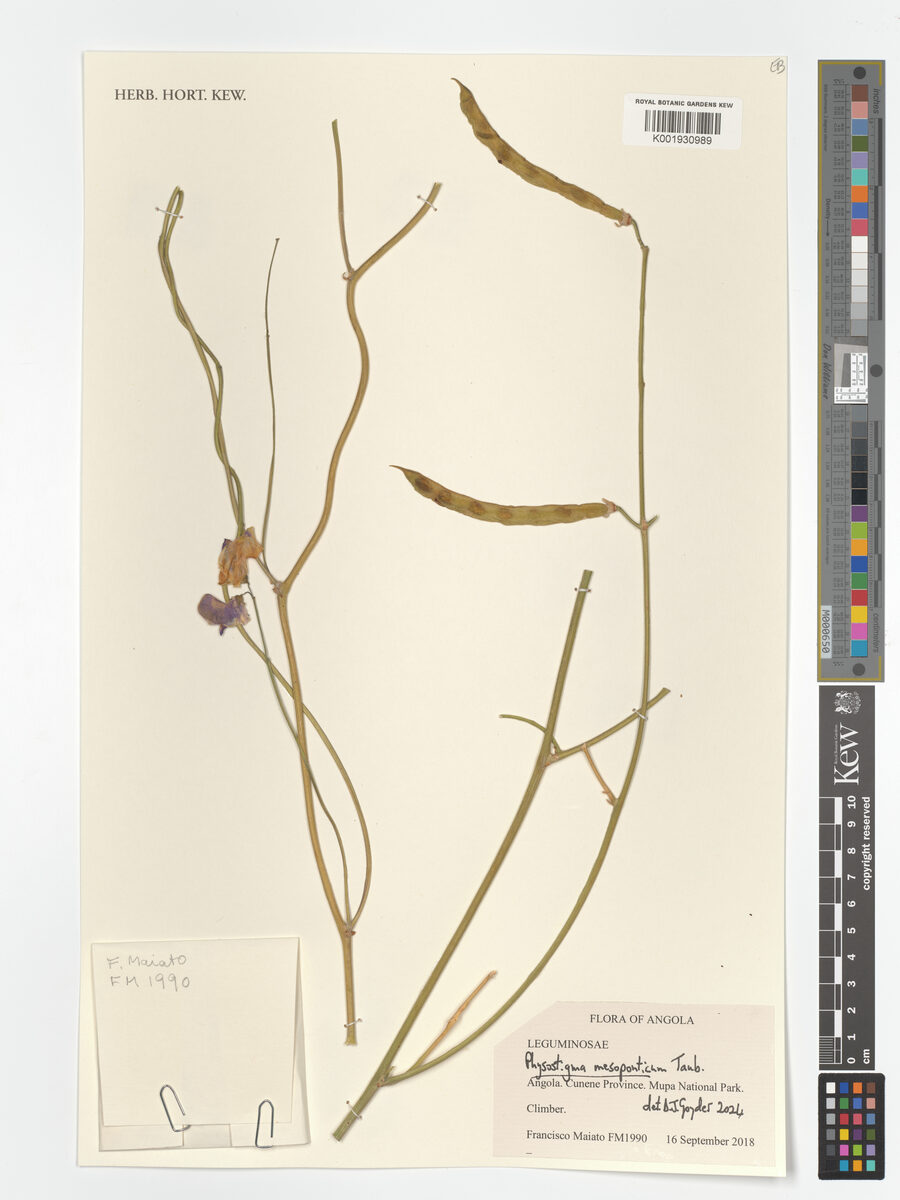
A creeping or climbing shrub. The stems are zigzag and hairy. The leaves have 3 leaflets along the stalk. The end leaflet is oval and 3-5 cm long by 1-3 cm wide. Side leaflets are smaller and oblique. They are hairy. The flower stalks are 2-4 cm long with 2-6 flowers. The flowers are 1 cm across. They are purple to yellow. The pods are round and inflated. There is one black seed. It is 4 mm long by 3 mm wide.
Edible Uses
Seeds are taken as food in boiled form, roasted form or in their natural state. The seedpod is 6 - 10mm long, containing a single, black seed around 3mm in diameter.
Distribution
It is a tropical plant. In southern China it grows in valleys between 300-700 m above sea level. In Yunnan.
Where It Grows
Asia, Cambodia, China, India, Indonesia, Malaysia, Myanmar, SE Asia, Sri Lanka,
Propagation
Like many species within the family Fabaceae, once they have ripened and dried the seeds of this species may benefit from scarification before sowing in order to speed up and improve germination. This can usually be done by pouring a small amount of nearly boiling water on the seeds (being careful not to cook them!) and then soaking them for 12 - 24 hours in warm water. By this time they should have imbibed moisture and swollen - if they have not, then carefully make a nick in the seedcoat (being careful not to damage the embryo) and soak for a further 12 hours before sowing.
Other Uses
We have seen no specific entry for this species, but all members of this genus have at least some merit for use as a ground cover and in local soil conservation projects.
Synonyms
Also Known As
Kattuthuvarai
References (2)
- Arinathan, V., et al, 2007, Wild edibles used by Palliyars of the western Ghats, Tamil Nadu. Indian Journal of Traditional Knowledge. 6(1) pp 163-168
- Salvi, J. et al, 2016, A review: Underutilized wild edible plants as a potential source of alternative nutrition. International Journal of Botany Studies. Volume 1; Issue 4; May 2016; Page No. 32-36