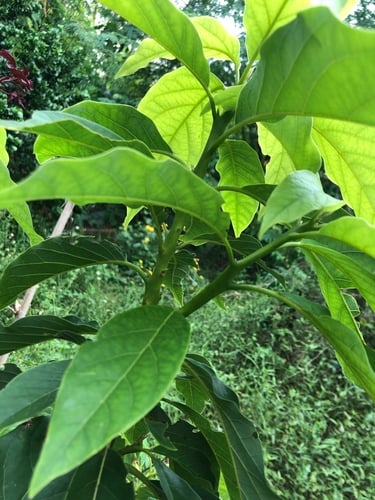
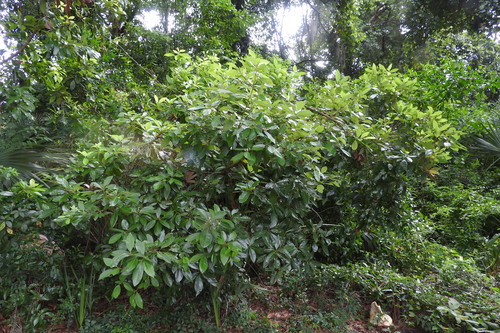
Litsea elongata
(Nees) Hook.f.
iNaturalist· cc-by-nc
(c) Lijin Huang (紫楝), some rights reserved (CC BY-NC), uploaded by Lijin Huang (紫楝)
iNaturalist· cc-by-nc
(c) 郭伯川, some rights reserved (CC BY-NC)
iNaturalist· cc-by-nc
(c) 郭伯川, some rights reserved (CC BY-NC)
Description
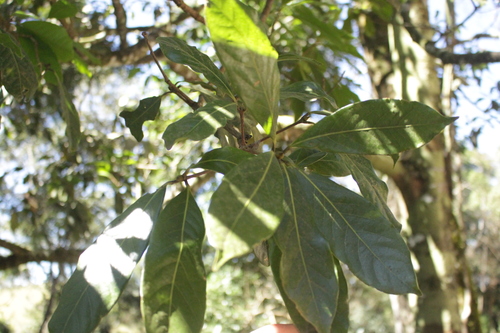
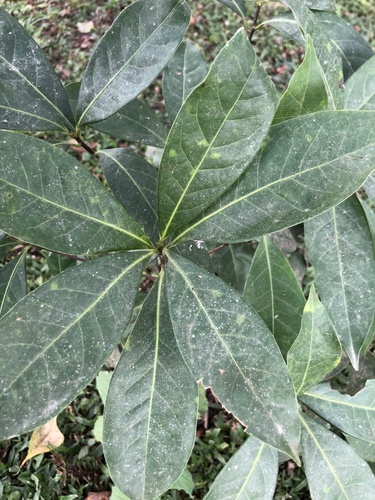
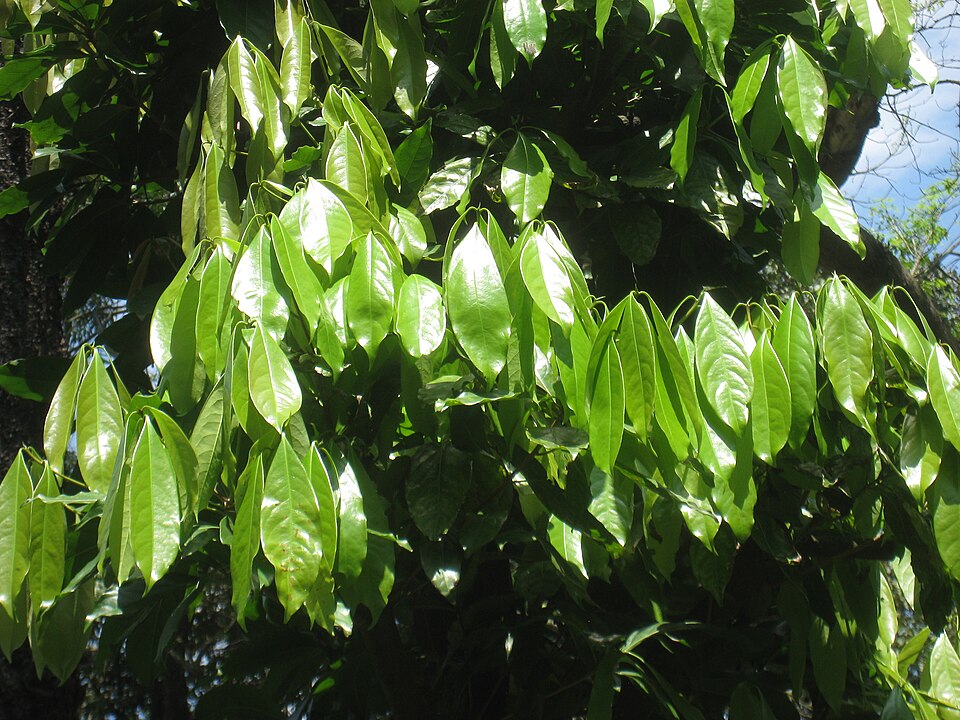
An evergreen tree. It grows 12 m tall. The trunk is 40 cm across. The young branches have a brown coating. The leaves are alternate. The leaves are oblong and 5-22 cm long by 2-6 cm wide.
Edible Uses
Oil is extracted from the seeds.
Distribution
It is a subtropical plant. It grows in shady moist places between 500-2,300 m above sea level. In XTBG Yunnan. In Sichuan.
Where It Grows
Asia, China, Himalayas, India, Myanmar, Northeastern India, Nepal, SE Asia, Vietnam,
Cultivation
Litsea elongata is found mainly in the warm temperate to subtropical regions, but also grows in tropical areas of southern China and northern India. This species is variable in the size and shape of its leaves, especially when growing in repeatedly disturbed secondary forests or dense thickets. A dioecious species, both male and female forms need to be grown if fruit and seed are required.
Other Uses
The seeds may be used as a source of oil for industrial purposes. An essential oil is obtained from the leaves and the fruits. The greyish-yellow wood is soft with an unpleasant scent when freshly cut. It is used for construction, furniture, etc.