Cinnamomum philippinense
(Merr.) C. E. Chang
Philippine cinnamon
iNaturalist· cc-by-nc
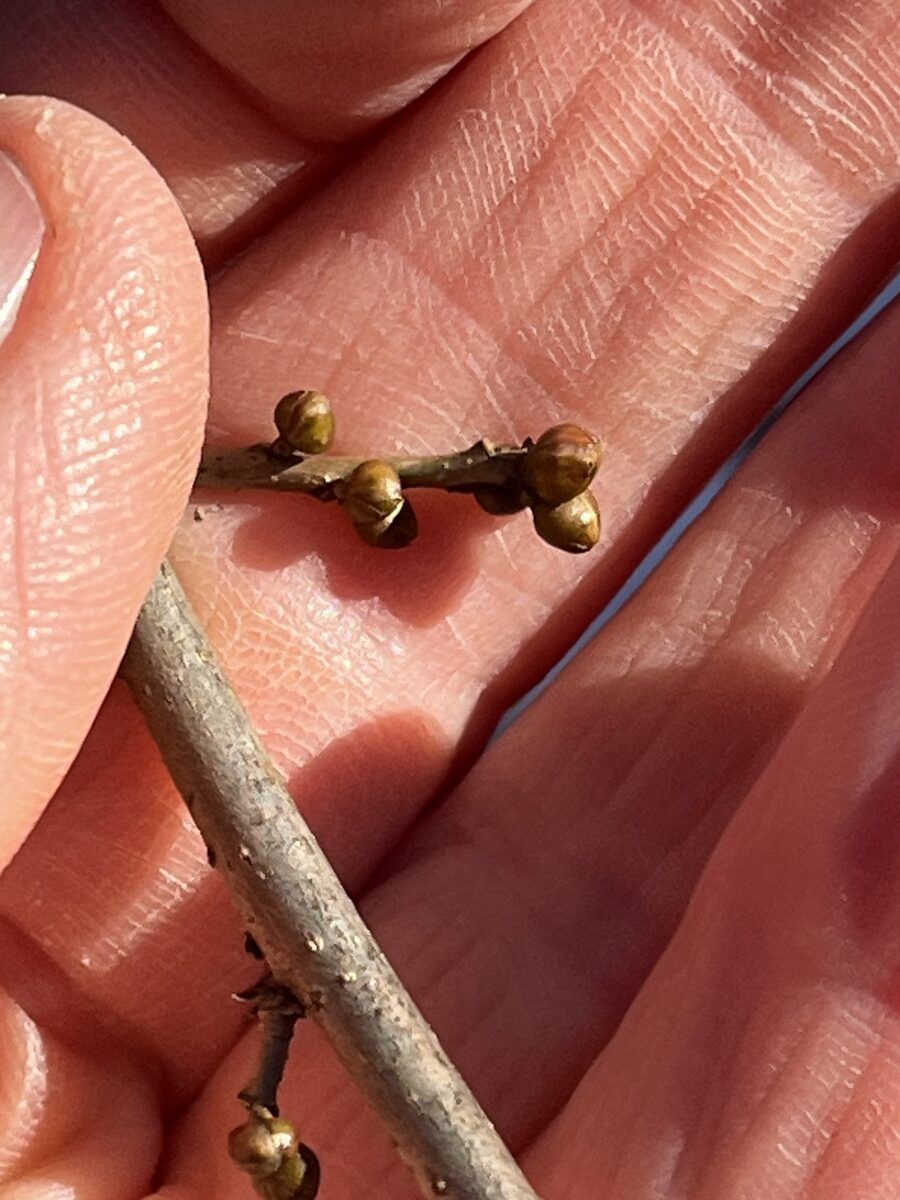
(c) Hong, some rights reserved (CC BY-NC)
iNaturalist· cc-by
(c) Cheng-Te Hsu, some rights reserved (CC BY)
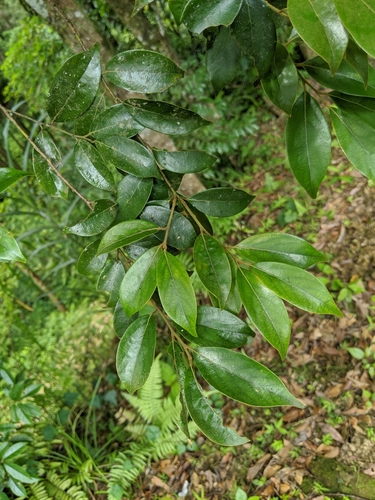
iNaturalist· cc-by
(c) Cheng-Te Hsu, some rights reserved (CC BY)
Summary
Source: WikipediaCinnamomum philippinense is a species of flowering plant in the family Lauraceae, native to Taiwan and the Philippines. It was first described by Elmer Drew Merrill in 1906 as Machilus philippinensis.
Description
An evergreen tree. It grows 15 m tall. The young brown have brown hairs. The leaves are alternate and oval or sword shaped. They are 6-9 cm long by 2-3 cm wide. It tapers to a tip and the base is wedge shaped. The leaf stalk is smooth and 1 cm long. The flowers are small and have both sexes. They are hairy and in groups of 12-16. These are in the axils of leaves or at the ends of branches. The groups are 6-10 cm long. The fruit is round and 7 mm across.
Edible Uses
The bark is used as a spice.
Known Hazards
None mentioned
Distribution
It is a tropical plant. It grows in secondary forests up to 1,000 m above sea level.
Where It Grows
Asia, Philippines, SE Asia, Taiwan,
Synonyms
References (1)
- Seidemann J., 2005, World Spice Plants. Economic Usage, Botany, Taxonomy. Springer. p 103
More from Lauraceae
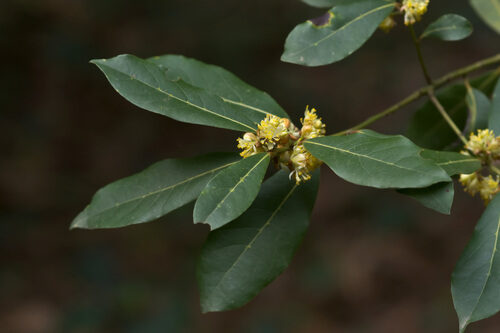
Laurus nobilis
Bay Tree, Sweet bay, Grecian Laurel, True Laurel
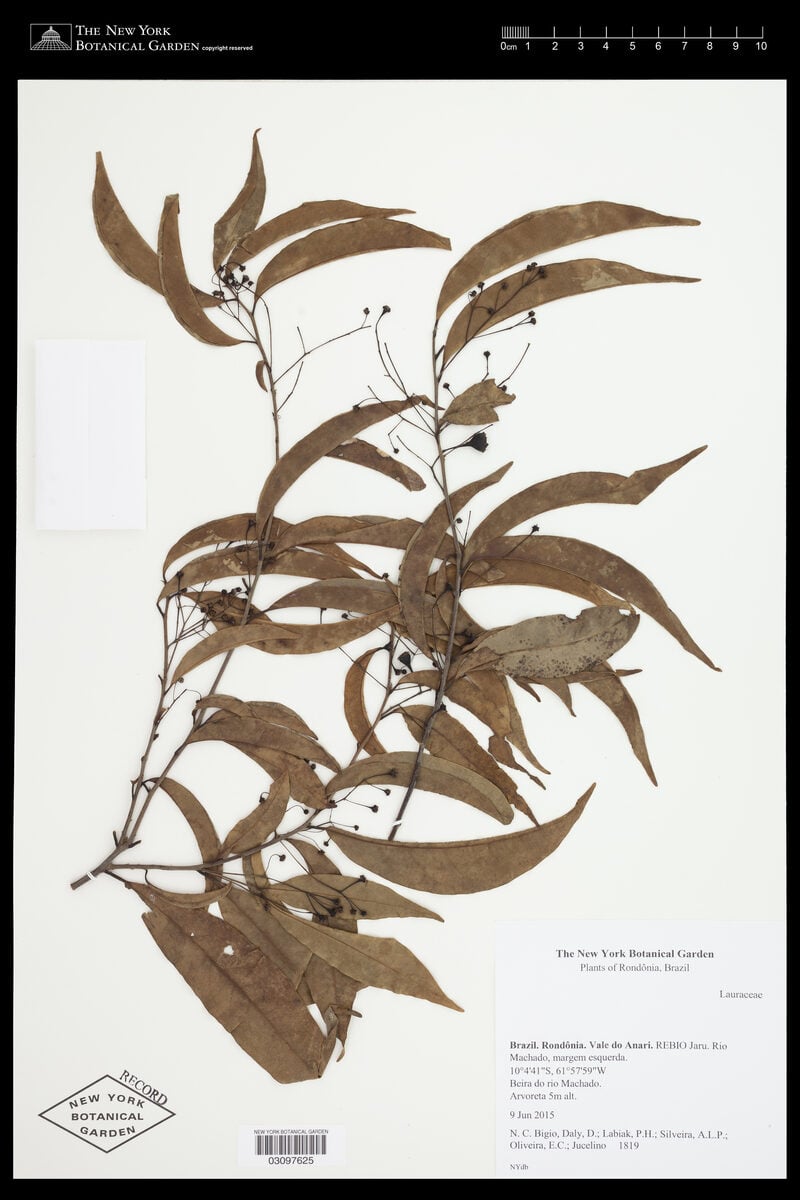
Licaria armeniaca
Apricot colour licaria
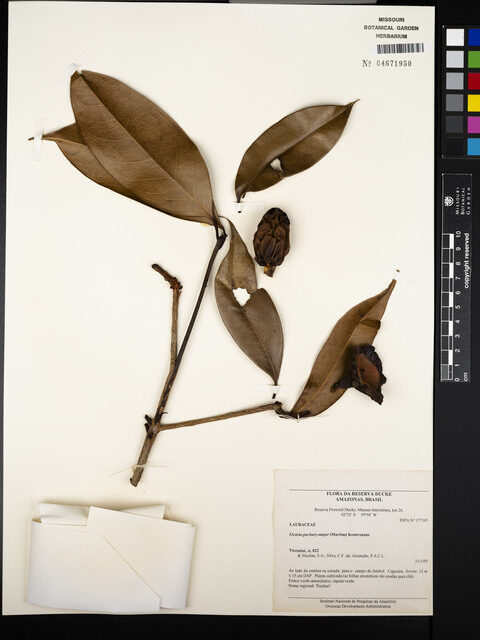
Licaria puchury-major
Amazon licaria
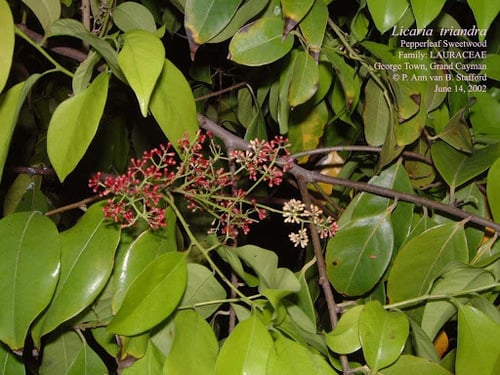
Licaria triandra
Florida licaria, Gulf licaria
Lindera benzoin - (L.)Blume.
Spice Bush, Northern spicebush, Bush Northern Spice
Lindera communis
Ta-hsiang-yieh-tzu-shu