Eugenia roxburghii
DC.
Roxburgh's cherry
iNaturalist· cc-by-sa
(c) Dinesh Valke, some rights reserved (CC BY-SA)
iNaturalist· cc-by-sa
(c) Srichakra Pranav Tamarapalli, some rights reserved (CC BY-SA)
wikimedia· cc-by
Wikimedia Commons - Lalithamba from India
Summary
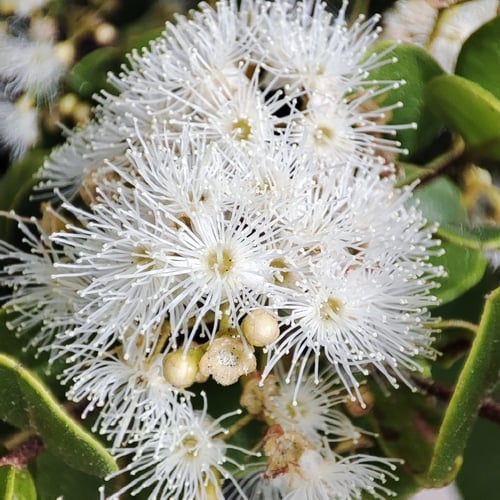
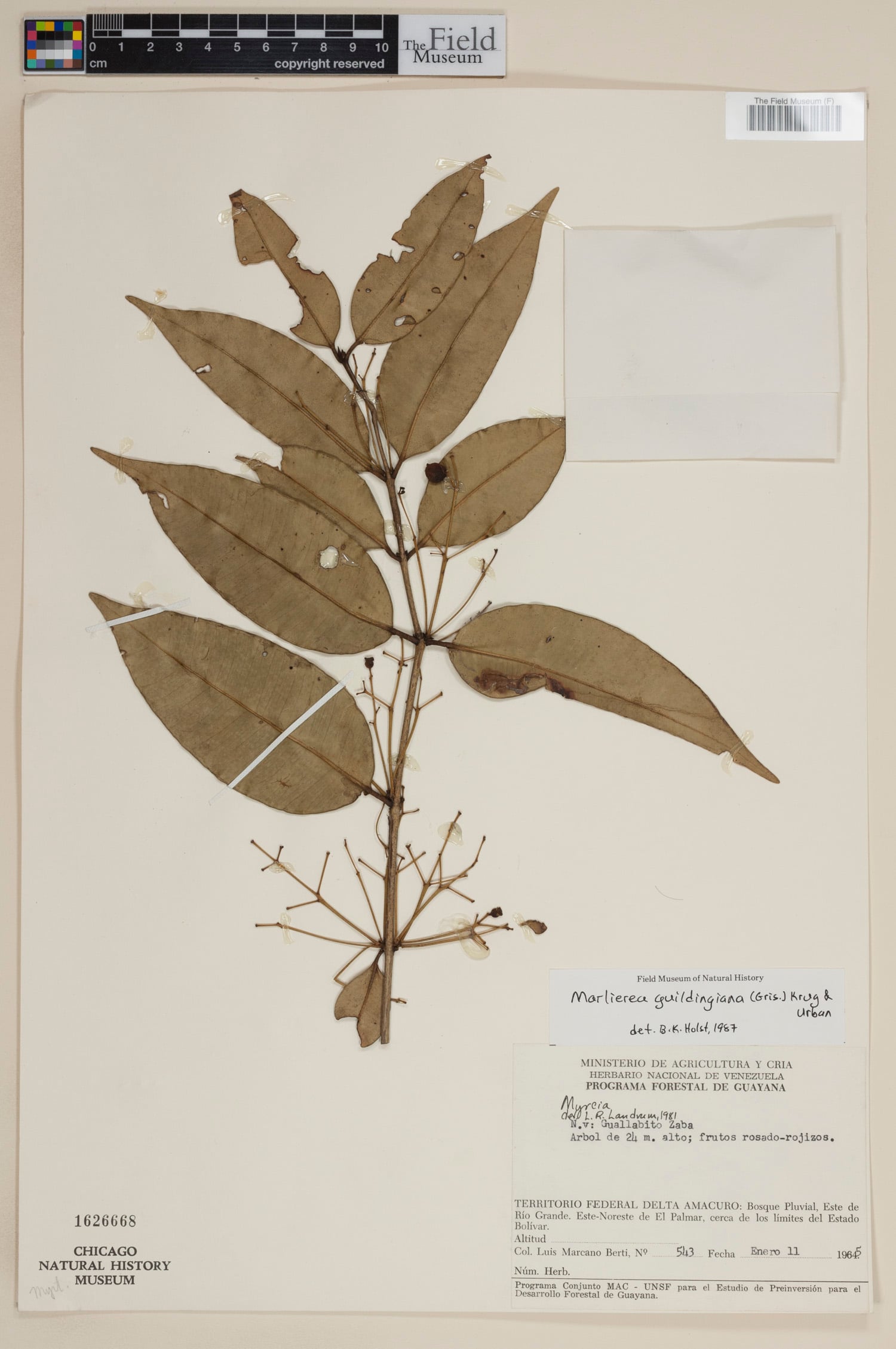
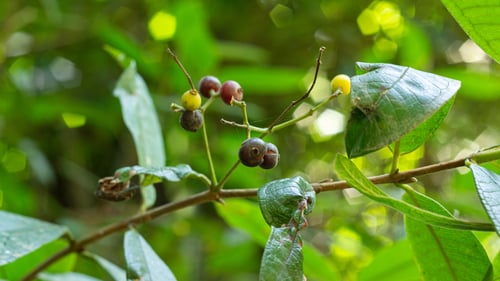
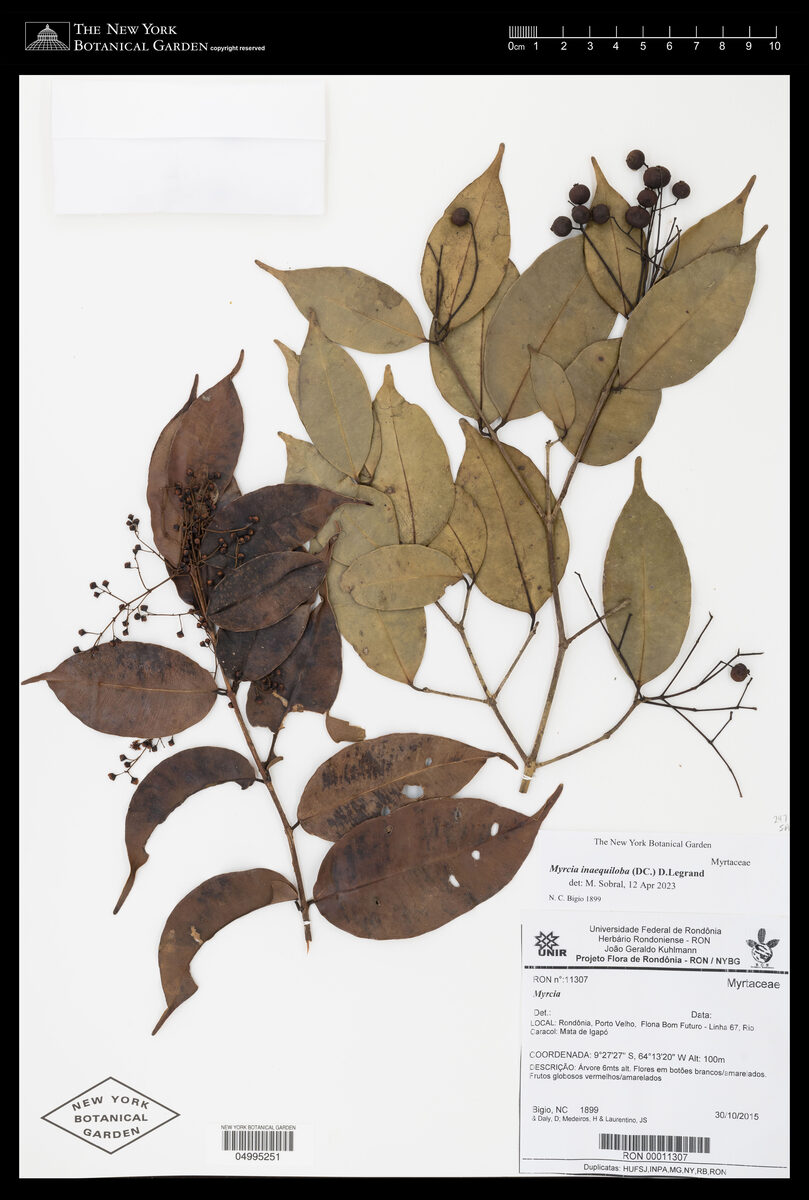
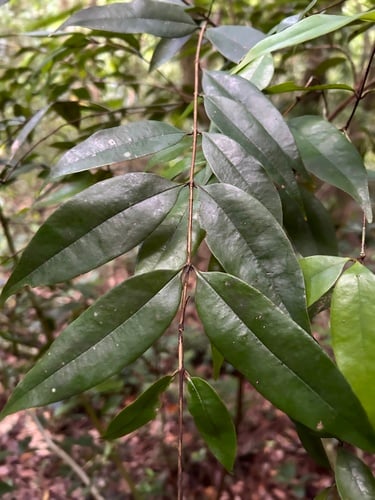
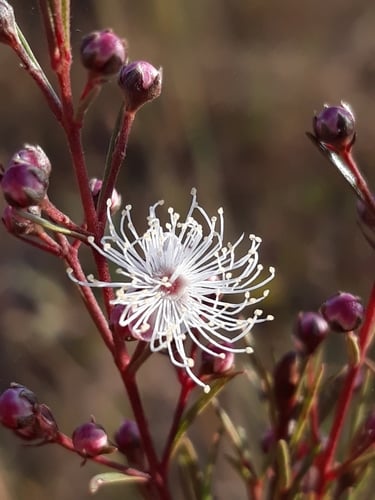
Source: WikipediaEugenia roxburghii (commonly known as Roxburgh's Cherry) is a species of plant in the family Myrtaceae which is native to India and Sri Lanka. It is a 5 metres (16 ft) tall tree with round, rough, brown branches. Leaves are shiny green in color which are oppositely arranged. Flowers are white in color and have four-petals. Fruit is a deep orange-colored berry. Flowering starts on March and ends with late April.
Description
A large shrub or small tree. It grows 1-8 m tall. The leaves are oval or sword shaped. They are 7 cm long by 3 cm wide. The flowers are 7 mm across. There are 2 or 3 flowers together in the axils of leaves. The petals are white. The fruit is a berry that is orange or red.
Edible Uses
The ripe fruit are eaten fresh.
Traditional Uses
The ripe fruit are eaten.
This uses section is brief — help expand it
Distribution
It is a subtropical plant.
Where It Grows
Asia, Bangladesh, Cambodia, India, Indochina, Northeastern India, SE Asia, Sri Lanka, Vietnam,
Production
In Kerala it was flowering and fruiting in March and April.
Other Information
It is a cultivated plant.
Nutrition
| Part | Moisture | kJ | kcal | Protein | Vit A | Vit C | Iron | Zinc |
|---|---|---|---|---|---|---|---|---|
| Fruit | 66.3 | — | — | 0.7 | — | 18.5 | — | — |
Synonyms
Also Known As
Harch, Haroh, Hijli jam, Jangmi reng reng, Lukluki-jam, Menadi, Misi-ia-thep, Pring uel, Sagarabatua, Thingsenti, Unchana
References (10)
- Ambasta, S.P. (Ed.), 2000, The Useful Plants of India. CSIR India. p 613 (As Syzygium bracteatum)
- Cengel, D. J. & Dany, C., (Eds), 2016, Integrating Forest Biodiversity Resource Management and Sustainable Community Livelihood Development in the Preah Vihear Protected Forest. International Tropical Timber Organization p 121 (As Syzygium bracteatum)
- Ethnobotany of Karbis. Chapter 4 in p 104 (As Eugenia bracteata Roxb.)
- Jeeva, S., 2009, Horticultural potential of wild edible fruits used by the Khasi tribes of Meghalaya. Journal or Horticulture and Forestry Vol. 1(9) pp. 182-192 (As Eugenia bracteata)
- Mahapatra, A. K., et al, 2012, Nutrient Analysis of some selected wild edible fruits of deciduous forests of India. Advance Journal of Food Science and Technology 4(1):15-21 (As Eugenia rothii)
Show all 10 references Hide references
- Pasha, M. K. & Uddin, S. B., 2019, Minor Edible Fruits of Bangladesh. Bangladesh J. Plant Taxon. 26(2): 299–313
- Phon, P., 2000, Plants used in Cambodia. © Pauline Dy Phon, Phnom Penh, Cambodia. p 577 (As Syzygium bracteatum)
- Sawian, J. T., et al, 2007, Wild edible plants of Meghalaya, North-east India. Natural Product Radiance Vol. 6(5): p 416 (As Eugenia bracteata)
- Singh, V. B., et al, (Ed.) Horticulture for Sustainable Income and Environmental Protection. Vol. 1 p 220
- Wild edible plants of Himachal Pradesh (As Syzygium ruscifolium)