Lonicera xylosteum
L.
iNaturalist· cc-by-nc
(c) Rob Routledge, some rights reserved (CC BY-NC), uploaded by Rob Routledge
iNaturalist· cc-by-nc
(c) stevenb, some rights reserved (CC BY-NC)
Summary
Source: WikipediaLonicera xylosteum, commonly known as fly honeysuckle, European fly honeysuckle, dwarf honeysuckle or fly woodbine is a deciduous shrub. Its fruit persists for an average of 15.4 days, and bears an average of 4.5 seeds per fruit. Fruits average 88.6% water, and their dry weight includes 43.4% carbohydrates and 1.2% lipids. The glossy red (or occasionally yellow) berries of this shrub are mildly poisonous to humans – children who ingest a large number (c. 30) of berries may experience abdominal pain and vomiting.
Description
A deciduous shrub in the Caprifoliaceae family found in temperate climates. The fruit are eaten as a snack.
This description is brief — help expand it
Edible Uses
The fruit are eaten as a snack.
Traditional Uses
The fruit are eaten as a snack.
This uses section is brief — help expand it
Distribution
It is a temperate climate plant.
Where It Grows
Balkans, Estonia, Europe, Luxembourg, Macedonia, Slovenia,
Also Known As
Kukepuu, Puhastolistno kosteničevje, Ukekuusmaa, Sadakordne
References (2)
- http://www.botanic-gardens-ljubljana.com/en/plants
- Kalle, R. & Soukand, R., 2012, Historical ethnobotanical review of wild edible plants of Estonia (1770s-1960s) Acta Societatis Botanicorum Poloniae 81(4):271-281
More from Caprifoliaceae
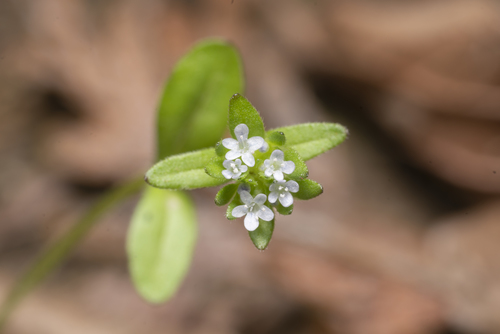
Valerianella carinata
Keeled-fruited cornsalad, European Cornsalad, Pancagiolo, Pancagiotto, Gallinella
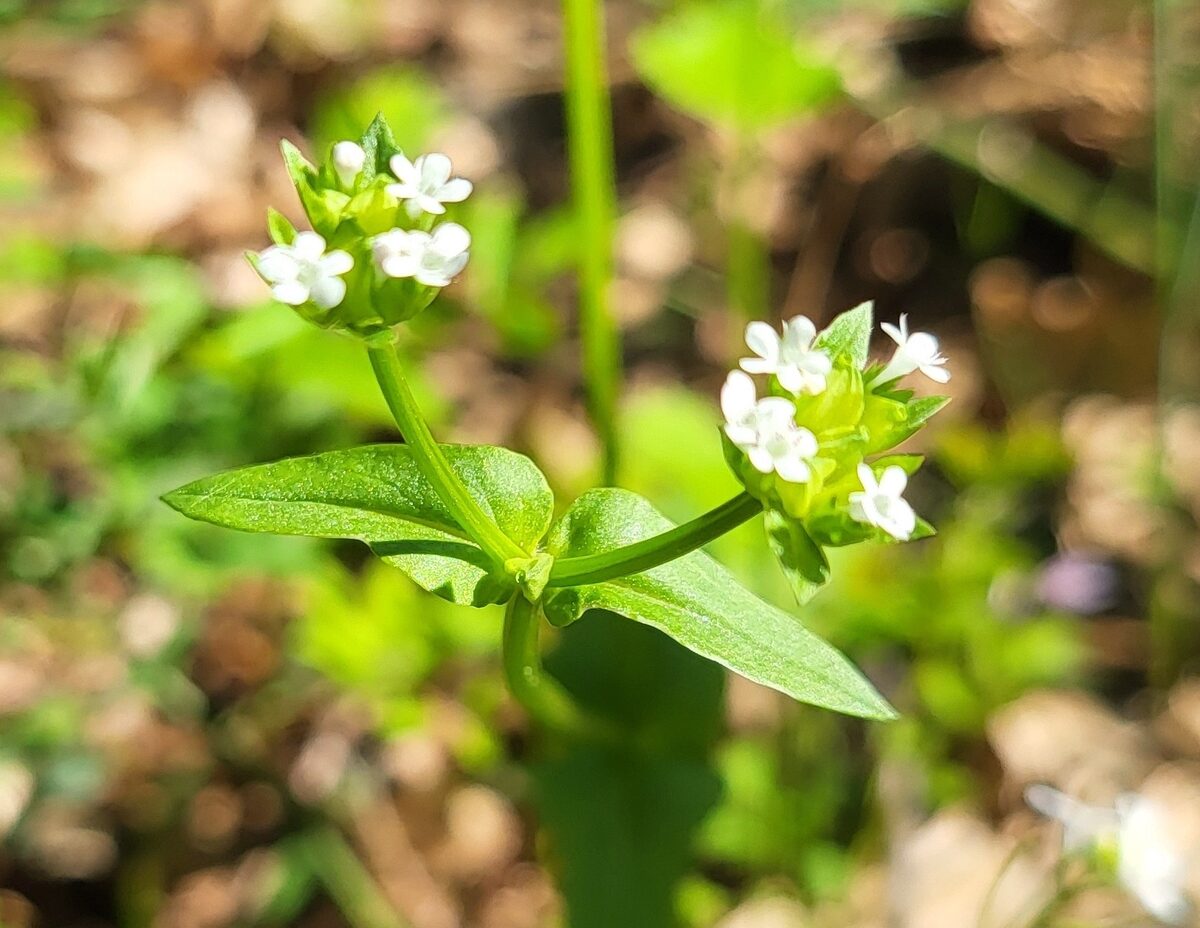
Valerianella chenopodifolia - (Pursh.)DC.
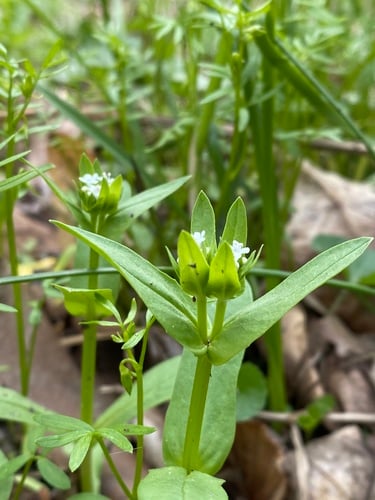
Valerianella chenopodiifolia
Goose-foot Cornsalad
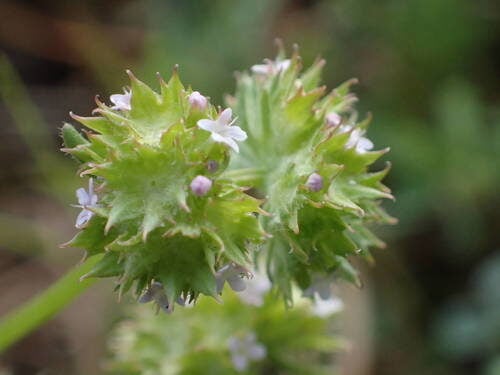
Valerianella discoidea
Lesser Cornsalad
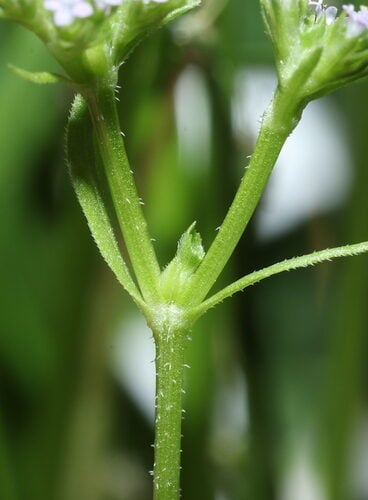
Valerianella eriocarpa
Italian Corn Salad
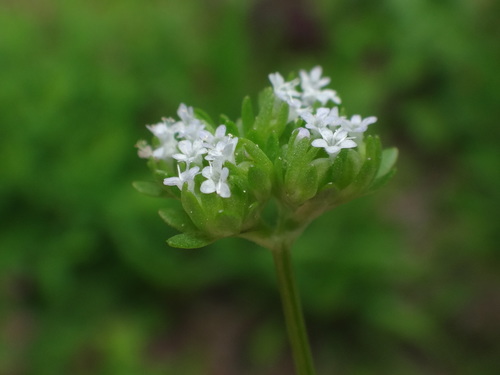
Valerianella locusta
Corn salad, White pot herb, European lamb's lettuce