Silene latifolia
Poir.
White campion
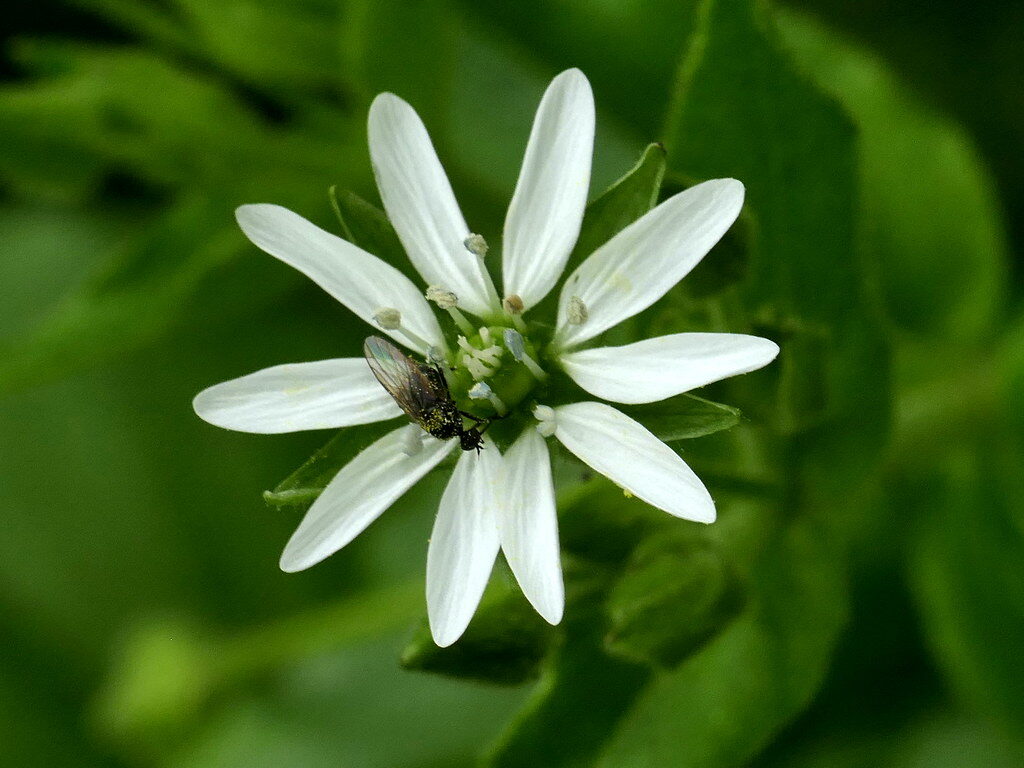
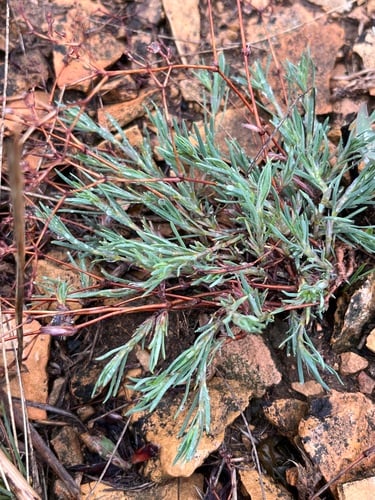
iNaturalist· cc-by-nc
(c) quandary, some rights reserved (CC BY-NC)
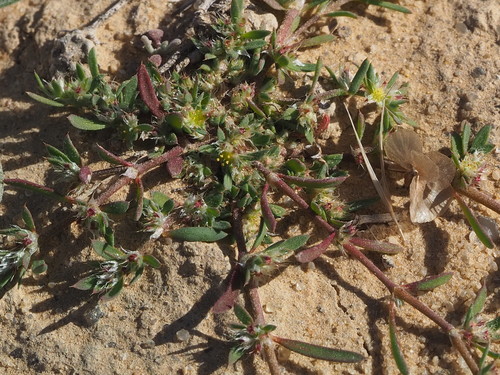
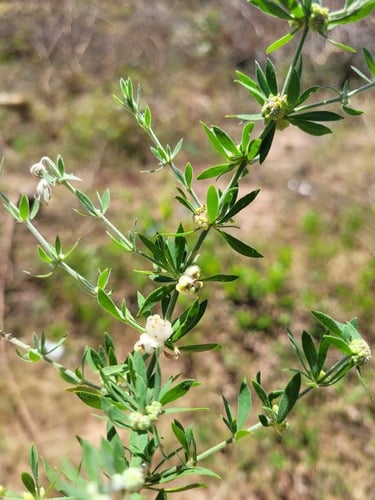
iNaturalist· cc-by-sa
(c) Douglas Goldman, some rights reserved (CC BY-SA), uploaded by Douglas Goldman
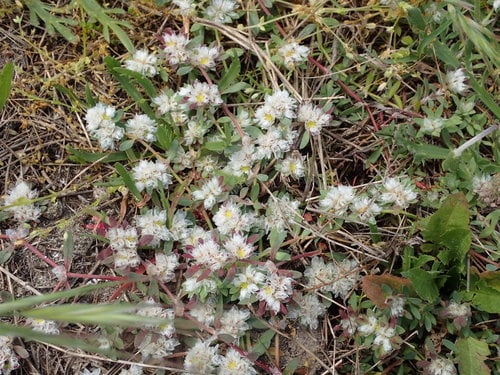
iNaturalist· cc-by-nc
(c) Zolotukhina Irina, some rights reserved (CC BY-NC), uploaded by Zolotukhina Irina
Summary
Source: WikipediaSilene latifolia, commonly known as white campion, is a dioecious flowering plant in the family Caryophyllaceae, native to most of Europe, Western Asia and northern Africa. It is a herbaceous annual, occasionally biennial or a short-lived perennial plant, growing to between 40–80 centimetres tall. It is also known in the US as bladder campion but should not be confused with Silene vulgaris, which is more generally called bladder campion. The appearance depends on the age of the plant; when young they form a basal rosette of oval to lanceolate leaves 4–10 cm long, and when they get older, forked stems grow from these, with leaves in opposite pairs. The flowers grow in clusters at the tops of the stems, 2.5–3 cm diameter, with a distinctive inflated calyx and five white petals, each petal deeply notched; flowering lasts from late spring to early autumn. The entire plant is densely hairy. Occasional plants with pink flowers are usually hybrids with red campion (Silene dioica).
Description
A herb. It grows each year from seed. It grwos 40-80 cm tall. The leaves are sword shaped and 6-8 cm long by 1-3 cm wide. They are hairy.
This description is brief — help expand it
Edible Uses
None known
Traditional Uses
The young leaves are boiled and eaten. They are used in stews.
This uses section is brief — help expand it
Medicinal Uses
None known
Known Hazards
Although no mention of toxicity has been seen for this species, it does contain saponins. Although toxic, these substances are very poorly absorbed by the body and so tend to pass through without causing harm. They are also broken down by thorough cooking. Saponins are found in many plants, including several that are often used for food, such as certain beans. It is advisable not to eat large quantities of food that contain saponins. Saponins are much more toxic to some creatures, such as fish, and hunting tribes have traditionally put large quantities of them in streams, lakes etc in order to stupefy or kill the fish.
Distribution
It is a Mediterranean climate plant. In China it grows between 1,100-1,500 m above sea level.
Where It Grows
Armenia, Asia, Australia, Balkans, Bosnia, Caucasus, Central Asia, China, Croatia, Europe, Georgia, Italy, Mediterranean, North America, Slovenia, Spain, Tajikistan, Tasmania, USA,
Cultivation
Succeeds in any good sweet loam in a sunny position. Plants tend to be short-lived and are sometimes only annual. Hybridizes readily with S. dioica. The plant attracts moths. The smut, Ustilago violacea, causes the production of stamens in female flowers, but violet spores of the fungus replace the pollen grains. Dioecious. Male and female plants must be grown if seed is required.
Propagation
Sow seed in early spring in a cold frame. When large enough to handle, prick seedlings out into individual pots and plant out in summer. Divide in spring — larger divisions can go directly into permanent positions, while smaller divisions do best potted up and grown on in a lightly shaded cold frame until well established, then planted out in summer.
Other Uses
The root is used as a soap substitute for washing clothes. The soap is obtained by simmering the root in hot water.
Other Information
It is sold in local markets.
Synonyms
Also Known As
Bela lepnica, Usac, Usak, Usi, Loboda, Xiulitera, Yezan lezu, Zecje
References (8)
- Biscotti, N. et al, 2018, The traditional food use of wild vegetables in Apulia (Italy) in the light of Italian ethnobotanical literature. Italian Botanist 5:1-24
- Bussman, R. W., et al, 2016, A comparative ethnobotany of Khevsureti, Samtskhe-Javakheti, Tusheti, Svaneti, and Racha-Lechkhumi, Republic of Georgia (Sakartvelo), Caucasus. Journal of Ethnobiology and Ethnomedicine (2016) 12:4 (As Melandrium boissieri)
- http://www.botanic-gardens-ljubljana.com/en/plants
- Luczaj et al, 2013, Wild vegetable mixes sold in the markets of Dalmatia (southern Croatia). Journal of Ethnobiology and Ethnomedicine. 8:2
- Luczaj, L. et al, 2013, Wild food plants used in the villages of the Lake Vrana Nature Park (northern Dalmatia, Croatia). Acta Societatis Botanicorum Poloniae, 82(4): 275-281
Show all 8 references Hide references
- Luczaj, L. et al, 2014, Wild Food Plants of Dalmatia (Croatia). in A. Pieroni, C. L. Quave (eds.), Ethnobotany and Biocultural Diversities in the Balkans, p 143
- Pieroni, A., et al, 2020, Wild food plants traditionally gathered in central Armenia: archaic ingredients or future sustainable foods? Environment, Development and Sustainability. Springer p 11
- Tardio, J., et al, Ethnobotanical review of wild edible plants in Spain. Botanical J. Linnean Soc. 152 (2006), 27-71