Buddleja marrubiifolia
Benth.
Woolly butterfly bush
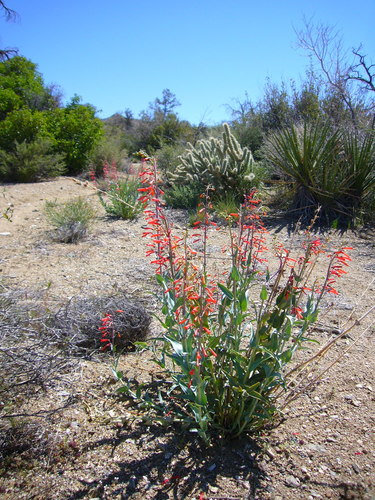
iNaturalist· cc-by-nc
(c) Carlos G Velazco-Macias, some rights reserved (CC BY-NC), uploaded by Carlos G Velazco-Macias
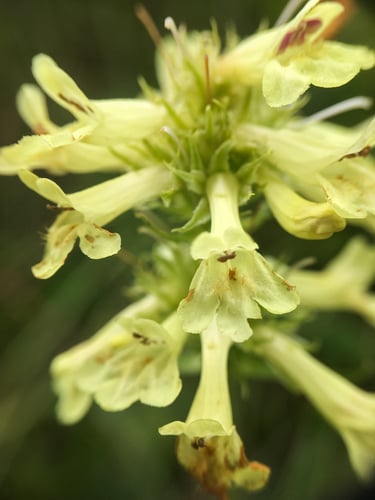
iNaturalist· cc-by-nc
(c) Richard Reynolds, some rights reserved (CC BY-NC), uploaded by Richard Reynolds
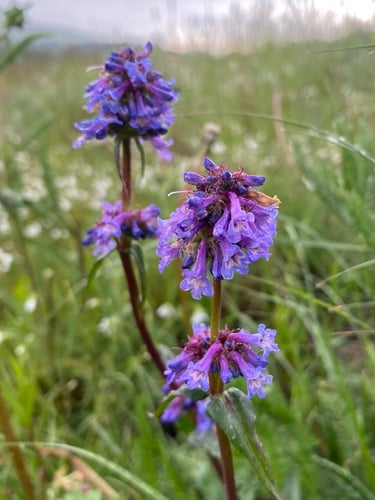
iNaturalist· cc-by-nc
(c) Richard Reynolds, some rights reserved (CC BY-NC), uploaded by Richard Reynolds
Summary
Source: WikipediaBuddleja marrubiifolia, commonly known as the woolly butterflybush, is a perennial shrub which is endemic to the Chihuahuan Desert from southern Texas to San Luis Potosí in Mexico, where it grows on limestone and gypsum soils in canyons and arroyos at elevations of 600 to 2,250 m (1,970 to 7,380 ft) elevation. The species was first named and described by George Bentham in 1846.
Description
A shrub. It grows 2 m tall. The bark is greyish black. The leaves are oval and 1-3 cm long by 0.6-1.5 cm wide. It has a coating on both surfaces. The flowers are in a round head about 1 cm across and made up of 35 flowers. They are yellow and turn orange.
Edible Uses
The leaves are used to make tea.
Distribution
It is a tropical plant. It grows in deserts and limestone country. It grows between 600 - 2,250 m above sea level. It suits USDA hardiness zone 7.
Where It Grows
Britain, Europe, France, Hawaii, Mexico, North America, USA,
Synonyms
Also Known As
Azafran
References (3)
- Piedra-Malagón, E. M., et al, 2022, Edible native plants of the Gulf of Mexico Province. Biodiversity Data Journal 10: e80565 p 30
- Reis, S. V. and Lipp, F. L., 1982, New Plant Sources for Drugs and Foods from the New York Botanical Garden herbarium. Harvard. p 240
- World Checklist of Useful Plant Species 2020. Royal Botanic Gardens, Kew