Pereskia weberiana
K. Schum.
iNaturalist· cc-by-nc
(c) Martin Lowry, some rights reserved (CC BY-NC), uploaded by Martin Lowry
iNaturalist· cc-by-nc
(c) Martin Lowry, some rights reserved (CC BY-NC), uploaded by Martin Lowry
iNaturalist· cc-by-nc
(c) Martin Lowry, some rights reserved (CC BY-NC), uploaded by Martin Lowry
Description
A cactus that is like a succulent. The stems are slender and branched. It has spines. The leaves are oval. The flowers are white/pink.
This description is brief — help expand it
Edible Uses
The genus is not of great economic importance. Pereskia aculeata has edible fruit and is widely cultivated. The fruit contains numerous small seeds. It somewhat resembles a gooseberry in appearance and is of excellent flavor. This plant is a declared weed in South Africa. It can also be used as a rootstock for grafting of Schlumbergera to create miniature trees.
Distribution
It is a tropical plant. It grows in seasonally dry areas. In Bolivia it grows up to 2,000 m above sea level
Where It Grows
Andes, Bolivia*, South America,
Cultivation
Most Pereskia species occur in dry forests and thorn-scrub habitats in a tropical climate with a more or less pronounced dry season of about two to five months. The plant has fleshy root swellings that enable it to survive long periods of drought during which some or even all distal stem parts may die off to near the rootstock. In cultivation the fruits mature within a few weeks after flowering.
Synonyms
References (1)
- Reis, S. V. and Lipp, F. L., 1982, New Plant Sources for Drugs and Foods from the New York Botanical Garden herbarium. Harvard. p 201
More from Cactaceae
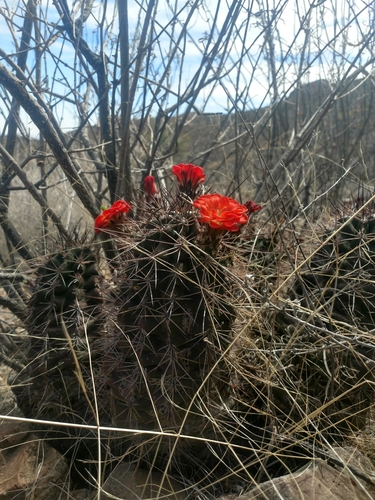
Echinocereus polyacanthus
Giant claret-cup cactus, Salmon-flowered hedgehog, Spiny hedgehog

Echinocereus pulchellus
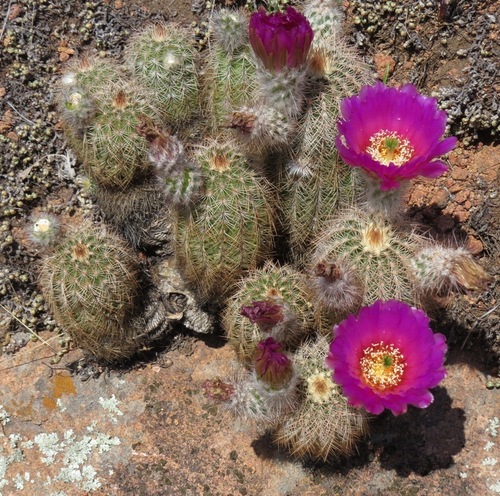
Echinocereus reichenbachii
Black lace cactus, Classen's cactus, Fitch's hedgehog cactus, Lace cactus, Merry widow cactus, Purple candle cactus
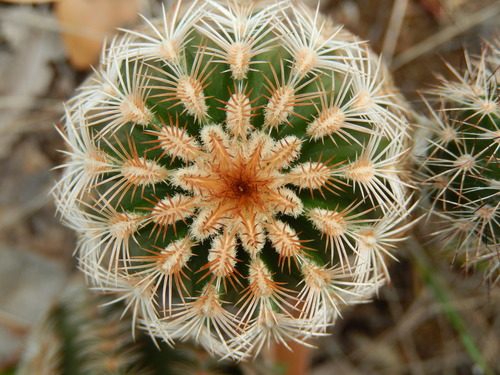
Echinocereus reichenbachii subsp. armatus
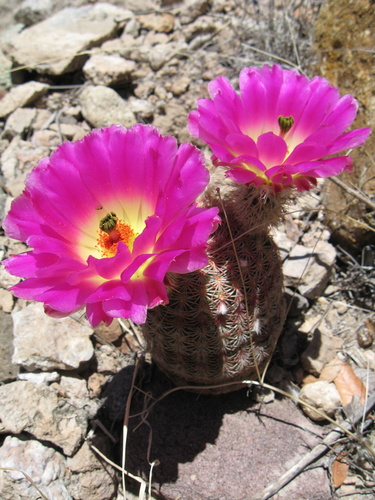
Echinocereus rigidissimus
Rainbow hedge-hog cactus
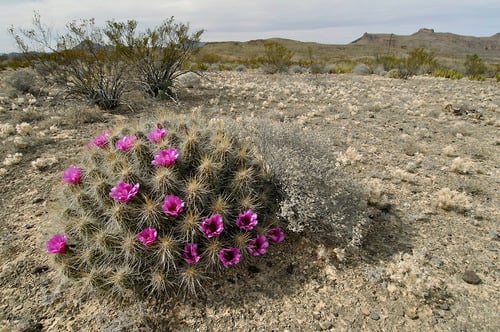
Echinocereus stramineus
Mexican strawberry, Porcupine hedgehog cactus