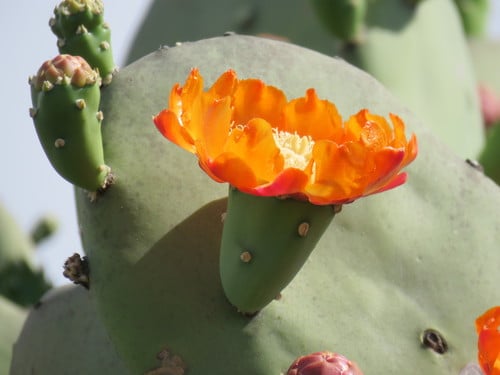
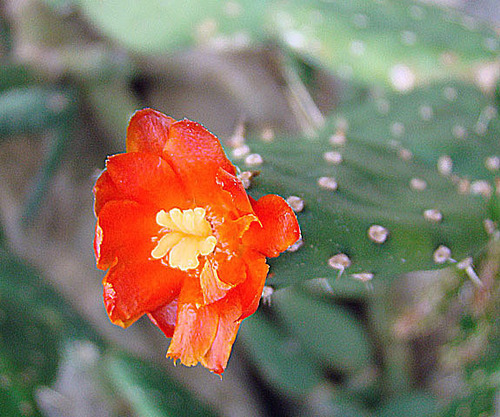
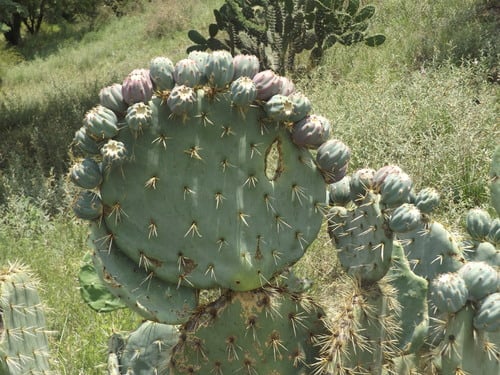
Melocactus curvispinus
Pfeiff.
iNaturalist· cc-by-nc
(c) ecosdelatierraac, some rights reserved (CC BY-NC)
iNaturalist· cc-by-nc
(c) ecosdelatierraac, some rights reserved (CC BY-NC)
iNaturalist· cc-by-nc
(c) ecosdelatierraac, some rights reserved (CC BY-NC)
Summary
Source: WikipediaMelocactus curvispinus is a species of Melocactus found from southern Mexico to Venezuela.
Description
A tropical cactus in the family Cactaceae, bearing red edible fruit.
This description is brief — help expand it
Edible Uses
The stems are used to make candy. Cubes of the plant's flesh are cooked in a concentrated sugary solution and turned into sweets - the cactus merely acts as a vehicle for the sugary flavour Fruit - raw. A pleasant taste. The bright red to deep magenta fruit is usually 18 - 40mm long (exceptionally to 60mm) and 8 - 16mm in diameter.
Medicinal Uses
The plant is used in medicinal drinks. No more information
Distribution
It is a tropical plant.
Where It Grows
Andes, Central America, Colombia, Guatemala, Mexico, South America,
Cultivation
Melocactus curvispinus is found in arid and semi-arid lands of tropical and subtropical zones at elevations up to 1,250 metres.
Other Information
The fresh fruit are tasty.
Synonyms
Also Known As
Barba de viejo, Cabeza de negro
References (5)
- Kermath, B. M., et al, 2014, Food Plants in the Americas: A survey of the domesticated, cultivated and wild plants used for Human food in North, Central and South America and the Caribbean. On line draft. p 529
- Lopez-Diago, D. & Garcia, N., 2021, Wild edible fruits of Colombia. Biota ColomBiana 22 (2) p 34
- Reis, S. V. and Lipp, F. L., 1982, New Plant Sources for Drugs and Foods from the New York Botanical Garden herbarium. Harvard. p 200 (As Cactus maconii)
- Roa, J. A. G. & Boada, D. S. G., 2018, Fundación para el Fortalecimiento de la Fruticultura y Plantas Alimenticias no Convencionales en Colombia.
- Rosero-Toro, et al, 2018, Cultural significance of the flora of a tropical dry forest in the Doche vereda (Villavieja, Huila, Colombia). Journal of Ethnobiology and Ethnomedicine (2018) 14:22 p 11