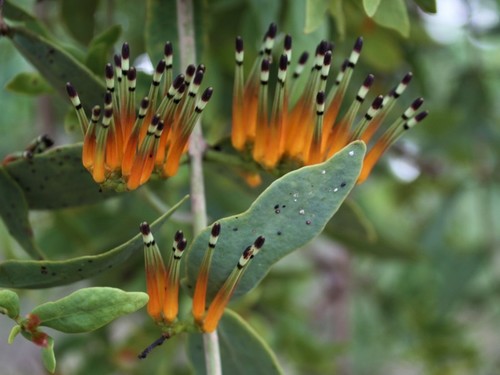
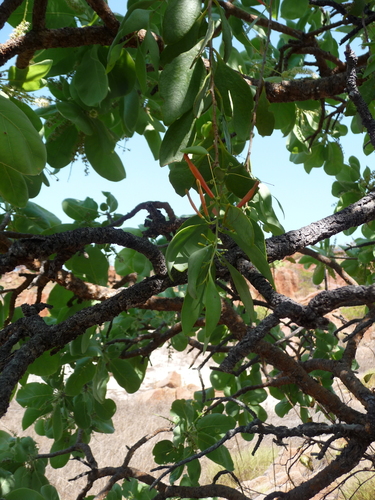
Loranthus exocarpi
Behr
wikimedia· cc0
Wikimedia Commons - Linnean Society NSW (Life time: 1925)
Description
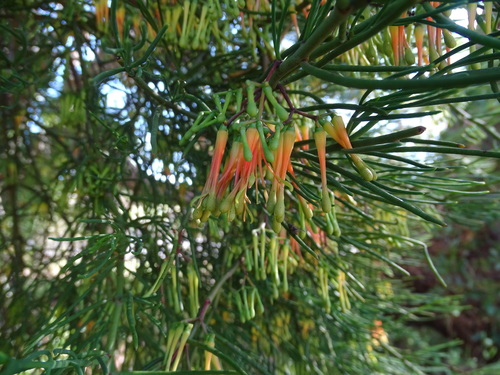
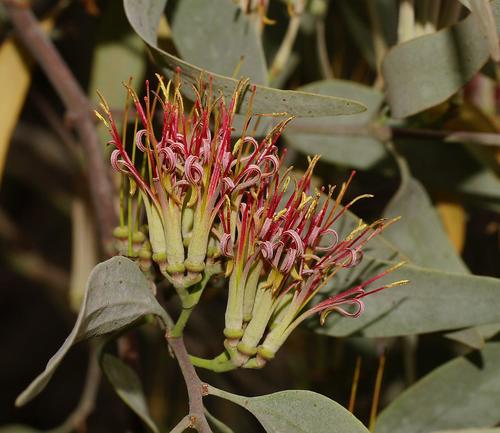
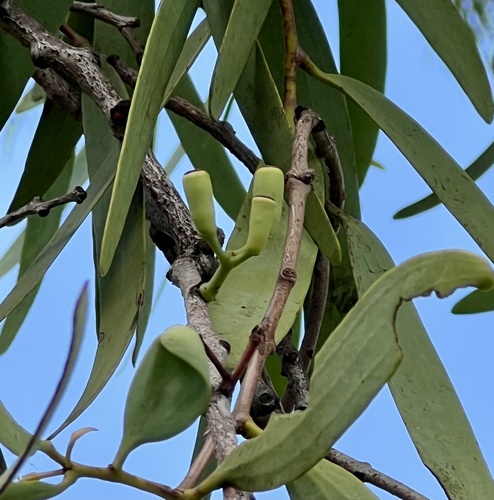
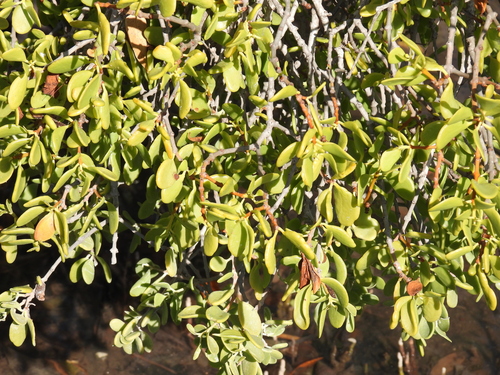
A tropical shrub in the Loranthaceae family found in Queensland, Australia, that produces edible fruit.
This description is brief — help expand it
Edible Uses
The fruit are eaten.
Medicinal Uses
In Europe mistletoe leaves and young twigs are used by herbalists, especially in Germany, for treating circulatory and respiratory system problems. Mistletoe extract is sold as Iscador, Helixor, and several other trade names. Use of mistletoe extract in the treatment of cancer originated with Rudolf Steiner, the founder of Anthroposophy. He compared the parasitic nature of the mistletoe plant to that of cancer, and believed that cancer represents a faltering of the body's spiritual defenses. Public interest in the United States was spurred in 2001 following actress Suzanne Somers' decision to use Iscador in lieu of chemotherapy following her treatment for breast cancer. Available clinical evidence, however, does not support claims of anti-cancer effect, quality of life, or other outcomes from the use of mistletoe extract. In 2007 researchers from Griffith University in Queensland found that a new natural product, lysianadioic acid, isolated from Lysiana subfalcata(in the same genus) was a carboxypeptidase B (CPB) inhibitor. It is a potent inhibitor of CPB with an IC50 of 0.36 lM. This is the first known example of a small molecule CPB inhibitor isolated from plant origin.
Distribution
It is a tropical plant. It grows in Queensland in Australia.
Where It Grows
Australia*,
References (1)
- Reis, S. V. and Lipp, F. L., 1982, New Plant Sources for Drugs and Foods from the New York Botanical Garden herbarium. Harvard. p 48