Chlorogalum parviflorum
S. Watson
Smallflower soapplant
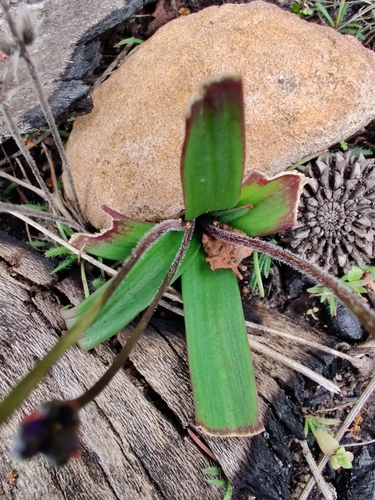
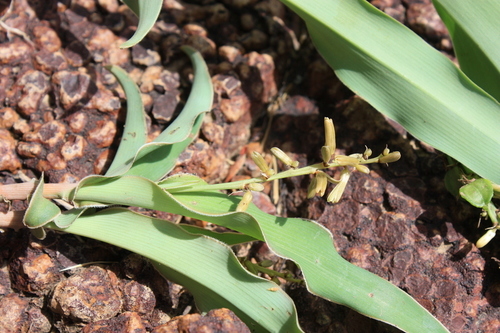
iNaturalist· cc-by-nc
(c) Rachel S., some rights reserved (CC BY-NC)
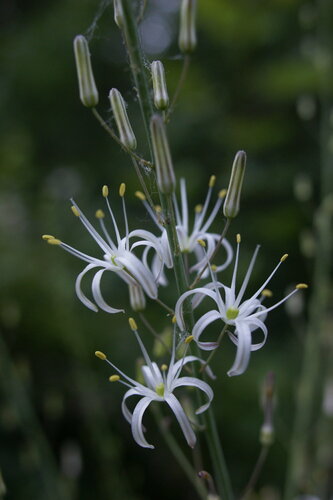
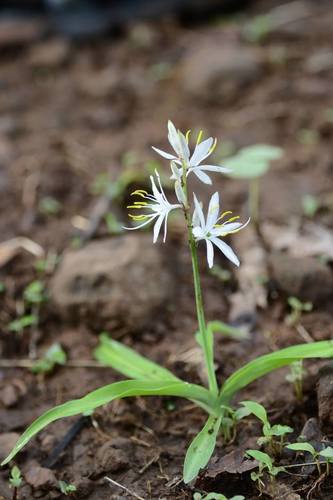
iNaturalist· cc-by-nc
(c) Rachel S., some rights reserved (CC BY-NC)
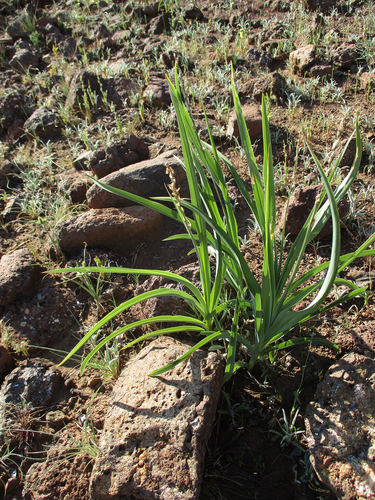
iNaturalist· cc-by-nc
(c) Rachel S., some rights reserved (CC BY-NC)
Summary
Chlorogalum parviflorum is a bulb growing to 0.6 m tall and 0.2 m wide, hardy to UK zone 8. It flowers May to June with hermaphroditic flowers pollinated by insects. Tolerates light sandy, medium loamy, and heavy clay soils with good drainage across mildly acid, neutral, and basic pH levels. It grows in semi-shade to full sun and adapts to dry or moist conditions.
Description
Chlorogalum parviflorum is a bulb growing to 0.6 m tall and 0.2 m wide, hardy to UK zone 8. It flowers May to June with hermaphroditic flowers pollinated by insects. Tolerates light sandy, medium loamy, and heavy clay soils with good drainage across mildly acid, neutral, and basic pH levels. It grows in semi-shade to full sun and adapts to dry or moist conditions.
Edible Uses
The bulb is edible when cooked — slow baking will remove any soapiness in the flavour. Bulbs can be very large, reaching up to 7cm in diameter.
Medicinal Uses
No medicinal uses are known for this plant.
Known Hazards
The bulb contains saponins. Although fairly toxic, these substances are very poorly absorbed by the body and most of them simply pass straight through. Saponins are found in a number of common foods, including many beans. They are destroyed by thorough cooking. Saponins are much more toxic to some creatures, such as fish, and hunting tribes have traditionally put large quantities of them in streams, lakes etc in order to stupefy or kill the fish.
Distribution
It is a temeperate plant.
Where It Grows
North America, USA,
Cultivation
Succeeds in any reasonably good well-drained soil. Prefers a rich well-drained moisture retentive soil. Tolerates partial shade. Dislikes dry soils according to one report but plants grow in dry soils in the wild. Plants are frost hardy but they come into new growth in the autumn and so need to be grown in a warm sheltered position, especially in colder areas of the country.
Propagation
Seed should be sown in spring or summer, just 2mm deep in a peat and sand mix. Germination usually occurs within 1–6 months at 15°C but can be slow and erratic. Sow thinly so seedlings need no thinning, and grow them on in the pot through their first year with occasional liquid feeds to prevent mineral deficiency. When dormant, pot up three young bulbs per pot and grow on for at least two more years before planting out in spring. Offsets can be divided when the bulb dies down in late summer. Larger offsets can go directly into permanent positions, but smaller ones are best potted and grown on for at least a year under glass first.
Other Uses
No other uses are known for this plant.
Notes
Also put in the family Hyacinthaceae.
Synonyms
References (2)
- Beckstrom-Sternberg, Stephen M., and James A. Duke. "The Foodplant Database." http://probe.nalusda.gov:8300/cgi-bin/browse/foodplantdb.(ACEDB version 4.0 - data version July 1994) (As Laothoe parviflora)
- Plants for a Future database, The Field, Penpol, Lostwithiel, Cornwall, PL22 0NG, UK. http://www.scs.leeds.ac.uk/pfaf/