Ophiopogon intermedius
D. Don
iNaturalist· cc-by-nc
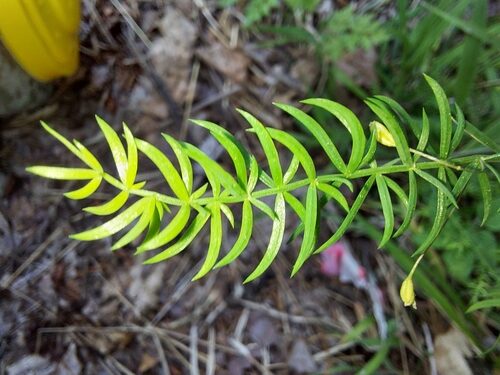
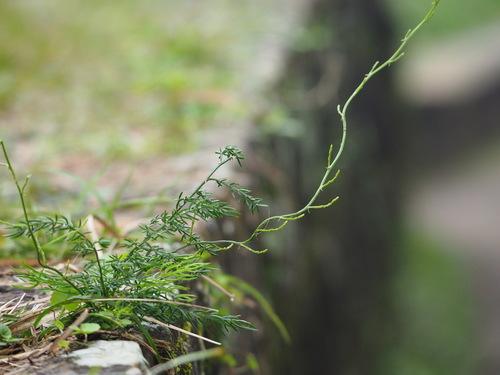
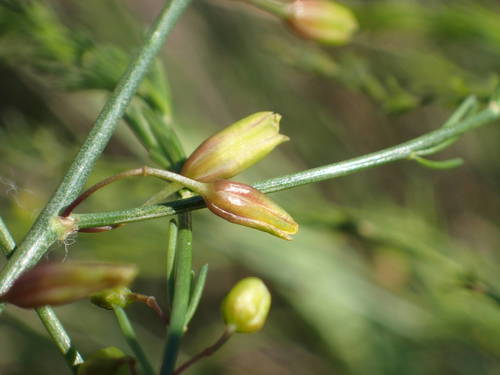
(c) connk, some rights reserved (CC BY-NC), uploaded by connk
iNaturalist· cc-by-nc
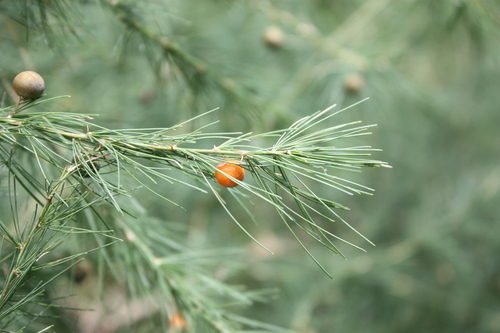
(c) 林棋欽, some rights reserved (CC BY-NC), uploaded by 林棋欽
iNaturalist· cc-by-nc
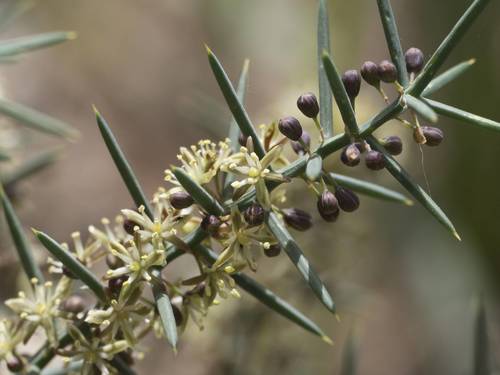
(c) jessie-diver, some rights reserved (CC BY-NC)
Description
A herb. The roots can be fleshy. There is a short thick rhizome. The leaves are at the base and in tufts. They do not have leaf stalks and are like grass leaves. They are 15-55 cm long by 2-15 mm wide. There are teeth along the edge. The flower stalk is 20-50 cm tall and there are many flowers in a small panicle. The flowers are in clusters or 2 or 3 and they are white or purplish.
Edible Uses
The ripe fruit and tubers are eaten raw.
Traditional Uses
The ripe fruit are eaten raw. The tubers are eaten raw.
This uses section is brief — help expand it
Distribution
It is a tropical plant. It grows in evergreen broad-leaved forests and bamboo forests in moist shady places between 700-3,000 m above sea level. In Sichuan and Yunnan.
Where It Grows
Asia, Bangladesh, Bhutan, Himalayas, India, Indochina, Myanmar, Nepal, Northeastern India, SE Asia, Sikkim, Sri Lanka, Taiwan, Thailand, Tibet, Vietnam,
Synonyms
Also Known As
Domseu, Ovopishu
References (2)
- Pfoze, N. L., et al, 2012, Survey and assessment of floral diversity on wild edible plants from Senapati district of Manipur, Northeast India. Journal of Biodiversity and Environmental Sciences. 1(6):50-52 (As Ophiopogon wallichianus) NB As in family Haemodoriaceae
- Tsering, J., et al, 2017, Ethnobotanical appraisal on wild edible plants used by the Monpa community of Arunchal Pradesh. Indian Journal of Traditional Knowledge. Vol 16(4), October 2017, pp 626-637