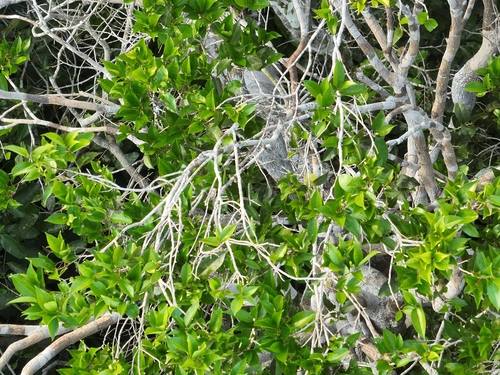
Manilkara jaimiqui
(C. Wright ex Griseb.) Dubard
Jaimiqui, Wild-dilly
iNaturalist· cc-by-nc-sa
(c) Lee Elliott, some rights reserved (CC BY-NC-SA), uploaded by Lee Elliott
iNaturalist· cc-by
(c) Lythronax246, some rights reserved (CC BY)
Summary
Source: WikipediaManilkara jaimiqui, commonly known as wild dilly, is a woody plant in the family Sapotaceae. It is native to tropical regions of North America, where it is found in the West Indies and south Florida. Its natural habitat is areas of coastal hammocks and pine rocklands. It is a small tree or shrub with thick evergreen leaves. It produces small yellow flowers throughout the year, and has large scaly fruits. This species is divided into four well-marked subspecies, which show little geographic overlap. They are: M. jaimiqui subsp. emarginata - The Bahamas and south Florida M. jaimiqui subsp. haitensis - Dominican Republic and Haiti M. jaimiqui subsp. jaimiqui - Cuba (Pinar del Río and Oriente), and Jamaica M. jaimiqui subsp. wrightiana - Cuba (central area, occasionally in Oriente)
Description
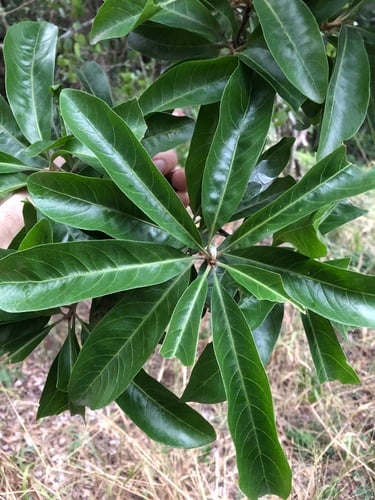
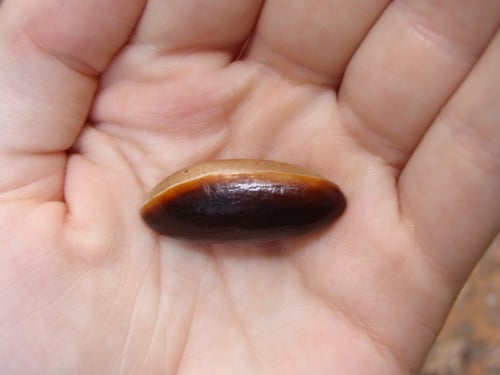
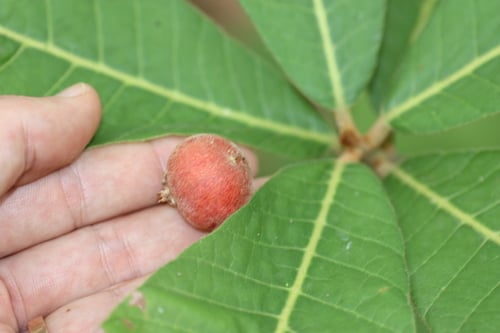
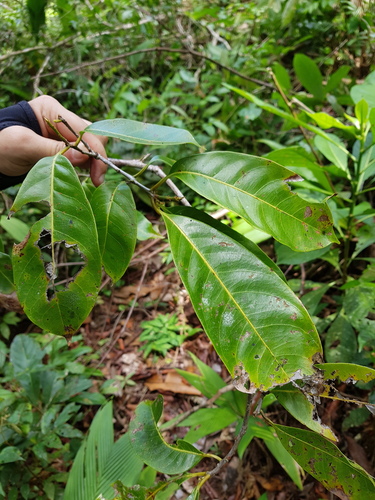
A small tree. It can be 11 m tall. The trunk can be 25 cm across. The leaves are narrowly oval and 8-10 cm long by 3 cm wide. They are rounded at the base. They are thick and leathery. The flowers are at the base of the leaf. They are on slender nodding stalks. The fruit are round and slightly flattened. They are about 3 cm across. The outer layer is thick and brown and scaly.
Edible Uses
The fruit is edible.
Distribution
It is a tropical plant.
Where It Grows
Bahamas, Cuba, Dominican Republic, Haiti, Puerto Rico, USA, West Indies,
Synonyms
References (2)
- Kermath, B. M., et al, 2014, Food Plants in the Americas: A survey of the domesticated, cultivated and wild plants used for Human food in North, Central and South America and the Caribbean. On line draft. p 521
- Little, E. L., et al, 1974, Trees of Puerto Rico and the Virgin Islands. USDA Handbook 449. Forestry Service. p 788