Pouteria polysepala
T. D. Penn.
gbif· cc-by-nc
Field Museum of Natural History - Botany Department | GDI 2013-2015
gbif· cc-by-nc
Rapid Reference Collection (RRC) | Field Museum of Natural History - Keller Science Action Center
Summary
Source: WikipediaPouteria polysepala is a rare species of plant in the family Sapotaceae. It is endemic to Brazil. It is threatened by habitat loss and is considered Critically Endangered (CR). It is known to reside only upon large trees in a forest that is not experiencing heavy flooding. The only known occurrence of Pouteria polysepala is at the mouth of the Rio Javari.
Description
A tree. The young shoots have fine hairs. The leaves are in dense clusters and are arranged in spirals. The leaves are 11-20 cm long by 5-8 cm wide. They are broadly sword shaped. The flowers are in groups of 2-4 and clustered below the leaves. The flowers are white and have a scent. The fruit are 3.5 cm across. The seed is 2 cm long.
Edible Uses
The fruit is edible.
Distribution
It is a tropical plant. It grows in non flooded forest in Brazil.
Where It Grows
Amazon, Bolivia, Brazil, Ecuador, Peru, South America,
Synonyms
Also Known As
Abiorana massa
References (3)
- Daly, D. C., An Index of Common Names of Plants in Acre, Brazil. New York Botanical Garden Universidade Federal do Acre.
- Grandtner, M. M. & Chevrette, J., 2013, Dictionary of Trees, Volume 2: South America: Nomenclature, Taxonomy and Ecology. Academic Press p 528
- Kermath, B. M., et al, 2014, Food Plants in the Americas: A survey of the domesticated, cultivated and wild plants used for Human food in North, Central and South America and the Caribbean. On line draft. p 695
More from Sapotaceae
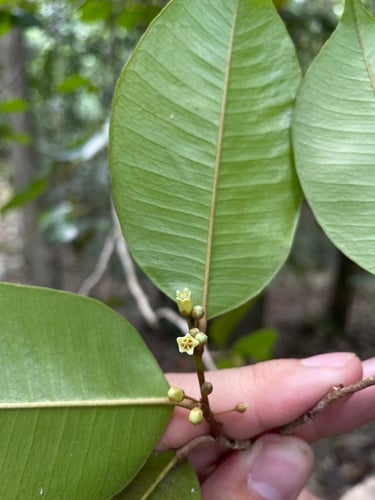
Chrysophyllum argenteum subsp. auratum
Wild starapple
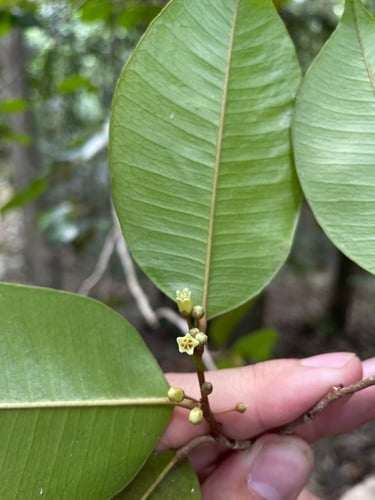
Chrysophyllum argenteum subsp. ferrugineum
Rusty wild star apple
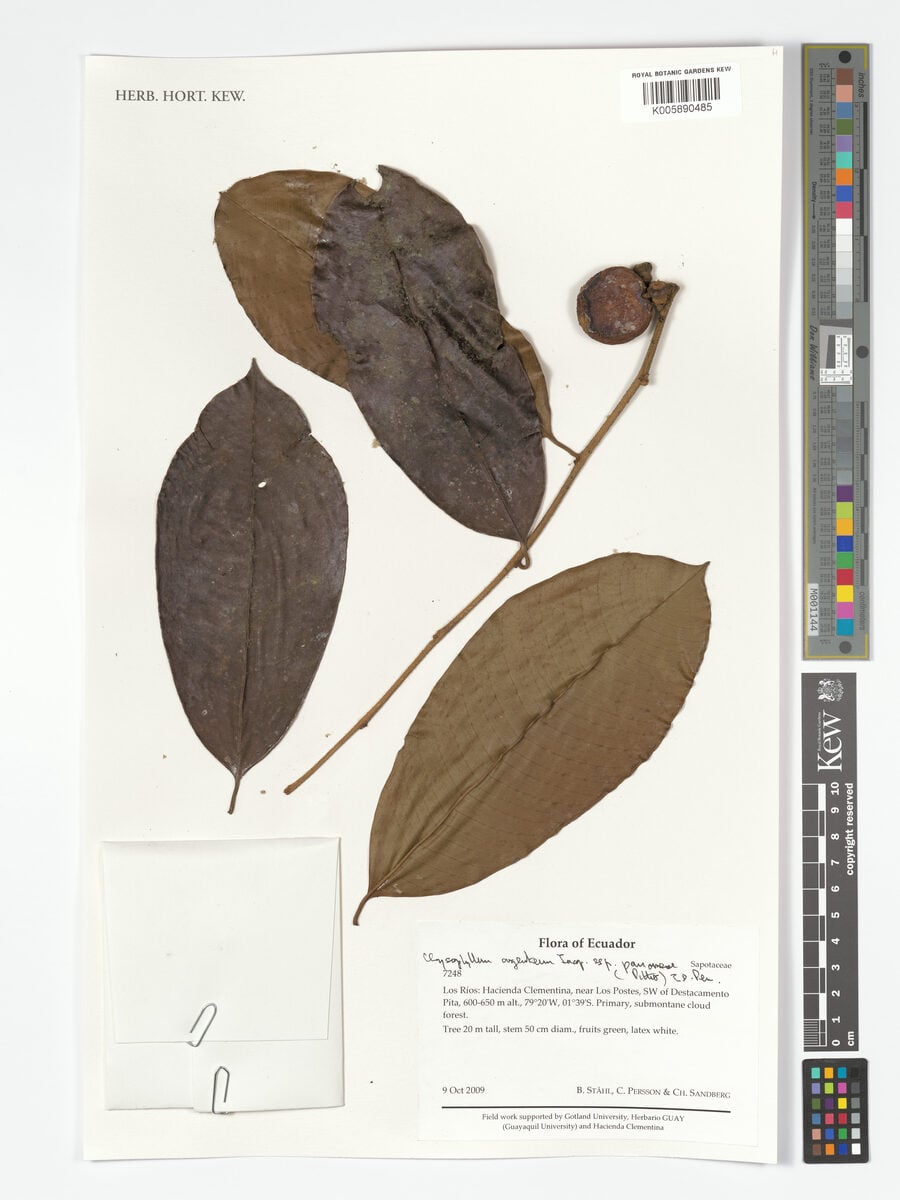
Chrysophyllum argenteum subsp. panamense
Panama wild star apple
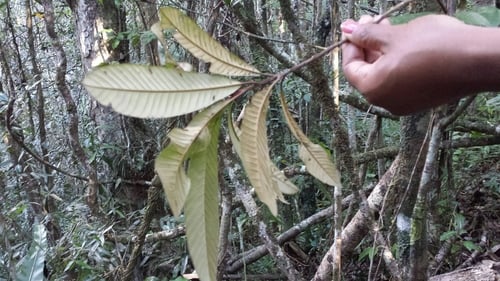
Chrysophyllum boivinianum
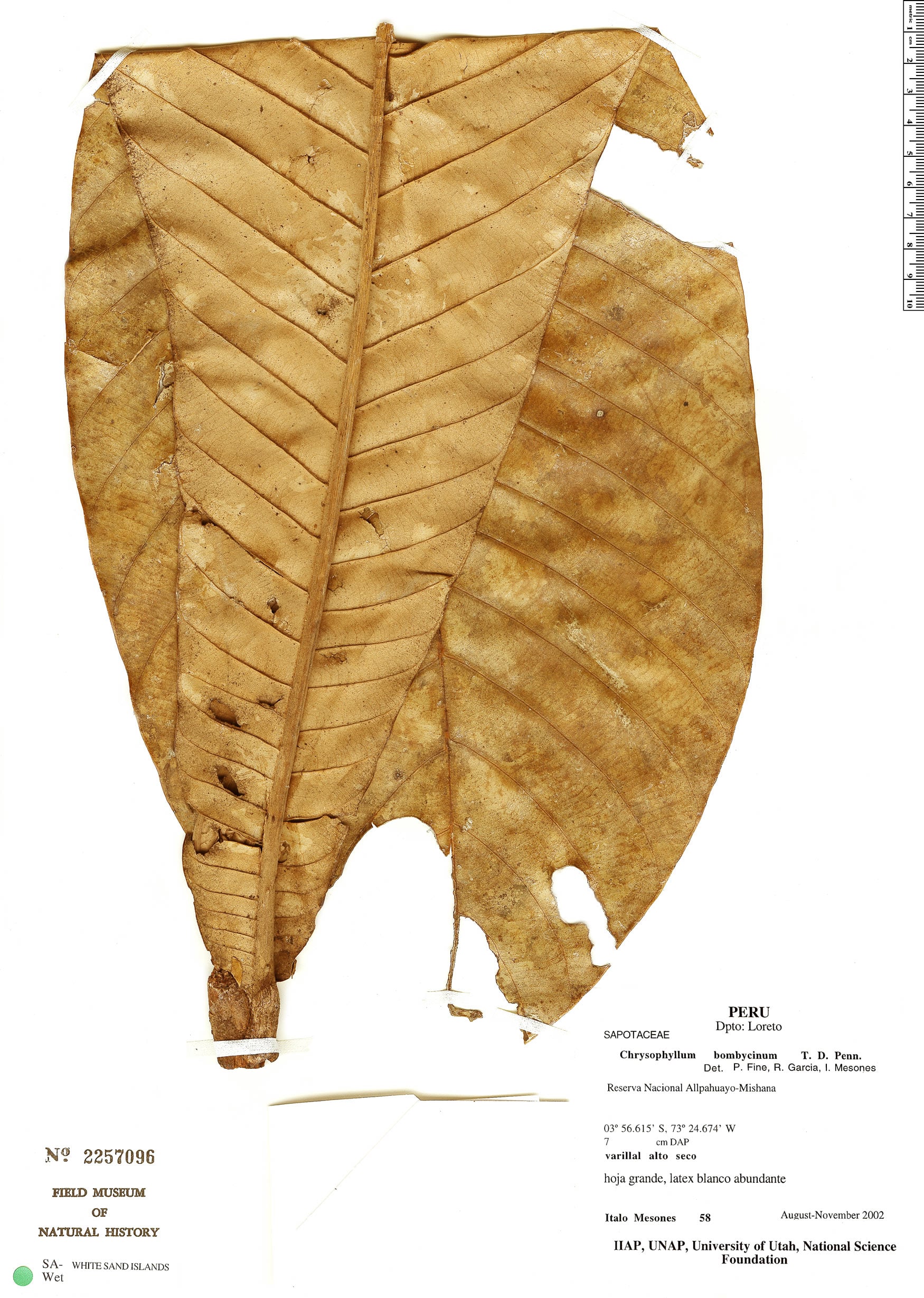
Chrysophyllum bombycinum
Silky starapple
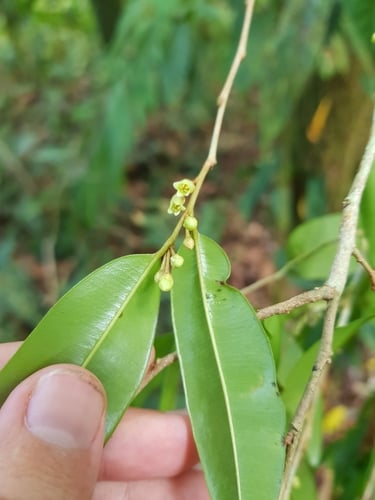
Chrysophyllum brenesii
Zuli krie, Brenes starapple