Wendlandia budleioides
Wall. ex Wight & Arn.
gbif· cc0
GBIF
gbif· cc0
GBIF
gbif· cc0
GBIF
Description
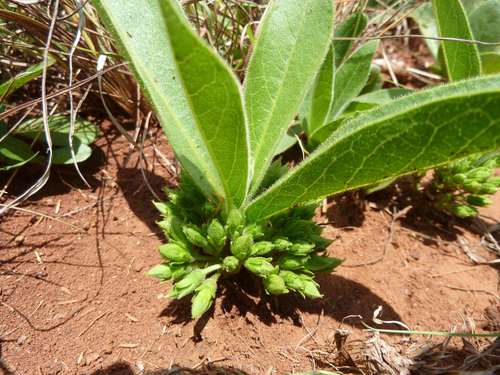
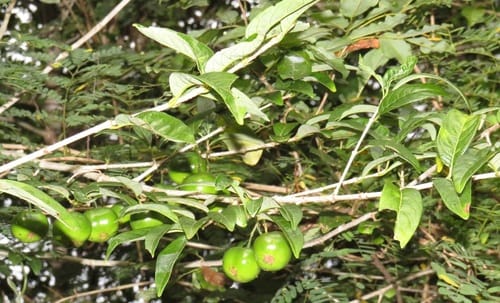
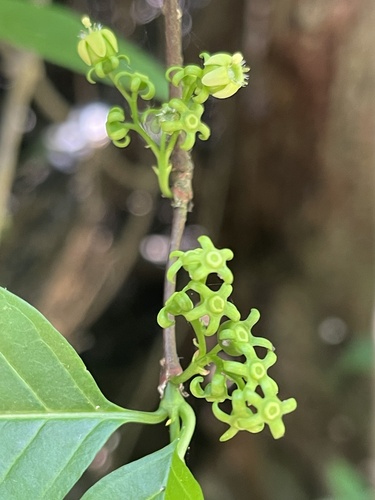
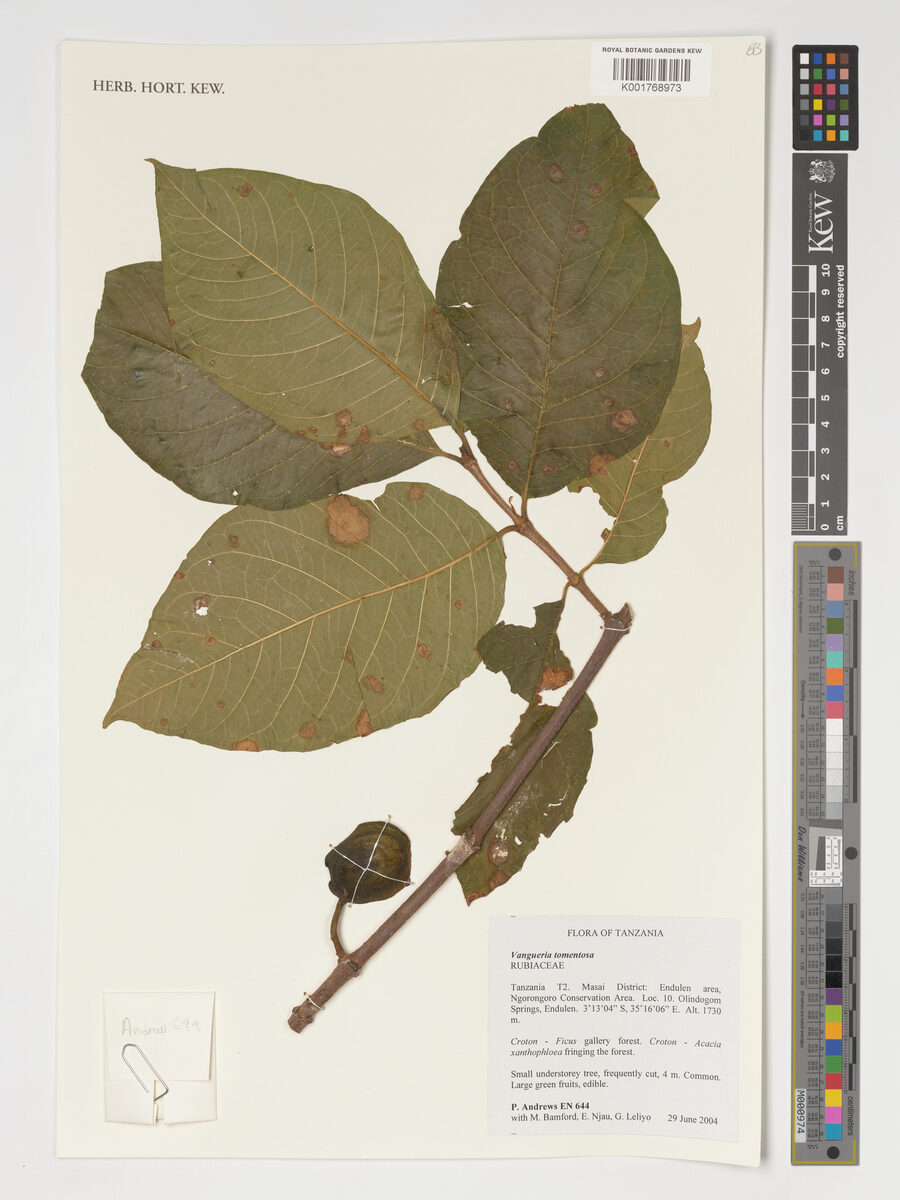
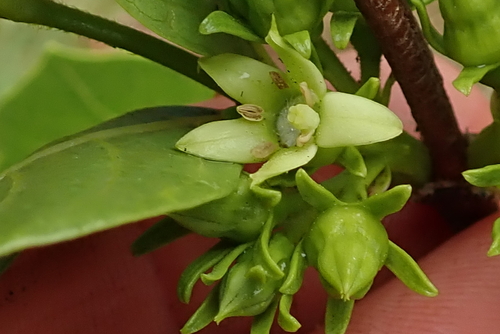
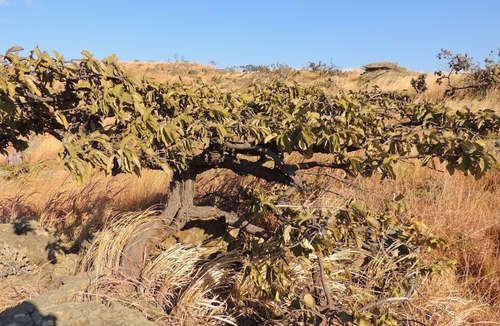
A shrub or small tree. It grows 2-14 m tall. The small branches are red brown. The young branches have small hairs. The leaves are opposite and broadly oval. They are 14-24 cm long by 6-11 cm wide. The flowers are congested on secondary branches. They are 20-28 cm long by 14-24 cm wide.
Edible Uses
The flowers are fried and eaten, and the young leaves are used in salads.
Traditional Uses
The flowers are fried and eaten. The young leaves are used in salads.
This uses section is brief — help expand it
Distribution
It is a tropical plant.
Where It Grows
Asia, India, Myanmar, Northeastern India, SE Asia,
Production
In India plants flower February to April.
Synonyms
Wendlandia grandis (Hook.f.) Cowan [Illegitimate]Wendlandia tinctoria var. grandis Hook.f.
Also Known As
Ba-tling, Thit-ne
References (3)
- Kar, A., et al, 2013, Wild Edible Plant Resources used by the Mizos of Mizoram, India. Kathmandu University Journal of Science, Engineering and Technology. Vol. 9, No. 1, July, 2013, 106-126 (As Wendlandia grandis)
- Khodram,S. D., et al, 2019, Local knowledge of edible flowers used in Mizoram. Indian Journal of Traditional Knowledge Vol 18(40 pp 715-723
- Shin, T., et al, 2018, Traditional knowledge of wild edible plants with special emphasis on medicinal uses in Southern Shan State, Myanmar. Journal of Ethnobiology and Ethnomedicine (2018) 14:48